
White Jacobs & Associates is Nationwide
We change lives
in Florida
Located Near You
Click a city below to get started
Don't see your city? We can probably still help!
Schedule your Free Consultation & Analysis
We protect your privacy. Your information is not shared with third parties.
By submitting this form, you agree to receive texts from White Jacobs and Associates. Ongoing communication before, during, and after the program will be initiated by our credit analysts and their assistants. Msg & data rates may apply. Msg frequency varies. Unsubscribe at any time by replying STOP or clicking the unsubscribe link (where available). Privacy Policy
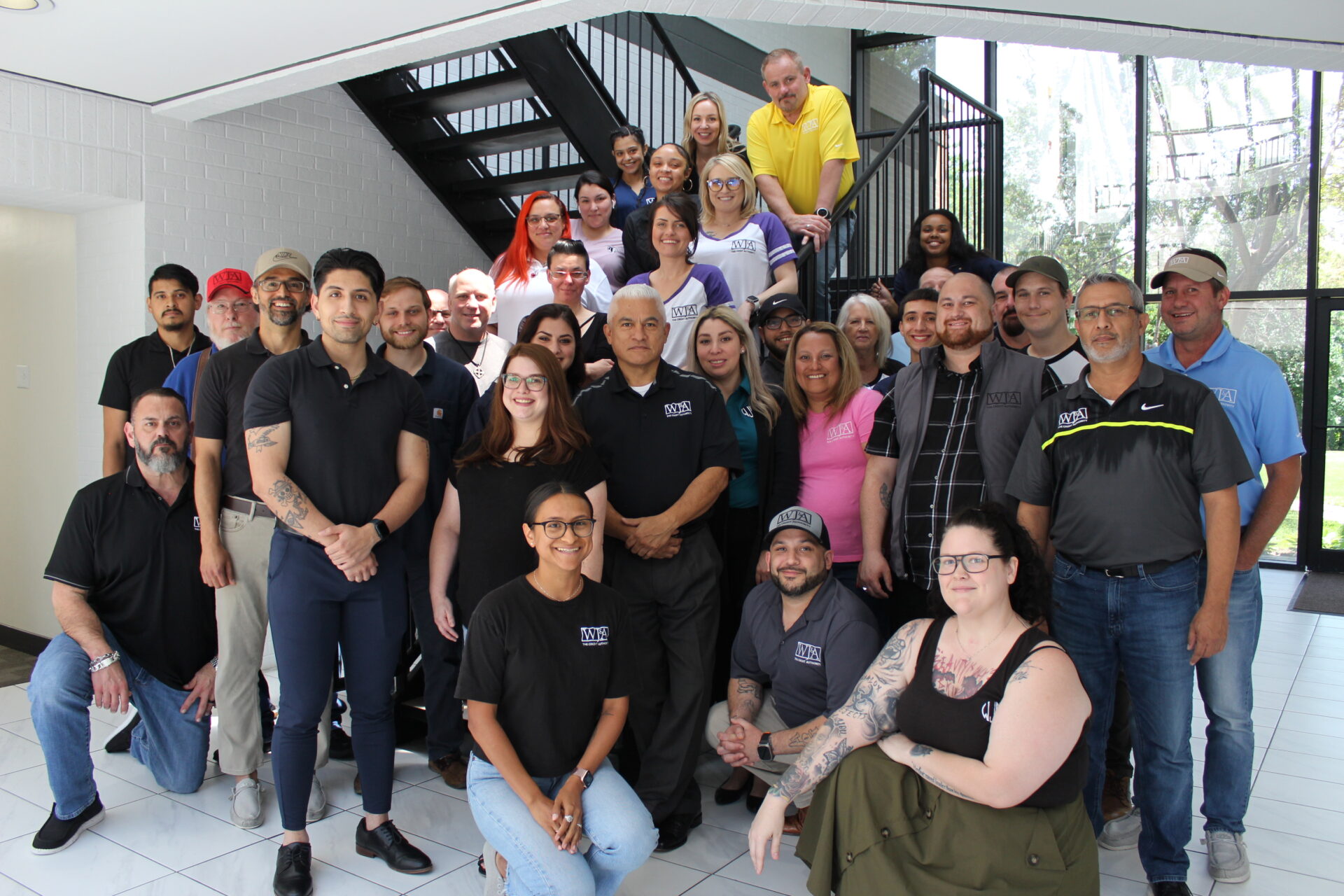
Meet the team
How We're Different
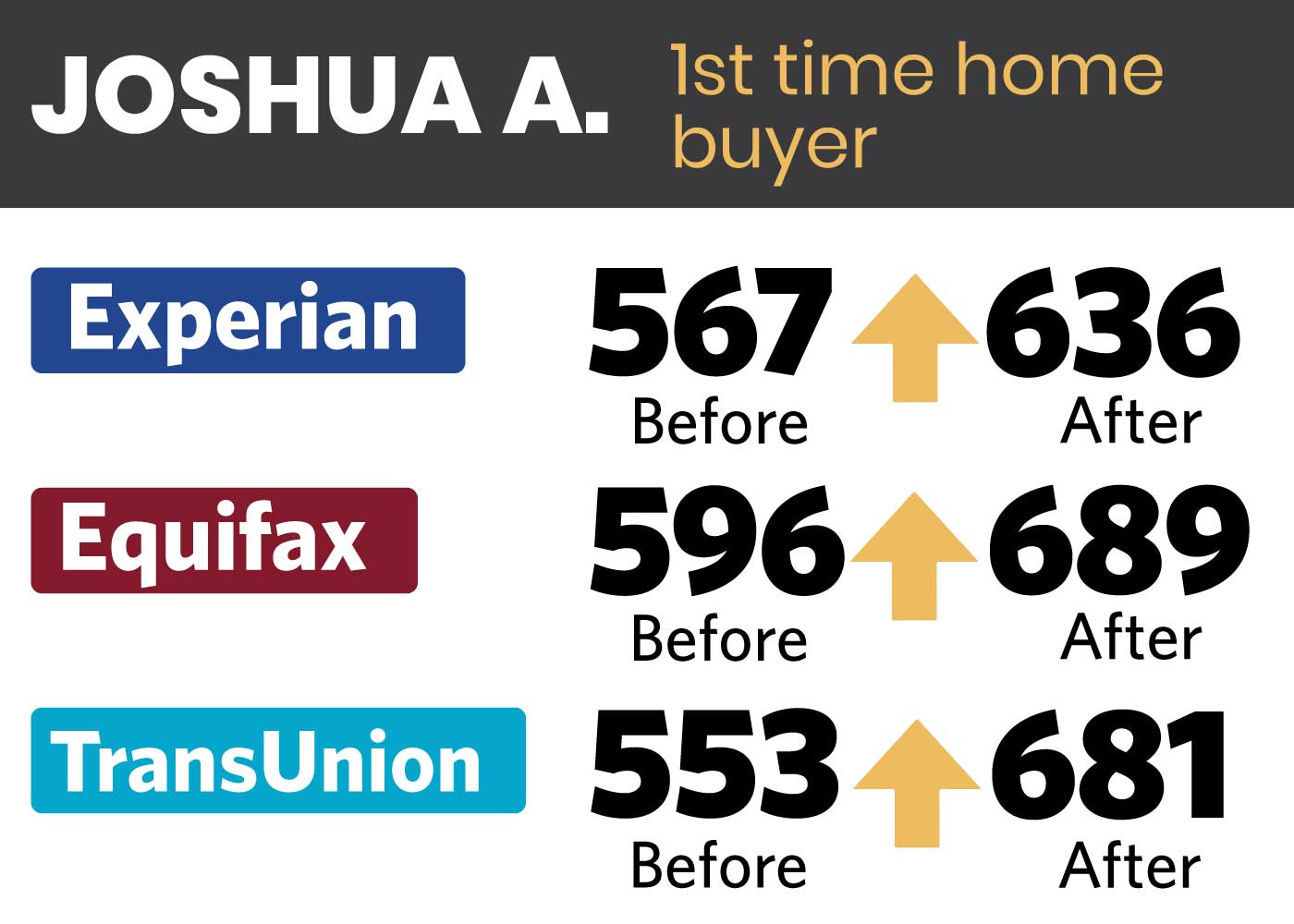
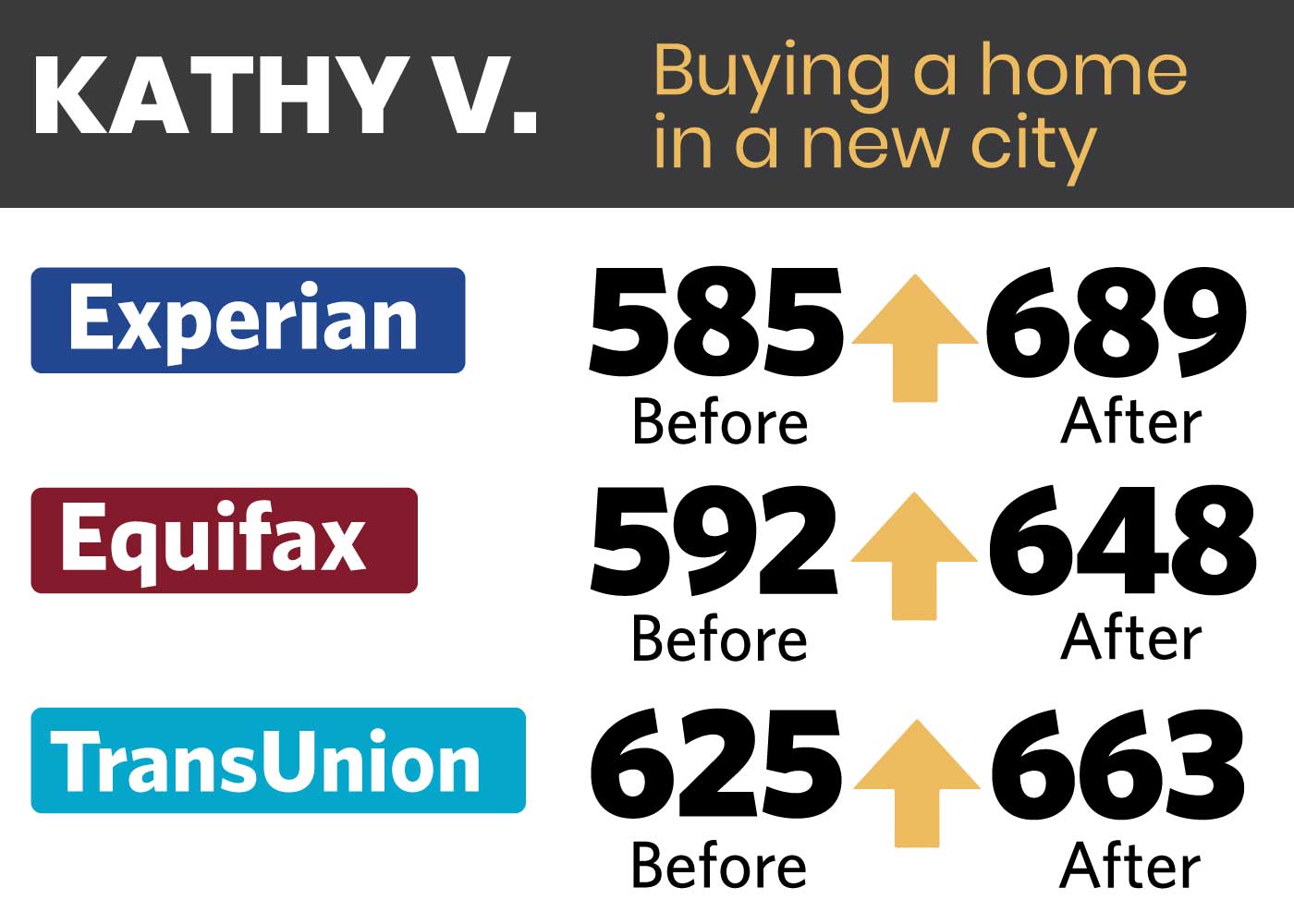
See what our customers are saying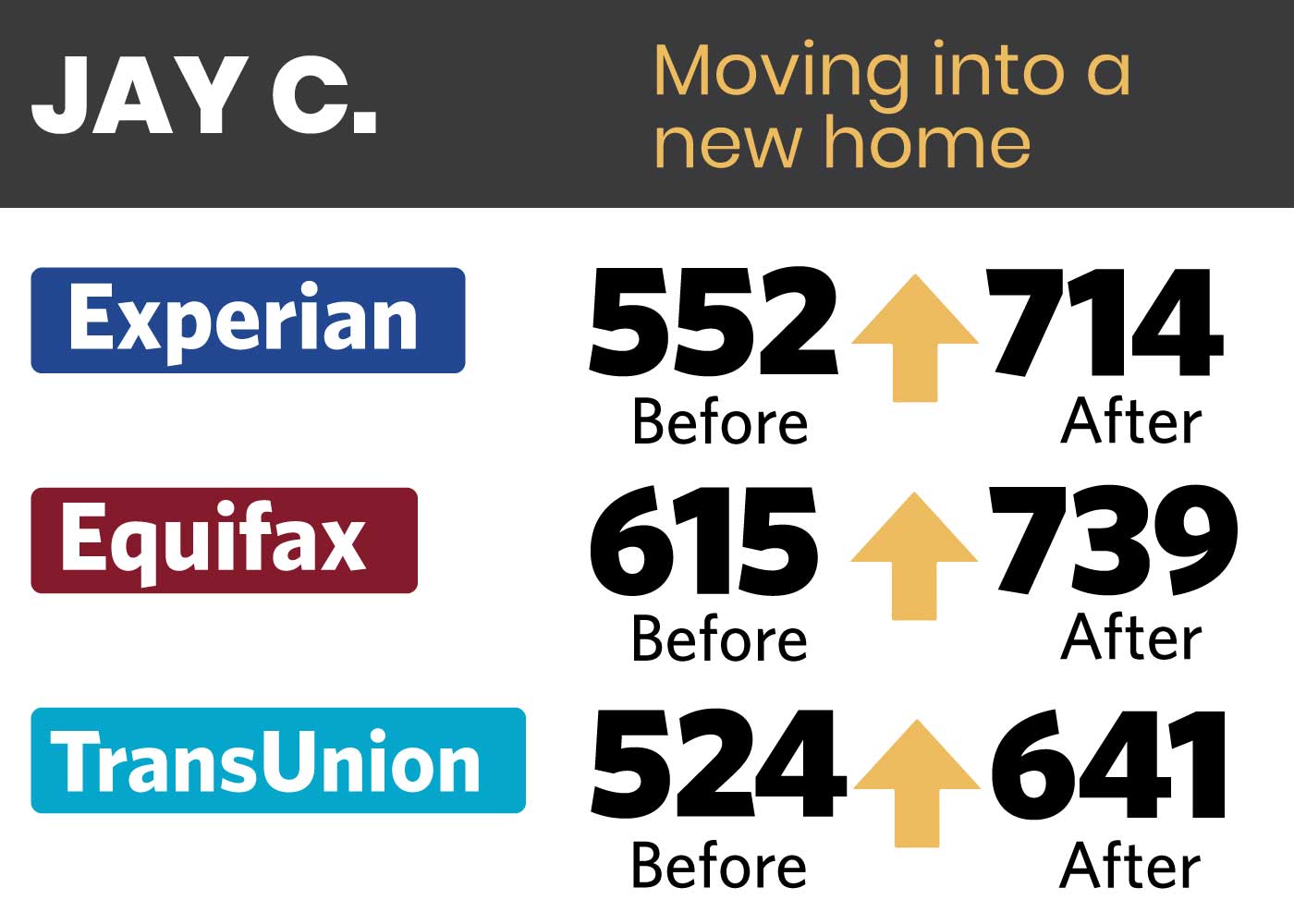
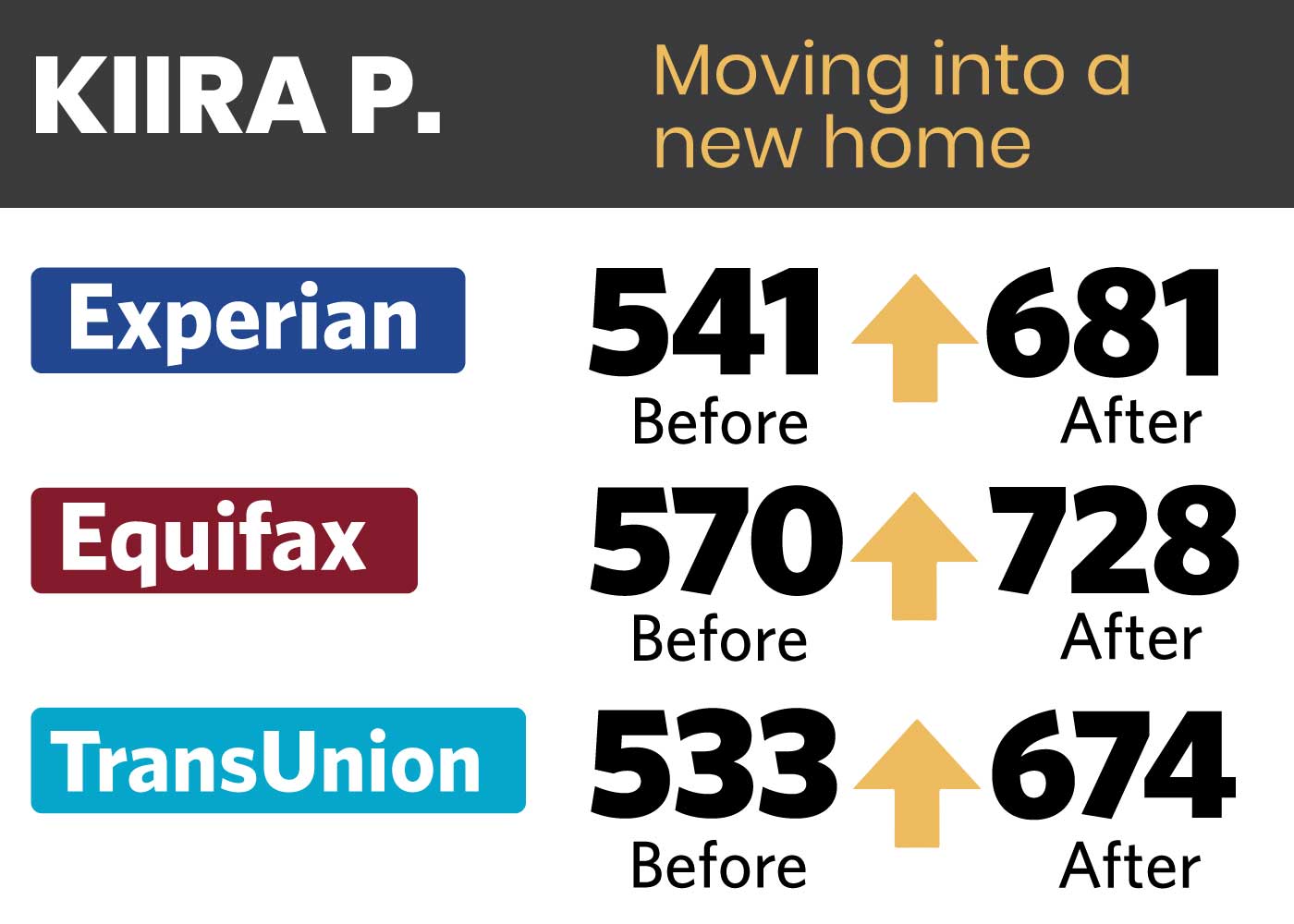
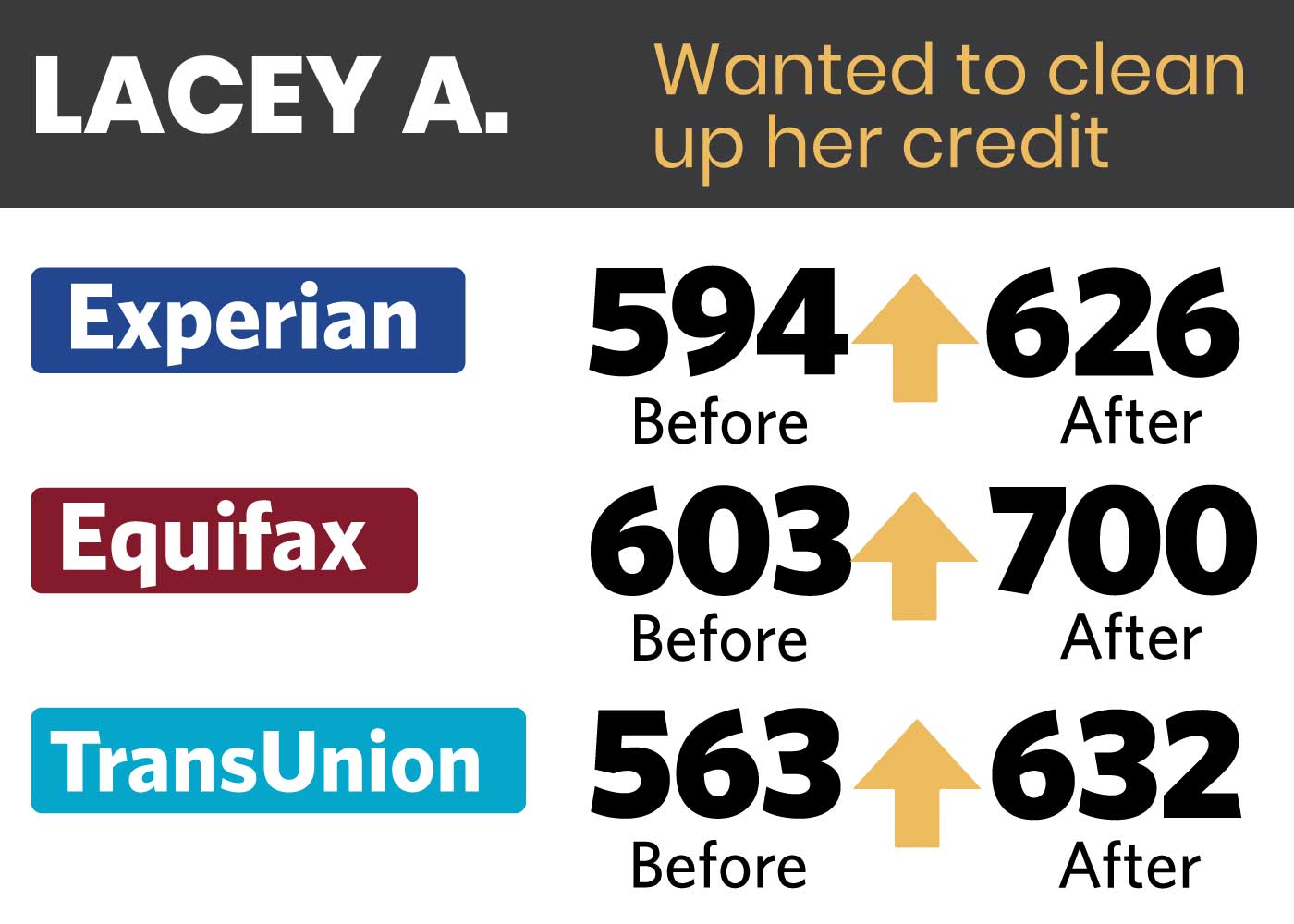
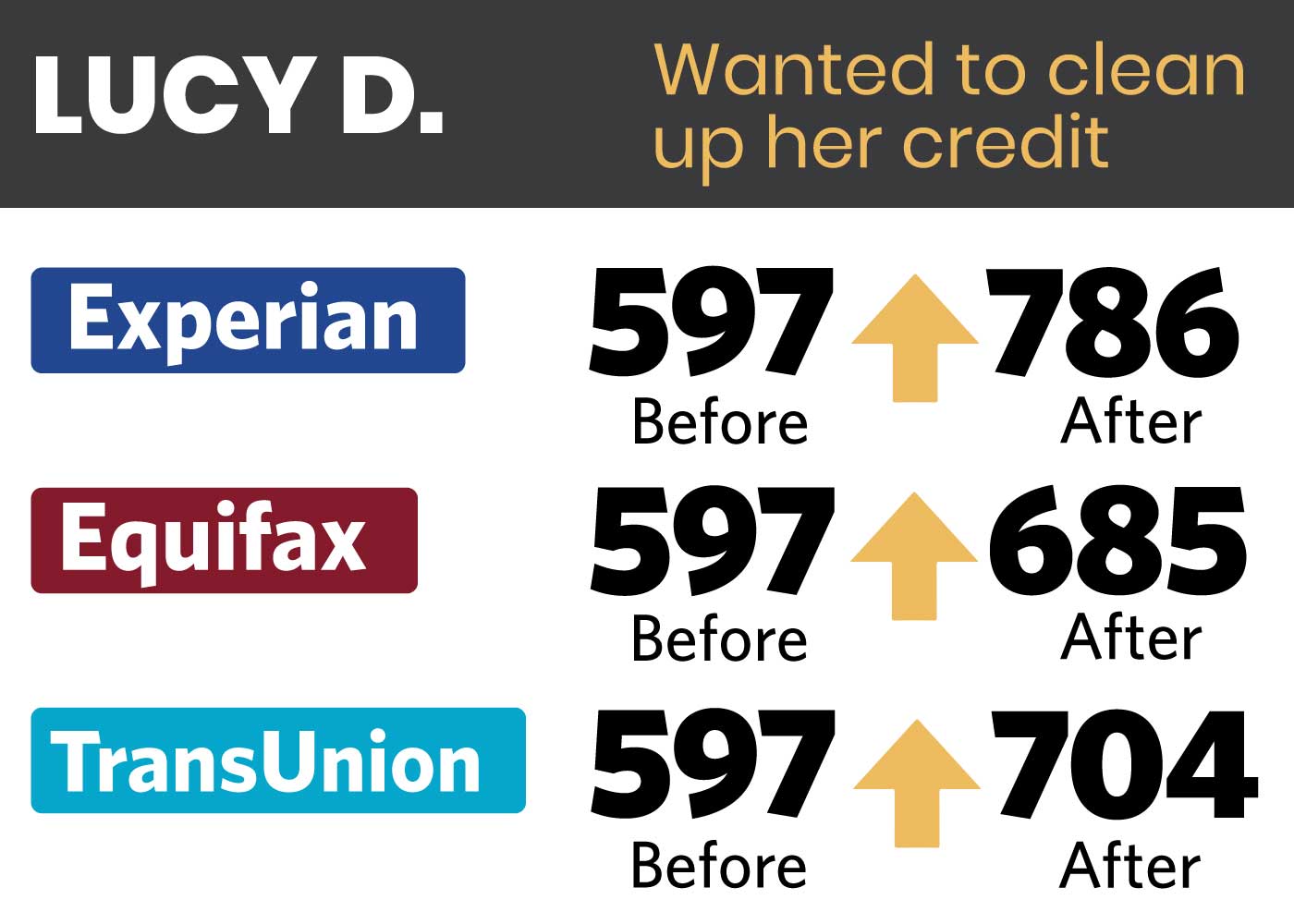
Best Credit Repair Florida
While Florida is known for fun experiences like beaches and theme parks – dealing with bad credit is far from fun. Quite the opposite in fact. Your credit score continues to be a critical part of your overall financial picture. Anything less than a score in the 700s is not maximizing your buying power. Banks, mortgage companies, car dealerships, and even employers use your credit score as a metric to understand your “riskiness” as a consumer. Residents of Florida want to get approved to buy (or refinance) homes. They also want the best interest rates available. If you find yourself with sub-par credit, White Jacobs and Associates is an excellent option — it’s the credit repair Florida deserves.
We provide the very best credit restoration services to residents in all cities throughout Florida.
- Miami
- Tampa
- Orlando
- Jacksonville
- Fort Lauderdale
- Tallahassee
- St. Petersburg
- Port St. Lucie
- Cape Coral
- Hialeah
- and other surrounding cities.
If you’re curious about what we do, please read on.
Credit Repair in Florida Done Right
Our company exists because we were tired of the ineffective methods of traditional credit repair companies. The mission here at White, Jacobs and Associates is to change your life through credit. We do that through our innovative credit repair process and the personal guidance of your credit analyst that will coach you through your journey. More on our investigative research team and our partnered attorneys in a bit.
Creditors love when they can charge you a higher interest rate. They use your credit score as a justification to do just that. Maximizing your credit score can save you a tremendous amount of money in the long term. As an example, buying a home with a lower interest rate can save you tens of thousands of dollars in interest. Wouldn’t you want your credit to be the absolute best it can be?
The process we use to repair credit produces results because we’ve been doing this for a long time. Experience alone isn’t enough though. We intentionally refine our techniques because credit reporting is ever-changing. We see credit reports with late payments, collections, charged-off accounts, bankruptcies, fraudulent accounts, incorrect profile information, identity theft, and much more. We understand how creditors and credit bureaus communicate with consumers. These superpowers come together for a credit restoration system that other traditional companies cannot compete with.
How Long Does It Take to Get Started?
The first step is having a short conversation about your situation. One of our friendly credit analysts will ask you a few questions and explain how the program works. Assuming you’re a good fit (not everyone is), you will be presented with reasonable expectations about the results we believe we can achieve. You will also be given some simple instructions to follow. That’s it. The road to improved credit and financial power begins with a phone call.
If you’re feeling a bit hesitant to share the details of your credit situation, don’t worry – you’re not alone. It’s not comfortable to talk about bad credit. But it’s necessary. Moving forward starts with knowing where you are. To maximize results, we need to know as many details as possible. We will need your help with that.
That being said, getting started is easy. Your credit analyst will review your credit reports and come up with a strategy. You’ll have an excellent understanding of what’s on your reports and how it’s impacting your score. At that point, if we feel that you can improve your credit without our help, we’ll coach you on what to do. If we believe you’re a good candidate for our 4-round process, then we’ll need a bit of documentation and get you enrolled.
Is it Legal to do Credit Repair in Florida?
Yes. Credit repair is 100% legal in Florida. Consumer laws are in place to protect you from inaccurate reporting. Here are a couple of them:
- Fair Credit Reporting Act (FCRA)
- Fair and Accurate Credit Transactions Act (FACTA)
- Fair Debt Collection Practices Act (FDCPA)
- Fair Credit Billing Act (FCBA)
- HIPPA laws.
Even though credit repair is legal, most companies do not utilize the full extent of these laws to engage in effective credit restoration.
What do the majority of credit repair companies do? They send generic dispute letters or automated disputes to Experian, Equifax, and TransUnion. These techniques no longer work effectively because the credit bureaus have grown immune to weak communication. Instead of just disputing items with the credit bureaus, we also go to the CREDITOR level. This not only increases the probability that the item will be removed but also dramatically reduces the chances that it will reappear on the credit report (permanent removal is critical).
Why is auditing more powerful?
We verify that your creditors have the right to report the items that are showing up on your credit report. We call it “going straight to the source.” A direct approach is a no-nonsense way to faster outcomes. The outcome we want is the permanent deletion of as many negative and inaccurate items (on all 3 of your reports) as possible.
Can I Repair Credit Myself?
Absolutely you can. You are legally allowed to dispute the items that appear on your credit history. Many of our clients have attempted this themselves. Needless to say, it usually does not produce significant results.
More than likely, you do not have years of experience in managing the “stall tactic” responses sent by the organizations that are responsible for the items listed on your credit report.
But we do.
Selecting a seasoned team (that’s us) considerably boosts your chances for great results. On that note – we’re not just approaching credit repair from the obvious angle (eliminating derogatory accounts). We approach restoration in TWO ways. In addition to deleting negative credit, we also show you how to add POSITIVE credit! Your credit analyst will show you how to increase positive credit with some of the best resources available on the market.
We trust that you see the value in teaming up with us. Going “solo” is completely up to you. If that’s what you decide, we wish you the best. At the very least, we’d suggest talking to us so we can give you a few pointers.
A Better Kind of Credit Repair in Florida
The WJA Team is not your average credit repair company. And there’s a very good reason we’re not average.
We started our business in 2013 because we knew there had to be a better way to do credit restoration.
Our founders were fed up with inefficient credit repair agencies (and individuals that claim to be “experts”) offering services that did not produce satisfactory results. The crazy thing is that is still happening! Most of these companies just send out a few generic disputes per month. Their pricing is usually 50 to 200 dollars every month. Sadly, the results are comparable to the cost. The old adage is true. You get what you pay for.
You continue shelling out the monthly fee, and they continue sending out disputes. This goes on for months, or years until you come to terms with the fact that your credit report hasn’t changed much. In the long run, it’s very expensive.
That’s why made a decision to prove to people that high-quality credit repair is a viable option if you need to buy a home, refinance, or make any other major financial move. We offer the best credit repair in Florida. We have an unconventional (and a bit avant-garde) research team that scrutinizes each account with trained eyes in each of the four (4) rounds of our process. Additionally, we’re partnered with an experienced attorney (feel free to ask for the name of our current attorney) who backs our communication in the 3rd round and the 4th (and final) round of our program.
We tailor the work performed for each client because every situation requires a practiced hand. Once the strategy is set, we begin our campaign with creditors as aggressively as we can within the boundaries of the law.
You’ll be please to know that our credit repair services are not “ongoing” like traditional companies. Due to our aggressive methods, it’s typical to start seeing results within 45-60 days. The maximum length of our program is 6 months.
Our Process
As mentioned before, our process involves 3 components: your personal credit analyst, our investigative research team, and our partnered attorney that specializes in consumer law.
From the start (Round 1), we waste no time pursuing every negative or incorrect item that pertains to your file. At that point, please be aware that creditors and collection agencies will contact you to attempt to validate the accounts. You can expect phone calls from both. We suggest asking them to send any communication by postal mail.
Round 1 and Round 2 are designed to interface on your behalf. Our audits are unique because we reach out to the creditors themselves, urging them to show us proof that they’re legally allowed to report these items on your credit. Oftentimes, they cannot provide this proof. We leverage their lack of diligence. We live by the saying, “Persistence wears out resistance.”
Get Credit Help with WJA Today
You have financial goals. You want these done sooner than later. Your financial buying power is paramount to getting this done. Speak to one of our friendly and knowledgeable credit analysts to get the ball rolling. Take the first step towards good credit – not only for now – but for the future as well.
Click to rate this post!
[Total: 0 Average: 0]
Top Rated Credit Repair
Florida
Five star reviews
With thousands of happy clients on Google, Facebook, TrustPilot, and more, you won’t find a stronger reputation
Customized Plan
We don't just send out dispute letters like other companies. We customize our approach with personalized audits for maximum results.
One on One
You'll work with the same credit expert for the duration of the program. They will update you, coach you, and answer your questions.
Attorney Managed
Our attorney-managed, 4-round process is personalized for each client by an Investigative Research team, all at a reasonable cost.