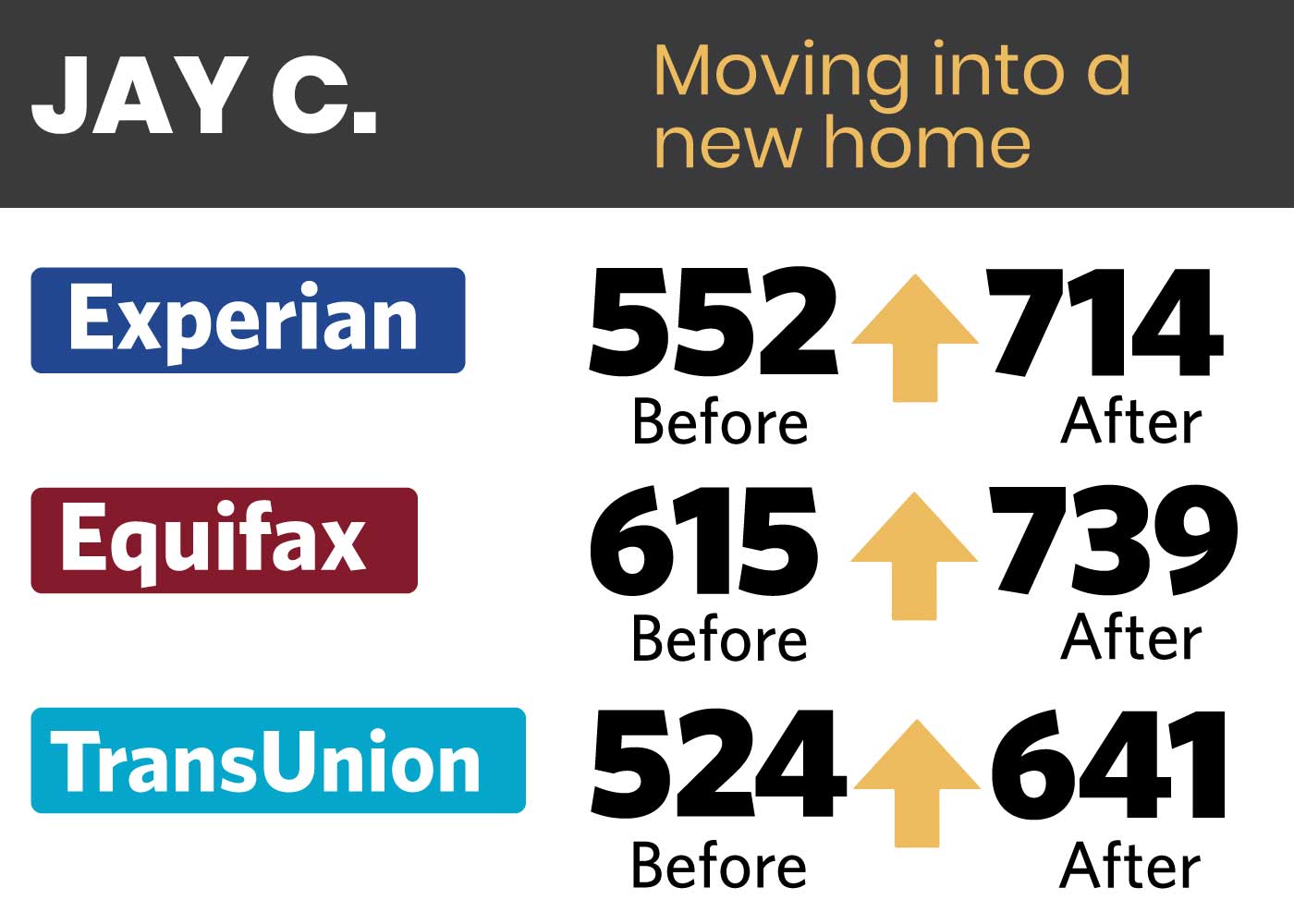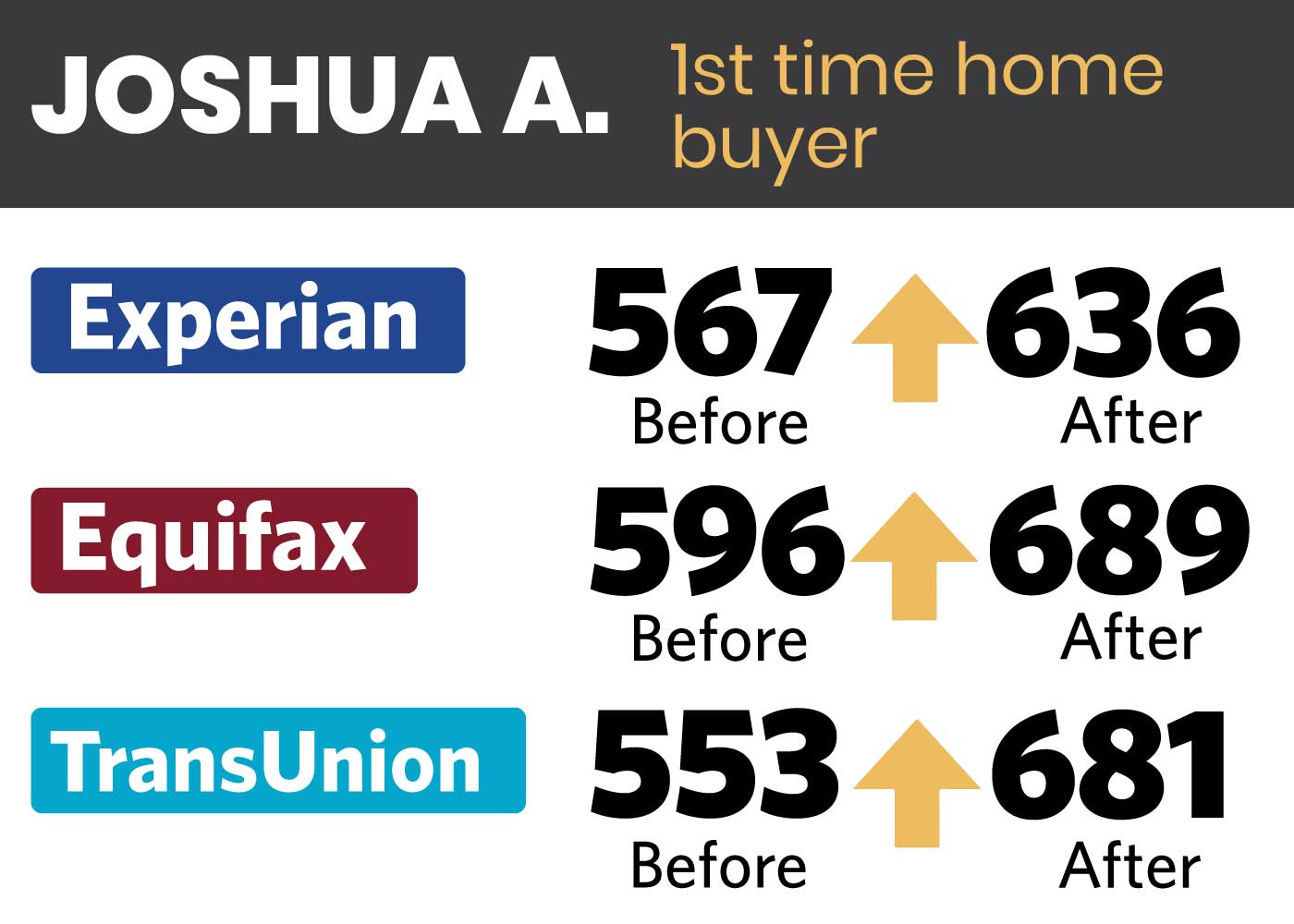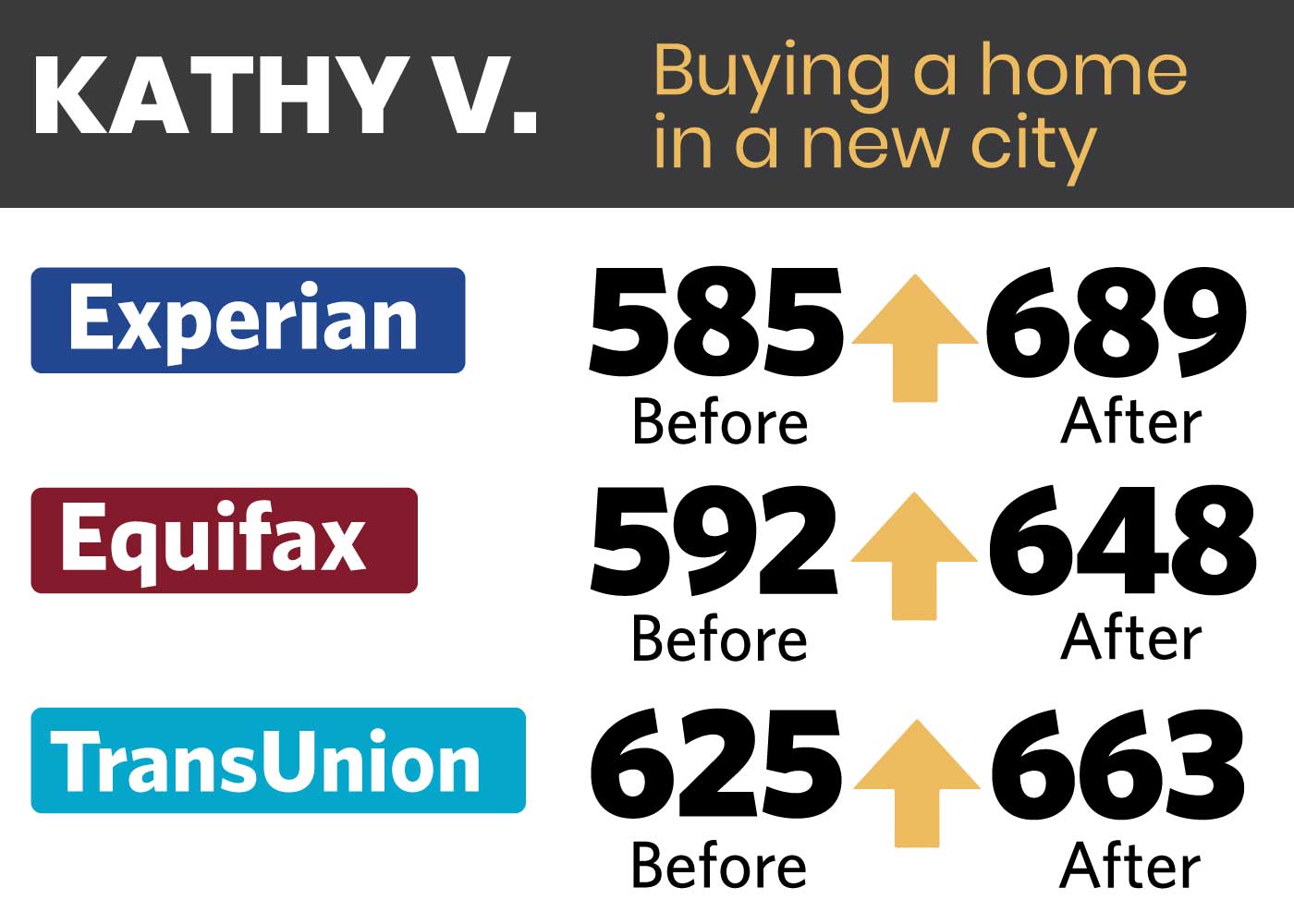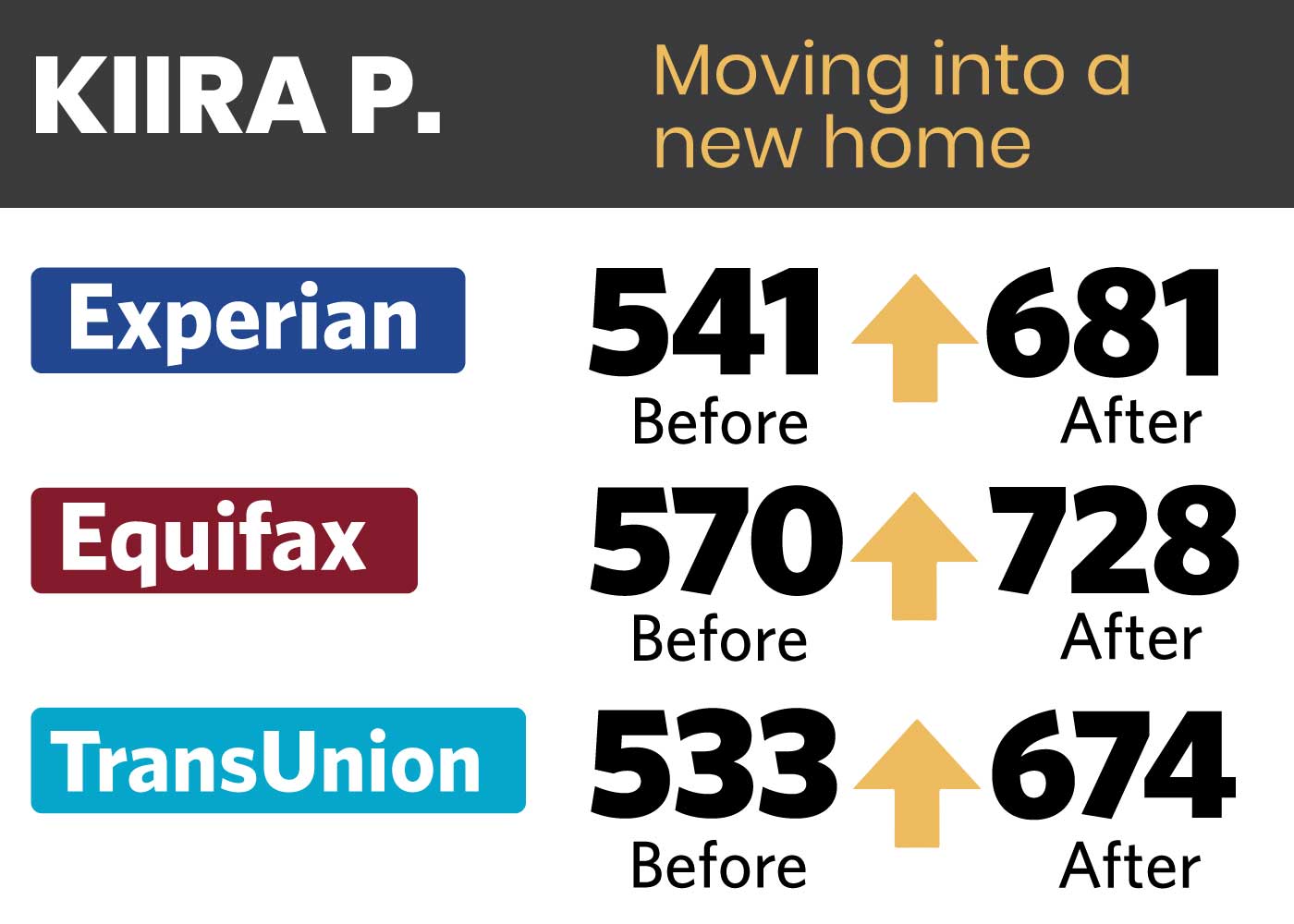
Schedule your Free Consultation & Analysis

We protect your privacy. Your information is not shared with third parties.

  • This field is for validation purposes and should be left unchanged.
  • This field is hidden when viewing the form

By submitting this form, you agree to receive texts from White Jacobs and Associates. Ongoing communication before, during, and after the program will be initiated by our credit analysts and their assistants. Msg & data rates may apply. Msg frequency varies. Unsubscribe at any time by replying STOP or clicking the unsubscribe link (where available). Privacy Policy

We can help with...

  • Charge-Offs
  • Collections
  • Bankruptcy
  • Late Payments
  • Repossessions
  • Foreclosures
  • Student Loans
  • Dispute Code Removal
  • Credit Coaching
  • Re-establishing Credit
  • Debt Settlement

Attorney-Managed Credit Repair

White Jacobs & Associates is an attorney-managed credit restoration and education company based in Plano, TX. We use a structured, 4-round audit process to challenge inaccurate, incomplete, or unverifiable information on your credit reports. The program runs six months or less, and most clients see initial results within 45–60 days.

You’re assigned a dedicated credit analyst from day one — one person who manages your communication, sets expectations, and answers your questions throughout the program. Behind that analyst is an in-house Investigative Research team that reviews your reports manually, builds the strategy for each round, and adjusts the approach based on actual bureau and furnisher responses. The entire process operates under attorney supervision.

Before we go any further: you have the right to dispute credit report information directly with the credit bureaus at no cost. Hiring a company is a choice, and we believe it should be an informed one. Our program is designed for people who want professional-level strategy, escalation, and documentation working on their behalf.

What We Help With

Collections

Collection accounts are among the most common items we address. They’re also among the most frequently misreported. When a debt is sold from the original creditor to a collection agency — and sometimes sold again to a debt buyer — the reporting chain gets messy. Balances don’t match. Dates shift. Documentation gets lost in the transfer. Our Investigative Research team targets these inconsistencies at the Metro 2 field level, challenging the specific data points that don’t align rather than sending a generic “this isn’t mine” dispute.

Charge-offs

A charge-off doesn’t mean the debt is gone. It means the original creditor wrote it off as a loss, and in many cases, the account continues to report negative information every month. The damage compounds over time. Our process examines how charge-offs are being reported across all three bureaus: whether the Account Status code matches the balance, whether the Date of First Delinquency is accurate (this directly affects how long the item stays on your report), and whether the creditor’s reporting aligns with Metro 2 standards.

Late payments

Late payments are reported in tiers (30, 60, 90, 120+ days), and each tier carries increasing weight against your score. They’re also commonly misreported, especially after a loan is transferred to a new servicer or an account is restructured. A late payment reported on the wrong month, or coded at 60 days when it was actually 30, can cost you points you shouldn’t be losing. Our team compares what’s being reported against the data each creditor is required to maintain and challenges the discrepancies.

Repossessions and foreclosures

These events carry significant weight on a credit report, and we won’t pretend otherwise. If a repossession or foreclosure happened and it’s reported accurately, our process can’t remove it. What we can do is examine the reporting accuracy: the dates, the balance, the account status, and whether the information is consistent across all three bureaus. Reporting errors on these accounts are more common than most people realize, and correcting them can affect both your score and the timeline for rebuilding.

Bankruptcy reporting errors

An accurate bankruptcy filing can’t be disputed off your report. It has a legally defined reporting period (7 years for Chapter 13, 10 years for Chapter 7). But accounts that were included in the bankruptcy are frequently reported with incorrect statuses: open balances that should show $0, account statuses that should reflect “included in bankruptcy,” or missing discharge dates. These errors extend the damage beyond what the bankruptcy itself should cause, and they’re disputable.

Identity theft and fraud accounts

Fraudulent accounts, unauthorized inquiries, and mixed-file errors (where someone else’s information appears on your report) require a documentation-first approach and a clear escalation path. Our process identifies every item that shouldn’t be there, builds the dispute with supporting documentation, and escalates through attorney-managed correspondence when the standard process isn’t enough.

Dispute code removal

If you’re in the middle of a mortgage or loan application and your lender says you need to remove dispute remarks from your credit report, our dispute code removal service can typically handle that within 72 hours. This is a separate, specialized service designed for borrowers who are blocked at underwriting.

What Credit Repair Can and Can’t Do

What our process is designed to accomplish

The 4-round process identifies and challenges information on your credit reports that is inaccurate, incomplete, or unverifiable. It escalates strategically — from Metro 2-based accuracy disputes through attorney-managed legal correspondence and ACDV federal compliance demands — to hold credit bureaus and data furnishers accountable to the reporting standards they’re required to follow.

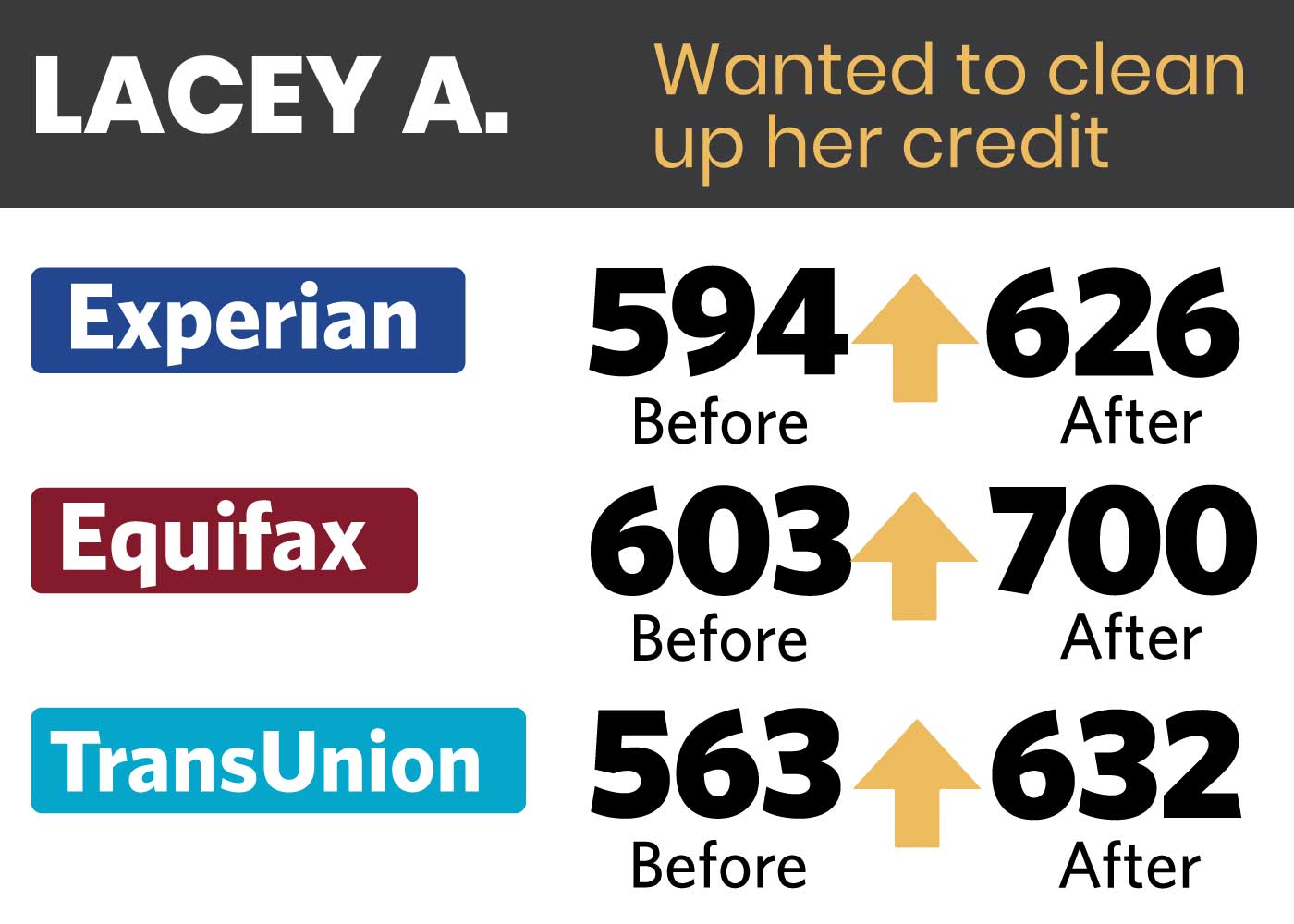
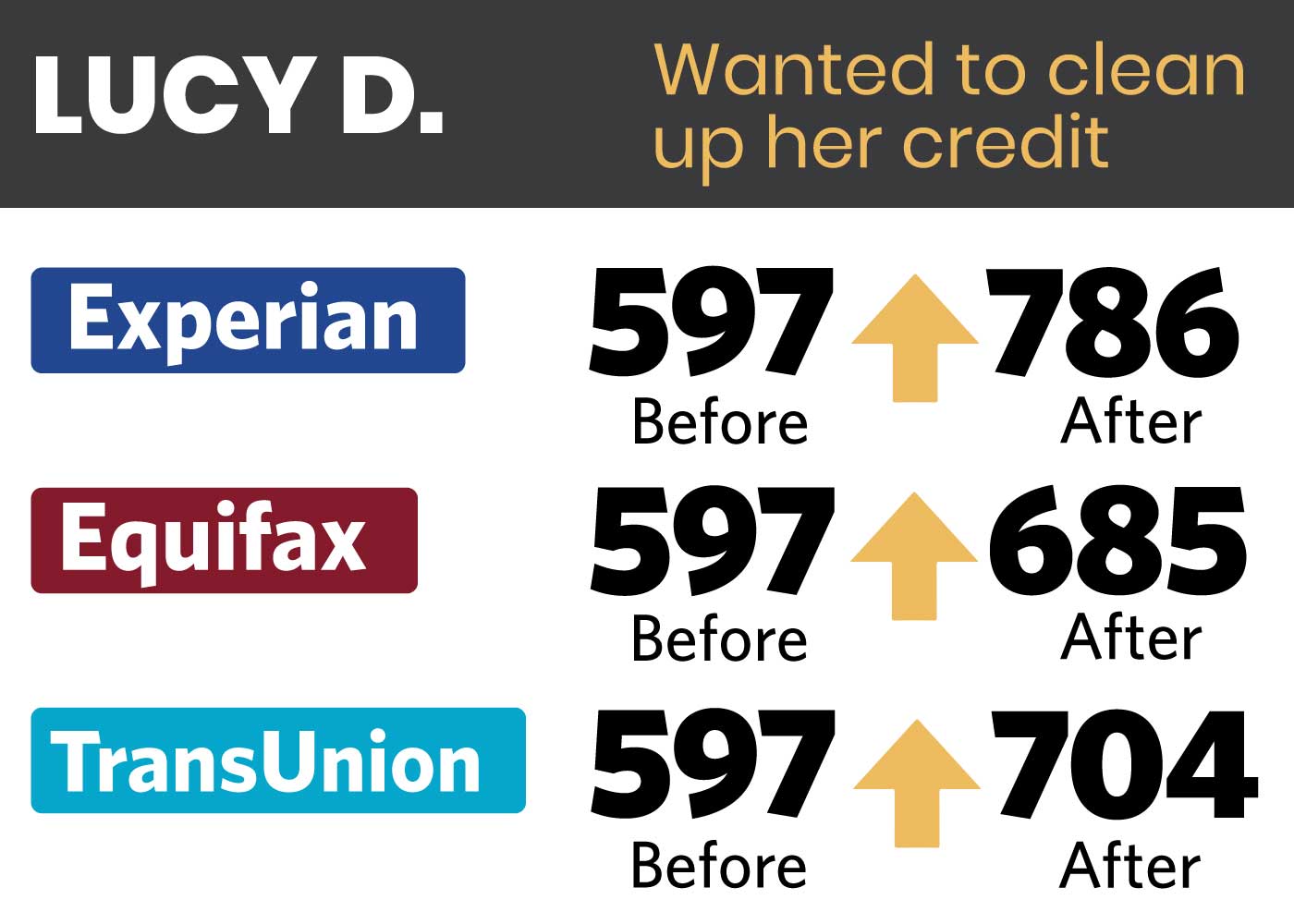
For many clients, that produces deletions, corrections, and meaningful score improvement. The specific results depend on what’s on your report and how the bureaus and furnishers respond, but you can see real examples on our results and reviews page.

What it won’t do

Our process cannot remove accurate, timely negative information that is being properly reported according to Metro 2 standards. If a late payment happened and it’s reported correctly, the bureaus aren’t required to remove it. We won’t tell you otherwise.

We do not guarantee specific credit score outcomes. Scores depend on dozens of factors across multiple scoring models, and no company can ethically promise you a particular number.

White Jacobs & Associates is not a law firm. We are an attorney-managed credit restoration and education company that works with an in-house law firm as part of the process. If your situation requires legal representation beyond what our process provides, we can supply all relevant documentation to your licensed attorney.

How the Program Works

Our 4-round audit process is designed so that each round does something the previous round couldn’t. Here’s the overview.

Round 1: Full-scope Metro 2 audit

The Investigative Research team reviews all three bureau reports by hand — pen and highlighter, line by line. Disputes are built targeting specific Metro 2 data fields: Account Status codes, Date of First Delinquency, Payment Rating values, balance inconsistencies across bureaus. Every dispute is mailed, not filed online, because mailed disputes allow specific factual language, supporting documentation, and a paper trail that preserves your FCRA rights.

Round 2: Targeted follow-up with attorney-written correspondence

The research team analyzes every response from Round 1: what was deleted, what was verified, and how the bureaus and furnishers responded. Items that remain get narrower, more specific disputes based on the patterns the first round revealed — accounts verified suspiciously fast, responses that don’t address the actual issue raised, inconsistencies between what one bureau says versus another. This is also where attorney-written correspondence enters the process. For clients in Texas, Georgia, and Washington, D.C., that correspondence goes out on law firm letterhead from an attorney licensed in the client’s state. For clients elsewhere, the correspondence is still crafted by an attorney and cites the same federal statutes, but is sent on the client’s behalf as a consumer letter.

Round 3: Continued attorney-managed escalation

The third round builds on everything documented in the first two. Attorney-written correspondence continues, now referencing specific patterns in how the bureaus and furnishers responded (or failed to respond) to prior disputes. The legal citations become more targeted, the documentation trail is deeper, and the correspondence reflects three rounds of accumulated evidence. For clients in the three jurisdictions where our attorneys are licensed, this correspondence continues on law firm letterhead. For all other clients, the correspondence remains attorney-written and grounded in the same federal provisions.

Round 4: ACDV compliance demands

The final standard round targets the bureau’s investigation process itself. ACDV compliance demands ask the bureau to prove it conducted a lawful reinvestigation: who reviewed the dispute, what documents were examined, how the information was verified beyond an automated response. When the bureau can’t answer those questions, the gap between what the law requires and what they actually did becomes documented leverage for correction or deletion.

Beyond the four rounds

Some cases require additional work past the standard four rounds. When the Investigative Research team identifies potential for further progress, we invest the time at no extra charge. We also connect clients to other services when the situation calls for it: debt settlement for accounts that aren’t dispute-eligible, dispute code removal for clients in active mortgage underwriting, and credit coaching for building positive credit alongside the repair work.

You can read the complete breakdown of each round on our process page.

What Makes This Different

Attorney supervision

The entire program runs under the supervision of The Garcia Law Firm (Bar Number 24033528, verifiable on the Texas State Bar). The attorney supervises the process design, the dispute methodology, the compliance standards, and the escalation correspondence. For clients in Texas, Georgia, and Washington, D.C., attorney correspondence goes out on law firm letterhead. For clients in other states, the correspondence is still attorney-written and grounded in the same federal statutes, but is sent as a consumer letter on the client’s behalf. Attorney oversight is part of every client’s program regardless of location — not an upgrade or add-on.

In-house Investigative Research team

Your reports are reviewed by an in-house team that works from our Plano office under attorney oversight. They do the manual credit report review, the dispute construction, the round-to-round response analysis, and the escalation preparation. This work is not outsourced and it’s not generated by software.

Dedicated credit analyst

You’re assigned one credit analyst from consultation through completion. Same person, same phone number, same email. They know your report, your goals, and your timeline. If they’re unavailable, their assistant — who also has access to your file — steps in. Behind your analyst is over 40 years of combined senior-level experience for nuanced situations.

Metro 2-based disputes

Disputes are built targeting specific data fields governed by Metro 2 reporting standards — the format creditors are required to follow when reporting your information. This means the challenges are grounded in the actual rules of credit reporting, not generic complaint language.

Mailed disputes, every time

Every dispute is mailed, not filed through the bureaus’ online portals. Online portals limit your dispute to dropdown categories, verify only basic identity data, and can trigger frivolous classifications on repeat attempts. Mailed disputes allow specific language, supporting documentation, and a paper trail that protects your rights. We explain the full reasoning on our page about why online disputes can undermine your credit repair efforts.

Timelines and What to Expect

Program length

The program runs a maximum of six months. Most clients begin seeing results within the first 45–60 days. The timeline depends on the complexity of your report, how quickly bureaus and furnishers respond, and whether your case requires additional work beyond the standard four rounds.

What affects how fast your case moves

Cases with a smaller number of accounts and clear reporting errors tend to move faster — a paid collection still showing an open balance, a late payment coded on the wrong month. Cases that take longer often involve accounts where the original creditor has sold the debt multiple times (scattering the documentation across multiple entities) or reports with 15+ disputable items across all three bureaus.

Your role in the process

The program is a partnership. You’ll need to forward correspondence from bureaus, creditors, and collectors when it arrives, and provide updated credit reports after each round so the Investigative Research team can evaluate what changed. Your analyst will guide you on what to do with everything that comes in, but getting those items to us promptly is what keeps the program on timeline and the strategy on target. We go deeper into why this matters on our Investigative Research page.

Trying to Get Approved for a Home?

Our program was designed with mortgage timelines in mind. We work regularly with borrowers, loan officers, and mortgage brokers who need credit issues resolved on a schedule that aligns with underwriting deadlines.

The entire process takes a maximum of six months, and most clients see movement well before that. If your lender needs dispute remarks removed from your report before they can move forward, our dispute code removal service can typically handle that within 72 hours — a turnaround most borrowers and loan officers don’t expect is possible.

If you’re a mortgage professional looking to help borrowers with credit challenges, learn more about how we work with lending teams on our Mortgage Approval Support page.

Common Questions About Credit Repair

How long does credit repair take?

The program runs a maximum of six months. Most clients see initial results within 45–60 days. The timeline depends on report complexity, bureau response times, and whether your case requires work beyond the standard four rounds. If additional rounds are needed, there’s no extra charge.

Can you remove accurate negative information?

No. Our process targets information that is inaccurate, improperly reported, or unverifiable. If a negative item is being reported correctly according to Metro 2 standards, the bureaus aren’t required to remove it and we can’t change that. What we can do is examine the reporting in detail — because items that appear accurate at a glance often contain field-level errors that affect your score and the item’s reporting timeline.

What do I need to get started?

A free consultation with your credit analyst. They’ll review your reports, tell you what they see, and give you an honest assessment of whether the program is a realistic fit. If it is, they’ll explain what the first round would look like and what you’ll need to provide. If it’s not, they’ll tell you that too — and they’ll still give you credit education and direction you can use on your own.

How much does the program cost?

Pricing depends on the specifics of your credit situation. Your analyst will be transparent about costs during the free consultation. The program is structured as a defined six-month engagement, not an open-ended monthly subscription. You won’t be paying month-to-month indefinitely hoping something eventually works. If you’d like to understand how our pricing and process compare to the industry standard, our WJA vs Traditional Credit Repair page walks through the differences.

Is White Jacobs a law firm?

No. White Jacobs & Associates is an attorney-managed credit restoration and education company. We partner with The Garcia Law Firm (Bar Number 24033528) to supervise our process. We do not provide legal representation, file lawsuits, or act as your personal attorney. If your situation requires legal representation, we can supply your attorney with all relevant documentation from your case file.

What if I’m not a good fit for the program?

Your analyst will tell you during the consultation. We don’t bring people into the program unless we believe there’s a realistic chance of meaningful results. If it’s not the right fit, your analyst will still walk you through what you can do on your own, how to manage your accounts, and how to build positive credit over time. Value is the goal regardless of whether you become a client.

Can I do this myself?

You can dispute directly with credit bureaus at no cost. For straightforward errors with clear documentation, DIY can work well. For complex reports with multiple derogatory items, accounts that have been sold or transferred, or items that keep coming back “verified,” the escalation methodology, Metro 2 analysis, attorney correspondence, and ACDV compliance demands in our process go significantly beyond what most consumers can access on their own. We break this down in detail on our WJA vs DIY Credit Repair page.

How is this different from other credit repair companies?

Most credit repair companies use software to generate dispute letters from templates and repeat the same approach round after round. Our process escalates the methodology with each round — from Metro 2-based accuracy challenges to targeted follow-up to attorney correspondence to ACDV federal compliance demands. Add in manual report review by an in-house research team, a dedicated analyst who knows your file, and attorney supervision built into the standard program, and the operational differences are significant. Our comparison page walks through each difference in detail.

Who This Program Is a Fit For — and Who It’s Not

A good fit if you:

  • Have multiple inaccurate or unverifiable negative items across one or more credit reports
  • Have tried disputing on your own or with another company and didn’t get lasting results
  • Are on a timeline — buying a home, refinancing, applying for a lease — and need structured, accountable credit work
  • Want attorney-managed oversight, a dedicated analyst, and a transparent process with realistic expectations

Not a fit if you:

  • Are looking for a guaranteed outcome or a specific credit score target. No ethical company can promise that.
  • Have negative items that are all accurate and current. The process can’t remove properly reported information.
  • Need immediate legal representation for a lawsuit or regulatory complaint. We can refer you, but we are not a law firm.
  • Prefer to handle disputes yourself, which is your legal right at no cost.

Book a Free Consultation

Your credit analyst will review your report and give you an honest assessment of whether the program is a realistic fit for your situation. If it’s not, they’ll tell you. If it is, they’ll walk you through exactly what the first round would look like and what you’ll need to provide. Either way, you’ll leave the conversation knowing more about your credit than when you started.

We’re easy to talk to. Start your free credit review and consultation.

Schedule your Free Consultation & Analysis

Start my path to better credit