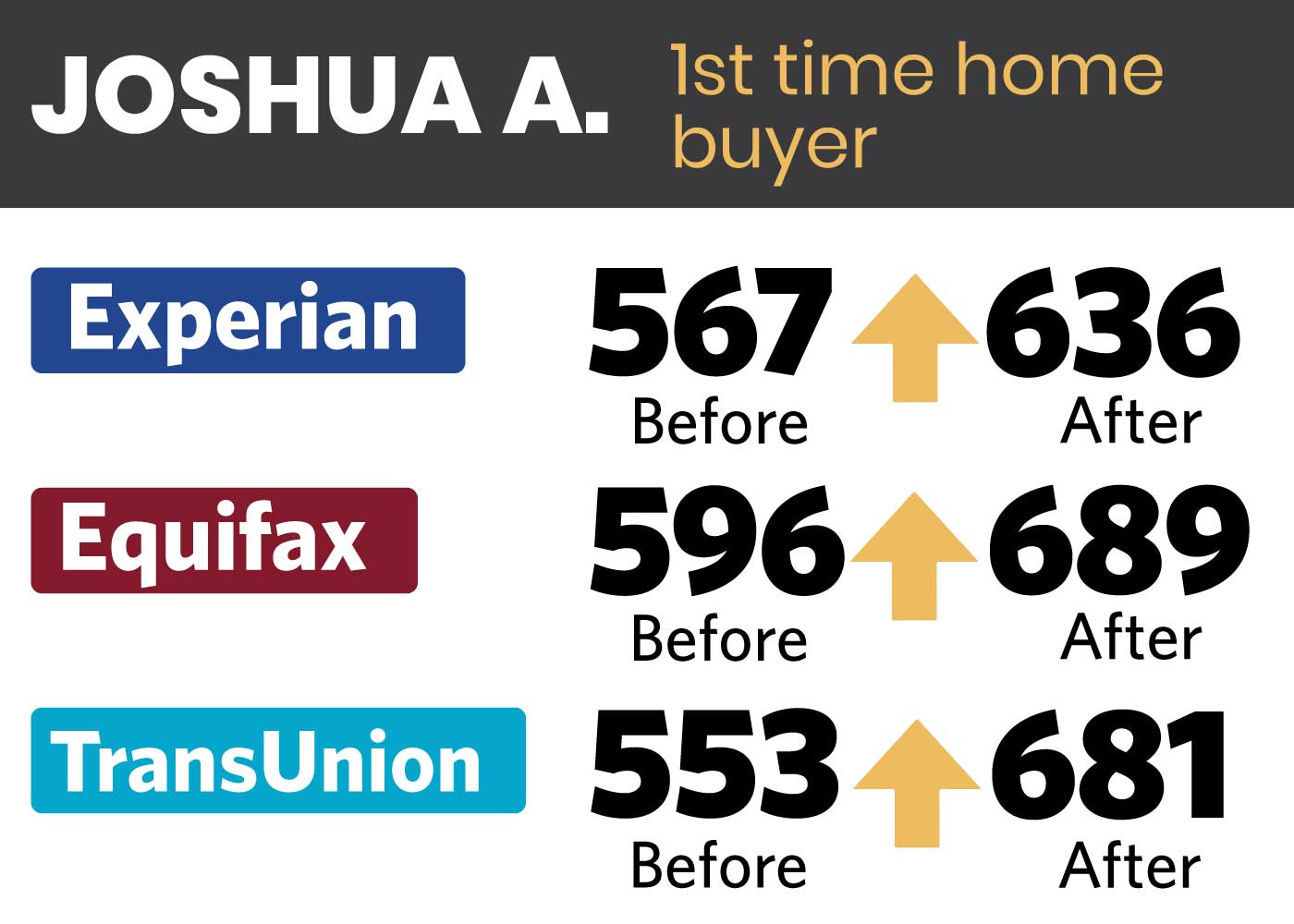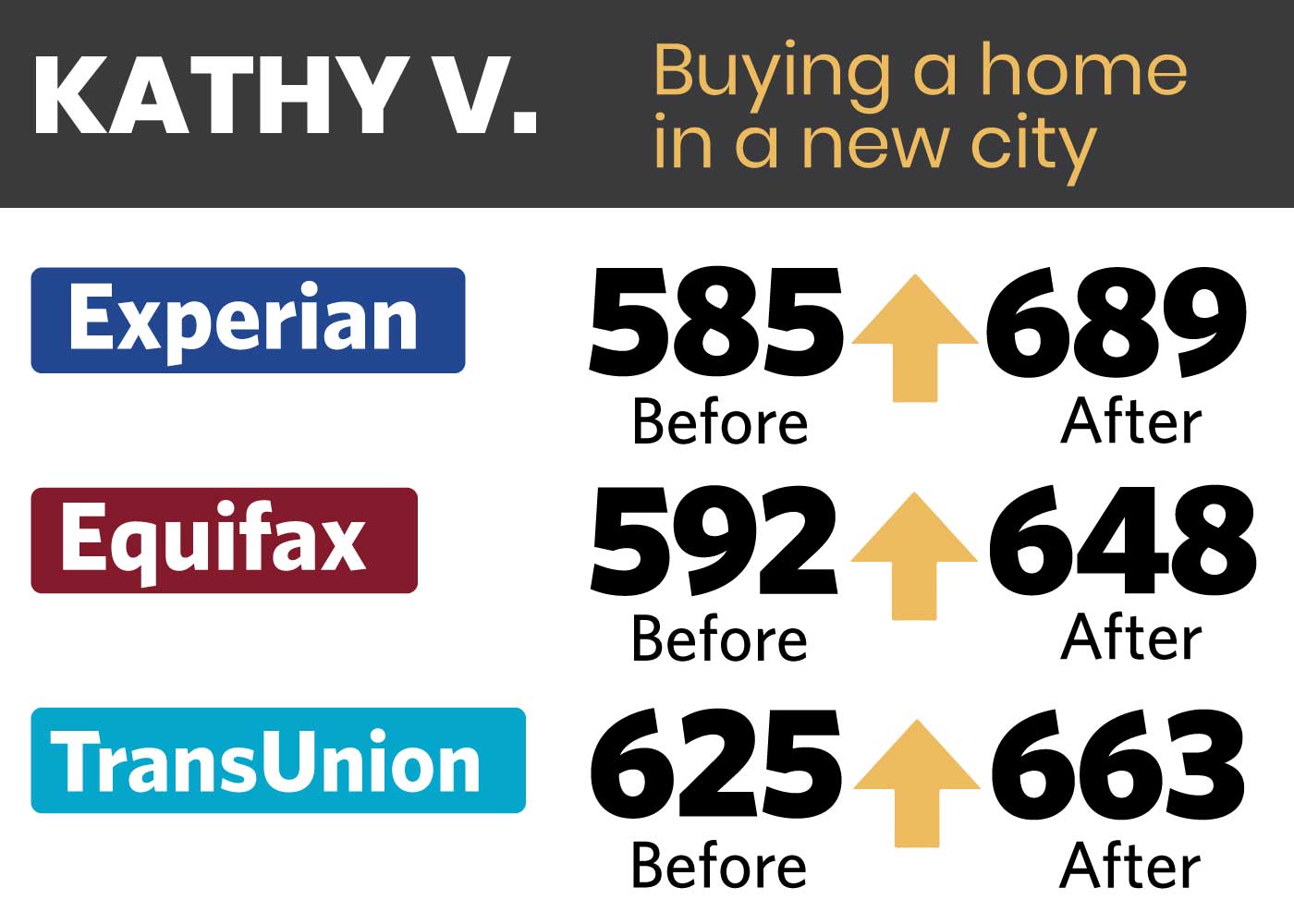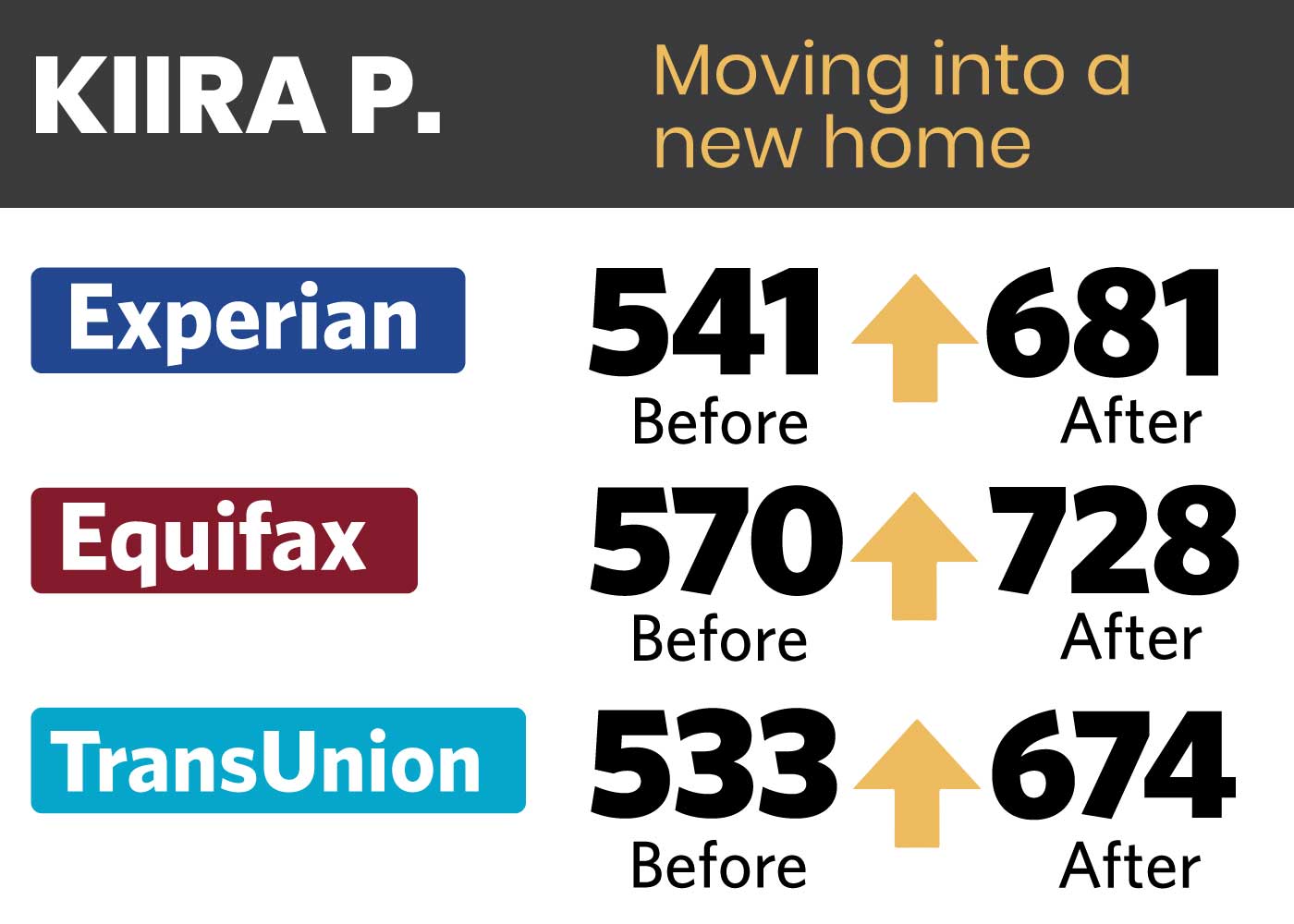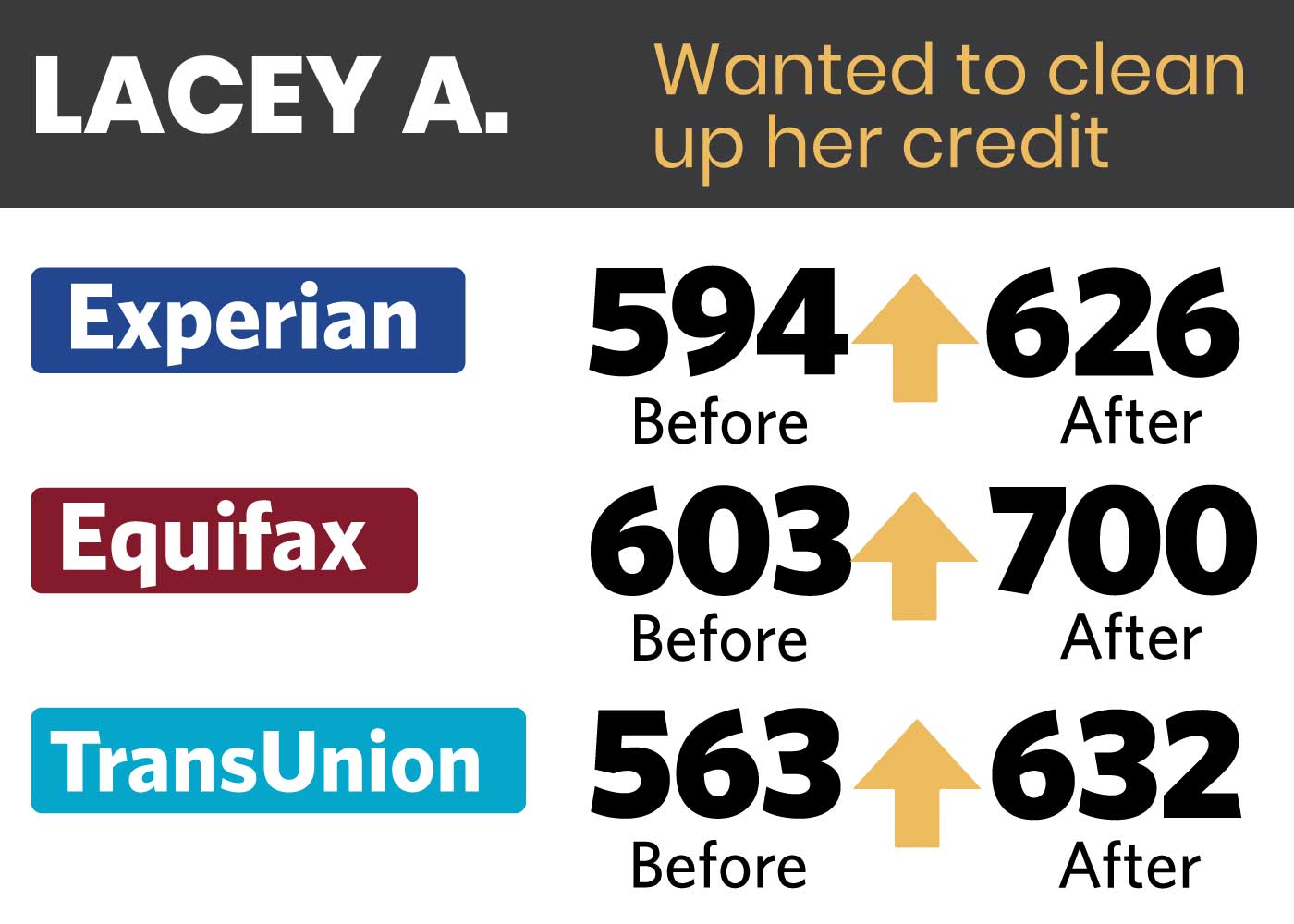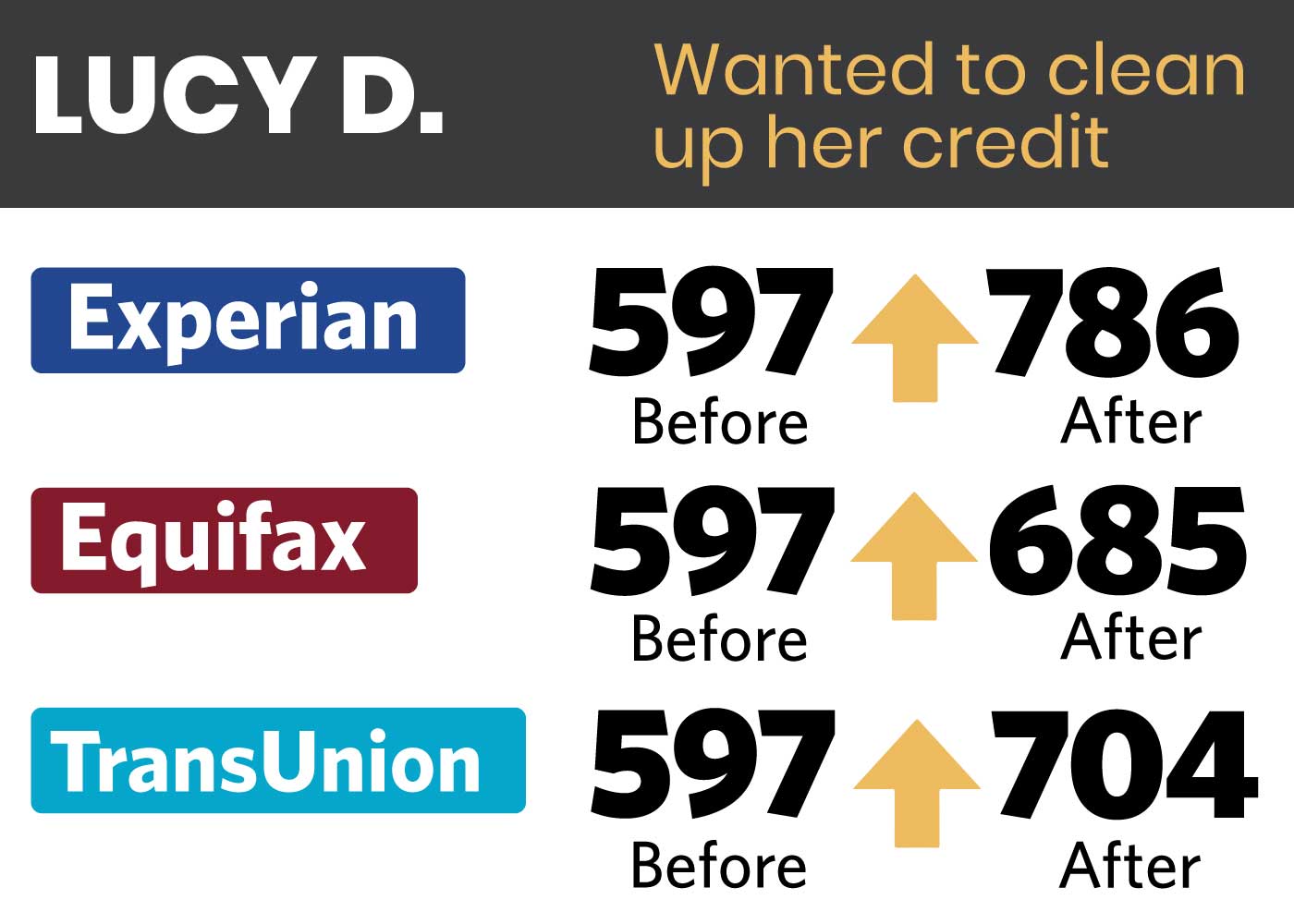
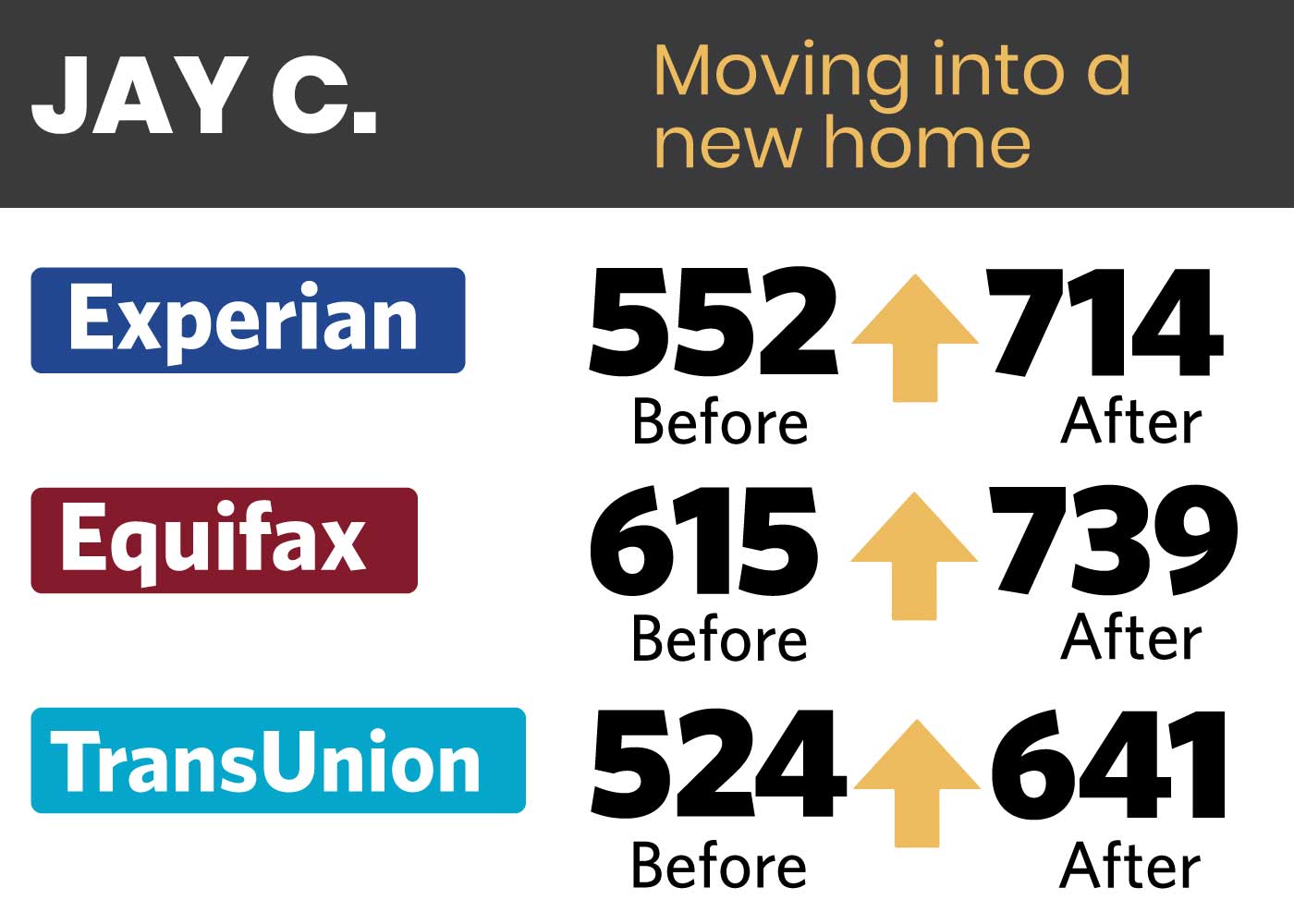
With thousands of happy clients on Google, Facebook, TrustPilot, and more, you will not find a stronger reputation. See how we are different!
We don't just send out dispute letters like other companies. We customize our approach with personalized audits for maximum results.
You'll work with the same credit expert for the duration of the program. They will update you, coach you, and answer your questions.
Our attorney-managed, 4-round process is personalized for each client by an Investigative Research team, all at a reasonable cost.
Schedule your Free Consultation & Analysis
We protect your privacy. Your information is not shared with third parties.
By submitting this form, you agree to receive texts from White Jacobs and Associates. Ongoing communication before, during, and after the program will be initiated by our credit analysts and their assistants. Msg & data rates may apply. Msg frequency varies. Unsubscribe at any time by replying STOP or clicking the unsubscribe link (where available). Privacy Policy

How We're Different
See what our customers are sayingWe can help with...
Macon, GA is slowly becoming an economic powerhouse, attracting people and businesses from all over. Despite facing various challenges (much like any other place in the world right now), Macon’s economic growth does not show any signs of slowing down. The average debt balance per consumer in Georgia, including Macon residents, is around $94,927, covering mortgage, credit cards, auto loans, and other debts, indicating significant household debt levels in the region per a 2024 article on Nasdaq. If you’re struggling to keep up financially, your credit might have taken a hit. You may be a good fit for the best credit repair Macon has to offer.
Your credit score is crucial to your personal financial development. Per The Federal Reserve Bank of Philadelphia, 56.7% of consumers in the Macon-Bibb County metro area have poor/fair credit or limited credit history. If your score goes below the average score (600-750), you’ll likely have to pay a much higher interest rate than usual. And that’s definitely not going to help you stay afloat in the current climate.
A lot of credit repair companies out there tend to provide simplistic and ineffective solutions. They often give generalized and incomplete advice on how to improve your credit score. Most of them don’t even know (or care) enough to explain your legal rights.
We are White, Jacobs and Associates, and we do credit repair the right way. With us, you get a team of experts, including experienced credit analysts and an incredible investigative research team. There’s no better way to restore a poor credit score than with our aggressive and thorough methods.

Most companies out there offer only superficial and repetitive strategies that get you nowhere. Disputing correct information on the credit report over and over again will yield no results. What’s worse, you can do that on your own without paying expensive fees to inept companies.
The smart way involves hiring a team of people who know every possible consumer law there is. Without knowing the law is on your side, it’s highly unlikely you’ll succeed. When you have all the relevant information (and a lawyer) at your disposal, only then will you see your credit rating go up.
Because we take care of your credit score with a smart, no-nonsense approach! We directly address your creditors and collection agencies to fix your credit. If there’s been a violation of federal regulations, we take action against the credit bureaus on your behalf.
But unleashing the full potential of our expertise doesn’t come until later rounds of our easy 4-step process. First, we try to play “nice” with the creditors. If we find their response lacking, we use a much firmer hand.
August-December 2025
Senior Credit Analyst (6+ years experience)
“Valerie reached out with an extensive number of collections, charge-offs, and late payments damaging her credit profile. Our Investigative Research team discovered inconsistencies in how the three major credit bureaus were reporting these accounts. We also gave Valerie clear guidance on steps to take—and avoid—throughout the credit repair journey. After six months of dedicated work, those derogatory items were systematically removed from her credit files. Her lender gave final approval on her mortgage application.”
– 18 Collections Deleted
– 16 Charge-Offs Removed
– 14 Slow Pays Deleted
The removal of these numerous problematic entries created a complete transformation of Valerie’s credit standing. With her significantly improved credit profile, her mortgage application was approved, allowing her to finally pursue homeownership.
Disclaimer: Results vary based on each client’s credit profile and the accuracy of the information reported. Every case is investigated individually for potential compliance issues.
May-Septeber 2025
Senior Credit Analyst (8+ years experience)
“Lauren came to us dealing with multiple collections, charge-offs, and late payment records. We performed a complete assessment of her credit files to develop a targeted strategic approach. We also maintained continuous monitoring of Lauren’s credit reports to track status updates, modifications, and successful deletions. Throughout five months of collaboration, those negative accounts were disputed and eliminated. Lauren qualified for a substantially better mortgage rate.”
– 8 Collections Deleted, Totaling $3,895
– 5 Charge-Offs Removed, Totaling $1,003
– 7 Slow Pays Deleted
Clearing these inaccurate and outdated negative items resulted in a powerful boost to Lauren’s creditworthiness. Her improved credit profile enabled her to secure a far more favorable mortgage rate, translating to significant long-term savings.
Disclaimer: Results vary based on each client’s credit profile and the accuracy of the information reported. Every case is investigated individually for potential compliance issues.
March-June 2025
Senior Credit Analyst (5+ years experience)
“Melisa joined our program with collections and late payments holding back her credit score. We concentrated on prioritizing the highest-impact derogatory items to generate meaningful score movement quickly. Additionally, we tracked and responded to vague or insufficient responses from the credit bureaus. Within four months, those problematic accounts were successfully challenged and deleted. Her mortgage application received approval soon after.”
– 6 Collections Deleted, Totaling $2,047
– 8 Slow Pays Deleted
By removing these unsubstantiated and damaging entries, Melisa’s credit profile saw remarkable improvement. The enhanced credit standing allowed her lender to approve her mortgage application, putting her on the road to homeownership.
Disclaimer: Results vary based on each client’s credit profile and the accuracy of the information reported. Every case is investigated individually for potential compliance issues.
We get our incredible results by being consistent and aggressive. In the first round of the process, we go full force ahead. Right off the bat, we apply pressure on every party that has something to do with your credit problems. We target all three of your credit reports and leave no negative items unaddressed.
On average, it typically takes 45-60 days for your credit reports to reflect the impact of our approach. Be on the lookout for the mail from Experian, Equifax, and TransUnion. Creditors and collection agencies will try to get you on the phone to validate the debts – ignore them. Leave all communication of this type to us. You will need to send us any physical mail, however. That’s how we determine the best approach in responding.
We will notate all the negative items that we managed to get removed, and then go after more of them! And that’s only the first step. The second one involves even more desperate and highly specific attempts by creditors to stop you from achieving your goals. Again, send any correspondence our way and we’ll do the rest.
If the creditors, collection agencies, and credit bureaus prove persistent enough, we escalate our efforts and push even harder. Our team will ensure compliance with all regulations and take action against any remaining stubborn creditors.
Our aggressive and relentless methods might leave you wondering if what we’re doing is legal. To that, we can only respond with a resounding “Yes!”
Credit repair, in general, is completely legal. In fact, it is protected by federal law. Some of the consumer laws regarding credit repair include the Fair Credit Reporting Act (FCRA), Fair Debt Collection Practices Act (FDCPA), Fair Credit Billing Act (FCBA), Fair and Accurate Credit Transactions Act (FACTA), and HIPPA laws.
The first step to resolving credit issues is to contact us. There is no point in spending time and money on companies that don’t enforce your rights. Let us know what problems you’re facing and we’ll get them sorted out as fast as possible.
Depending on the circumstances, the duration may vary, but typically, it doesn’t exceed six months. However, it rarely takes that long to get results. As a matter of fact, you should be seeing the first signs of improvement in 2 to 3 months following our involvement.
Sometimes, when updated credit reports arrive, our clients notice improvements in as little as 45-60 days after hiring us. While results can vary, some have seen positive changes within this timeframe. What makes us truly stand out is that we’ll provide you with an estimate of how long the process is going to take. That’s much better than allowing other credit repair companies to drain your funds over an unspecified number of months.
We stand out from the competition in more than a single way. At WJA, we don’t just blindly send disputes and hope for the best. We are dedicated to being the top credit repair Macon, Georgia deserves. Our four-step process is a commitment to achieving the best possible outcome – for you.
As a bonded and registered credit services company, White, Jacobs & Associates operates in complete adherence to the Credit Repair Organizations Act (CROA), the Fair Credit Reporting Act (FCRA), the Fair Debt Collection Practices Act (FDCPA), and all necessary licensing standards. We implement procedures consistent with Consumer Financial Protection Bureau (CFPB) and Federal Trade Commission (FTC) best practices, with our process structured to preserve your legal protections during every phase. Client sensitive data is managed through comprehensive security frameworks that comply with Gramm-Leach-Bliley Act (GLBA) requirements, and our organization includes legal supervision to ensure all operations remain ethical and within legal boundaries.
Yes, Macon has several avenues for financial education that won’t cost you. Consumer Credit Counseling Service of Middle Georgia is one – they often provide free budget and credit counseling (sometimes funded by United Way or grants) and cover Macon-Bibb. They can help you understand your credit report and even set up a debt management plan if needed. Macon-Bibb County Housing Authority and some local non-profits offer homebuyer education classes that include credit improvement modules; even if you’re not buying a home right now, these classes teach about credit scores, how to raise them, etc., and they’re usually free or a token fee. The University of Georgia Extension has an office serving Macon and can provide financial literacy materials and sometimes workshops (the Extension Service often runs programs on budgeting, saving, and credit as part of their family and consumer sciences outreach). Also, check out the Macon Public Library – they may host the Money Smart series or have partnerships to run financial literacy seminars. Another resource: Navicent Health (the hospital) had in the past some community wellness programs including financial wellness classes, recognizing the link between financial stress and health. Keep an eye on community calendars or ask at places like the Family Investment Center. And if you prefer online, but still local-ish, the state of Georgia’s Department of Community Affairs has online resources and may occasionally host webinars. The key is that you don’t have to pay a credit repair company when so much free knowledge is around – Macon’s community organizations really do try to uplift residents with these programs, so take advantage. Building credit doesn’t necessarily mean taking on big debt. If money is tight, you can start very small. One of the safest ways is a credit-builder loan through a credit union or bank where you essentially “pay yourself” – for example, you borrow \$300, but you can’t use that money; it’s held in an account while you make, say, \$25 payments for 12 months, then you get the \$300 (often with interest) at the end. All the while, those payments are reported to the credit bureaus as loan payments, so you build a credit history without actually spending new money (just need to have the cash flow to cover the payments). Another approach: get a secured credit card with a small limit, like \$200. Use it for one small expense a month (like a tank of gas or a utility bill), then pay it off. You’re not going into debt if you pay it in full each month – you’re essentially using it as a tool to report positive behavior. Some cards even let you secure them with as little as \$49 or \$99 for a \$200 limit (depending on the bank and your situation). If even that is too much, you can try non-traditional methods like Experian Boost, which adds your on-time utility or phone payments to your Experian credit file (it’s not a huge effect, but it’s something, and doesn’t cost anything). Additionally, joining something like a local lending circle (if available in Macon’s community groups) could help – that’s where a group of people chip in monthly and pay one member a lump sum, sort of a rotating savings, and some programs report that to credit bureaus. The key is consistency and patience. Even on a very limited budget, committing to a small on-time payment that gets reported can start building your score. It might be slow, but it’s steady – and you won’t be racking up unaffordable debt. Over time, you’ll qualify for credit on better terms if you need it, and you’ll have shown you can handle credit responsibly despite living paycheck to paycheck, which is a big achievement. Renting with bad credit can be challenging, but not impossible. In Macon, many landlords are individual owners or smaller companies, and they might be more flexible than big corporate apartment complexes. If your credit is bad, bolster the other parts of your application: have solid references (previous landlords, employers) and proof of steady income. Offering a higher security deposit or a couple months’ rent in advance can also ease a landlord’s worries – it shows you’re serious and gives them a financial cushion. Some people use a co-signer with good credit (maybe a parent or sibling) to sign the lease as well – but remember, that person is legally on the hook if you don’t pay. Macon has some rental agencies; if one turns you down, try looking for listings that say “private owner” or even consider renting a house instead of an apartment – owners of single-family rentals might not even check credit if you meet and build trust. It helps to explain your situation honestly: if your credit is bad due to something like medical bills or a divorce, sometimes a landlord will understand if everything else checks out. Also, be prepared to demonstrate you’re fixing the issue – e.g., “Yes, my credit score is only 580, but I’ve paid off two of three collections and I have a stable job now.” In Macon’s market, landlords often just want to ensure you don’t have past evictions or a pattern of not paying rent. So if your credit issues are more about consumer debt, you have a decent shot. You might also seek housing through programs – for instance, the Housing Authority or nonprofits might have units available that consider more than just credit score. Finally, once you do get a place, paying that rent on time can actually help your credit now (some services can report your rent payments). It’s a bit of extra work to find a willing landlord, but many Macon renters with poor credit do secure housing by being proactive, upfront, and offering a bit more assurance in lieu of a perfect credit report. When you’re working on credit improvement, some common pitfalls can actually set you back. One big mistake is closing old credit accounts. It might feel good to cut up that old card, but if it doesn’t have an annual fee, keep it open – closing it can shorten your credit history and reduce your available credit, which might lower your score. Another mistake: disputing everything on your credit report blindly because some “credit hack” told you to. If the info is accurate, disputes can come back verified and it’s a wasted effort (or temporarily come off and then reappear, which can be frustrating). Focus disputes on true errors. Also, avoid applying for too much new credit at once – each application is a hard inquiry and too many of those in Macon’s smaller credit market can spook lenders (they may think you’re desperate for credit). Space out any necessary credit applications. Payday loans or title loans might not show up on your credit report (unless you default), but they can drain your finances and make it harder to pay real credit accounts – so taking those out while trying to fix credit is generally a mistake that leads to a deeper hole. Another often-seen misstep: not having any patience. Rebuilding credit is like improving your diet – results take a little time. Some Macon folks might get discouraged after a month and go back to bad habits. Stick with it; scores can rise noticeably in 6-12 months with consistent effort. Finally, be careful of scams – like someone promising a “CPN” or credit privacy number to give you a fresh credit identity (that’s illegal), or sketchy credit repair outfits that charge big fees. There’s no magic fix, so avoid anything that sounds too good to be true. By steering clear of these mistakes and staying on a solid path – paying on time, managing balances, building positive history – Macon residents can and do achieve significant credit turnarounds. Are there any free or low-cost financial education resources in Macon to help with credit and debt?
With so many people in Macon living paycheck to paycheck, how can one build credit without going into debt?
How can someone in Macon with bad credit get approved for an apartment or housing?
What mistakes should Macon residents avoid when trying to improve their credit?
Schedule your Free Consultation & Analysis