
White Jacobs & Associates is Nationwide
We change lives
in California
Located Near You
Click a city below to get started
Don't see your city? We can probably still help!
Schedule your Free Consultation & Analysis
We protect your privacy. Your information is not shared with third parties.
By submitting this form, you agree to receive texts from White Jacobs and Associates. Ongoing communication before, during, and after the program will be initiated by our credit analysts and their assistants. Msg & data rates may apply. Msg frequency varies. Unsubscribe at any time by replying STOP or clicking the unsubscribe link (where available). Privacy Policy
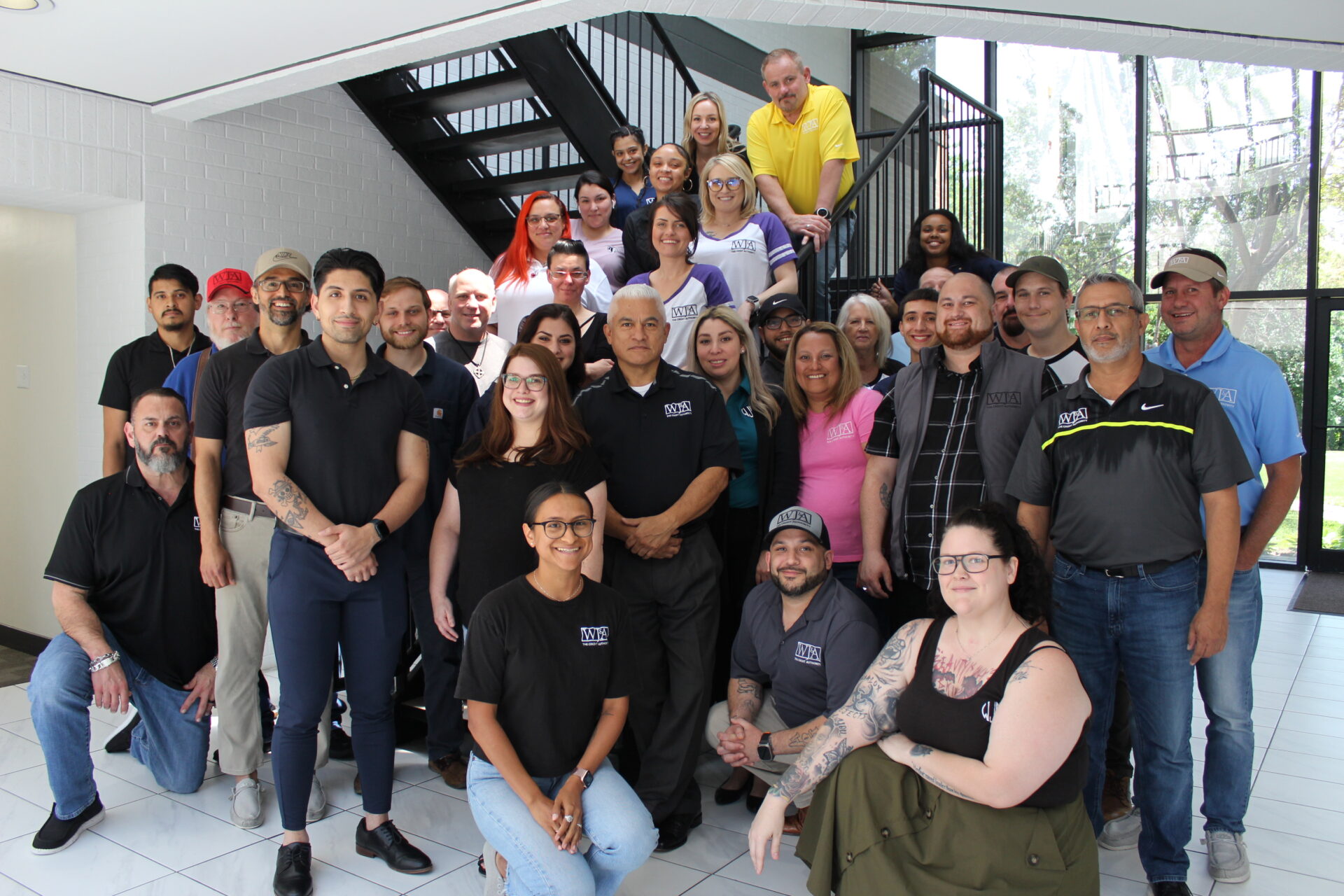
Meet the team
How We're Different
See what our customers are saying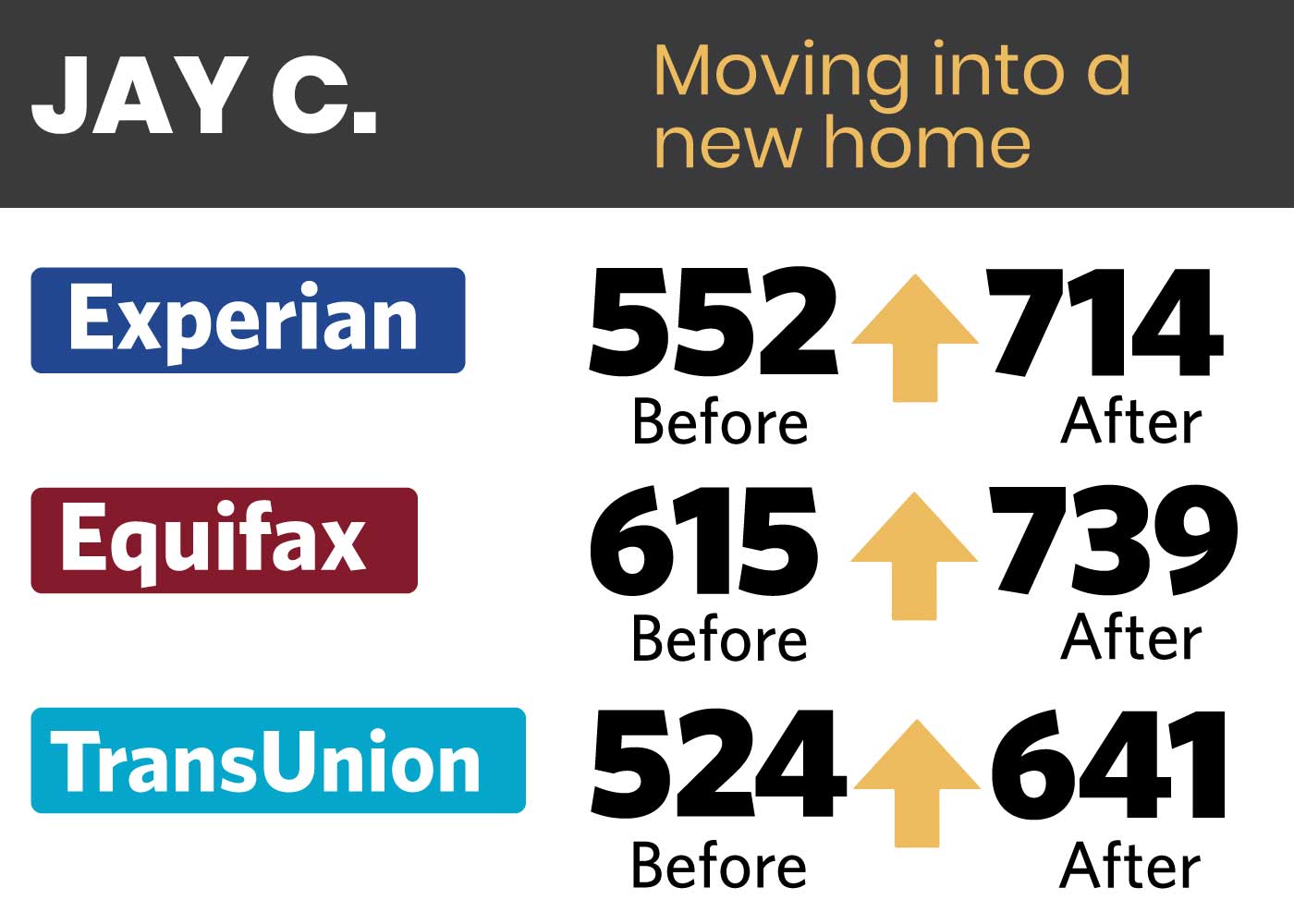
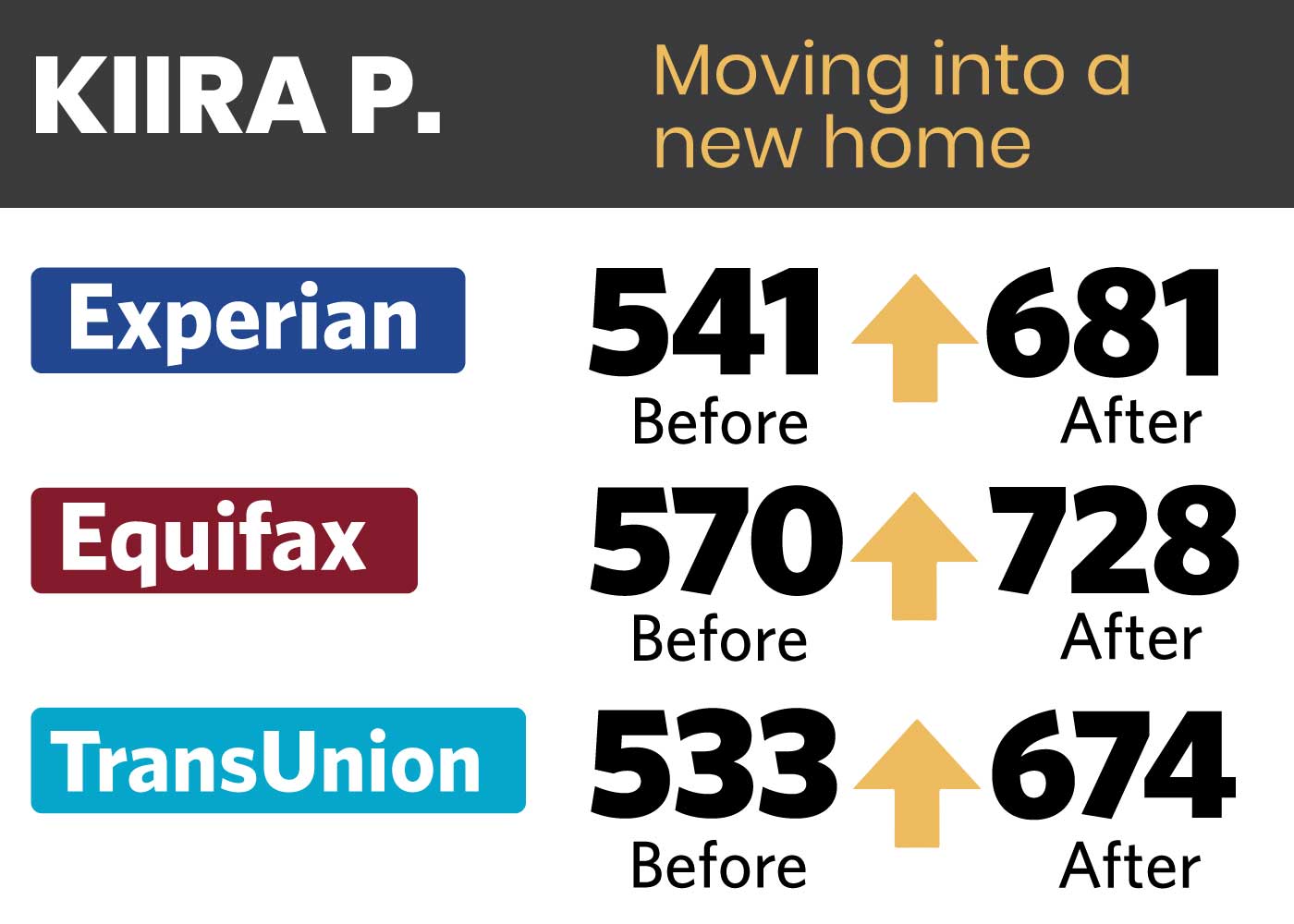
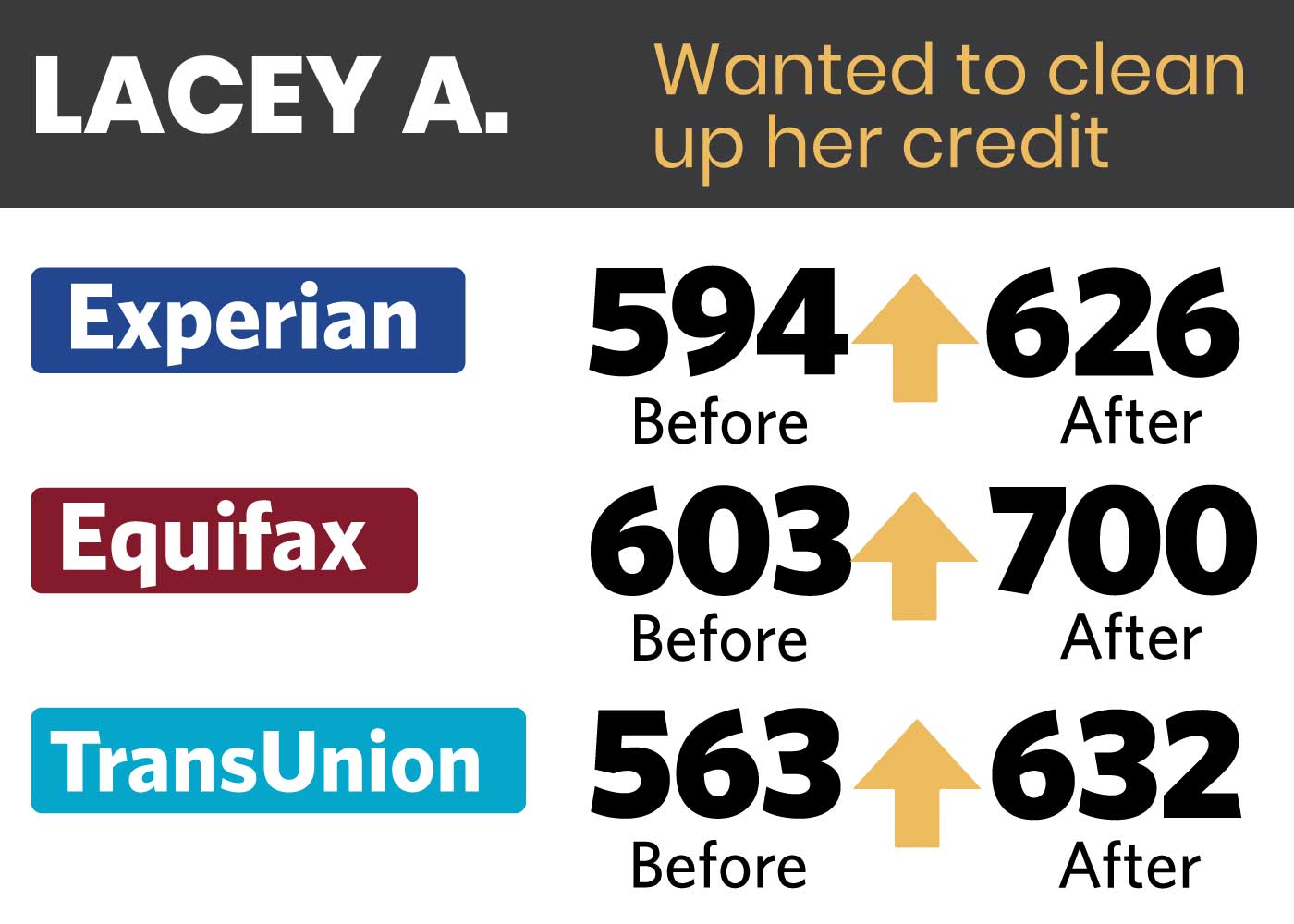
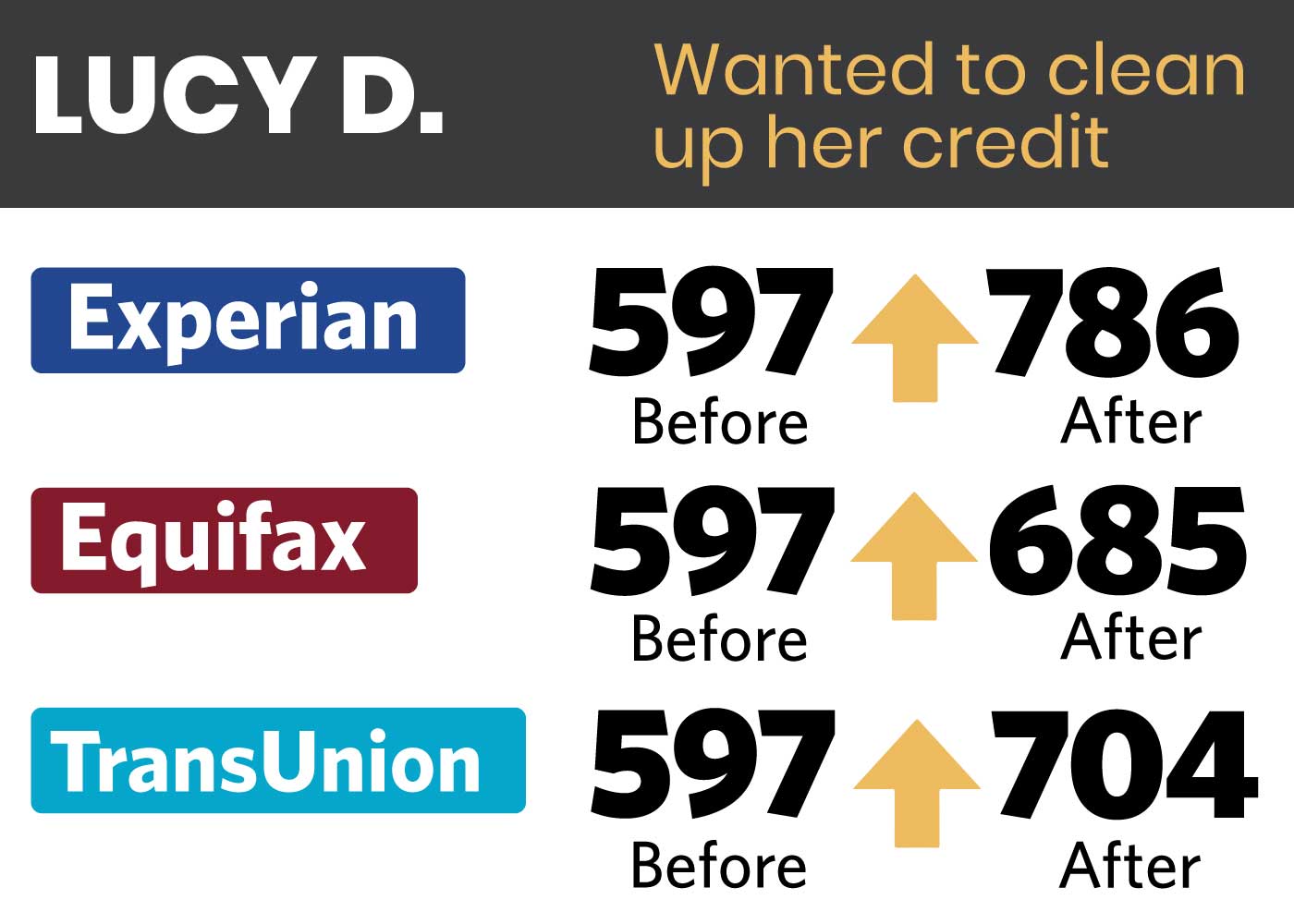
Top Rated California Credit Repair
You’re probably terribly aware of California’s high cost of living and the threat of natural disasters like mudslides and wildfires. And we can’t forget the infamous West Coast earthquakes. Maybe these aren’t the only menacing factors underfoot, though: perhaps your credit score isn’t a firm foundation on which you may stand and hasn’t been for a while. You’ve come to the right place if you’re seeking the best California credit repair. Our truly one-of-a-kind team of credit specialists is waiting to assist you.
Home to the Redwood Forests, Hollywood, and cable cars, California is a place of natural wonder, the iconic and the famous, as well as history and charm. Regardless of which part of the “Golden State” you reside, life events happen. Divorce. Job loss. Poor financial decisions. Health issues.
These life events affect every person in every state. And this can impact your credit score significantly.
As you probably know, Cali is the “King of Produce” with all the fruits and vegetables that are grown there. And just as healthy eating is a priority; your financial health & stability (and a strong credit score) should be a priority as well. Even if you don’t drink wine, you understand that many things, like wine and credit, take time to make. But unlike wine, your credit score can spoil in an instant. And even if you don’t surf, you understand that it only takes one wrong step to make you fall. It happens to everyone. Credit is no different.
Getting you BACK up on your feet is what we do.

We are not a typical credit repair company
If you’re thinking that credit repair is a scam and if you’re doubtful that even some of the programs out there can actually help you, you’re a step ahead of the crowd. The majority of those popular credit repair services your search engine is highlighting, well, they’re, indeed, rackets. These services love to boast great customer service, quick fixes, easy results, and shiny tracking apps for your convenience. They also refuse to give you a definitive timeline on the process because let’s be honest: the longer they can keep you in the credit repair game, the longer they can charge you 100 bucks per month. You’re looking for solid ground, a new beginning that means stability for your future. You won’t find it in these impersonal, traditional repair programs. Your monthly installment shouldn’t be the focus. You should be.
We don’t just send generic dispute letters
White, Jacobs & Associates (WJA) is the aggressive alternative you need if you want to regain your footing and, most importantly, your buying power. They offer a customized, proven approach that yields lasting results. So, if you’re looking to gain loan approval, refinance, lower interest rates, or increase credit score, give WJA a chance to show you what they can do. Other credit repair companies are depending on recycled form dispute letters to make an impact with creditors and bureaus. At WJA, the team is examining your case specifically. They know exactly what your individual credit report needs and exactly how to help you achieve the score you long for. Learn more about their tried and true process here!
If you’re wondering why WJA is the best in the industry, it all starts with their personal credit analysts. From the start, you’ll be partnered with an experienced credit coach who will explain every step of the system. In fact, they’ll be there to answer questions and provide guidance for the duration of the program. Next, your analyst’s work is passed on to a thorough investigative research team and an in-house lawyer. So, if things feel shaky at the moment, trust that White, Jacobs & Associates can be the assertive team you and your credit need. Ready? Steady. Go!
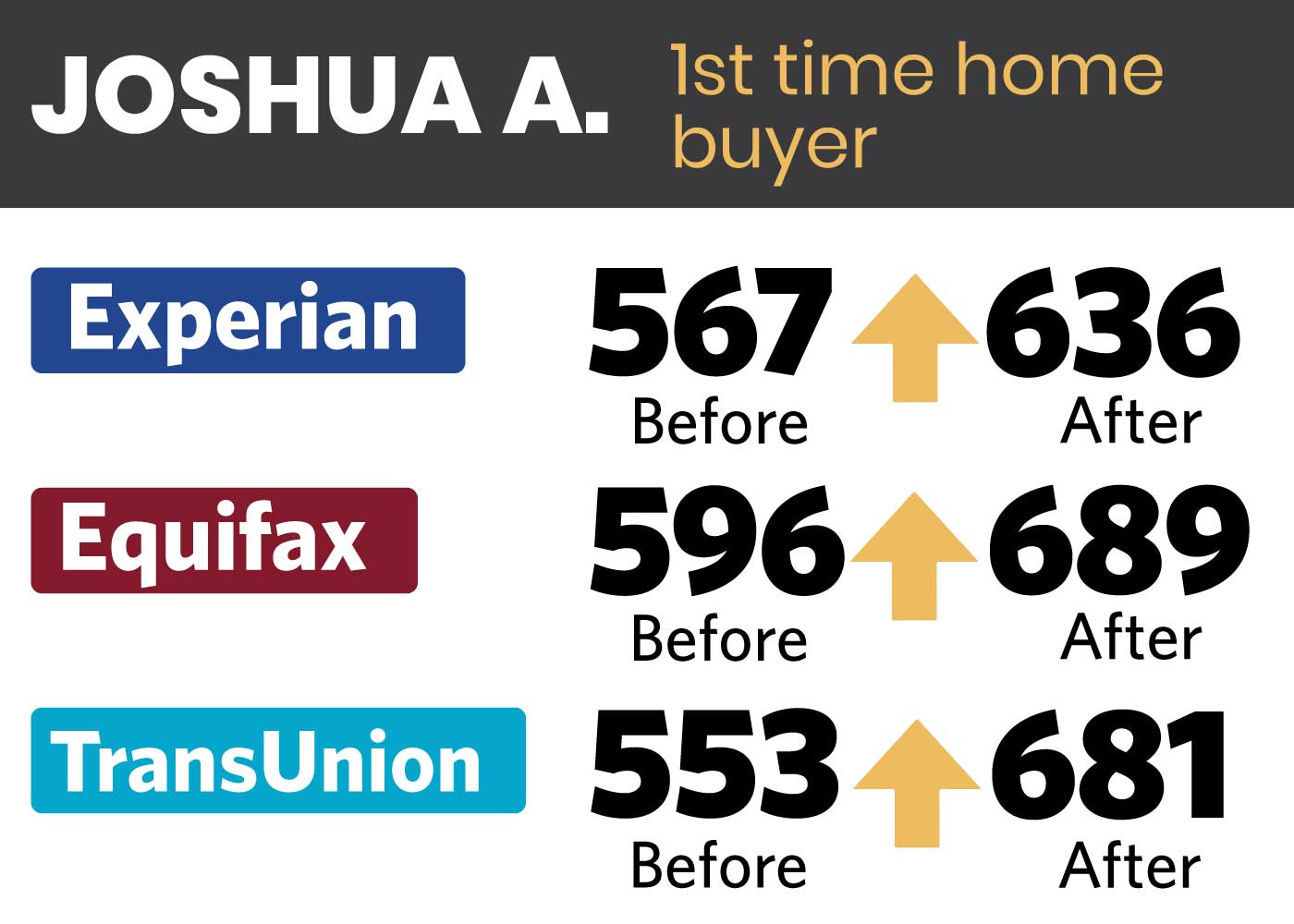
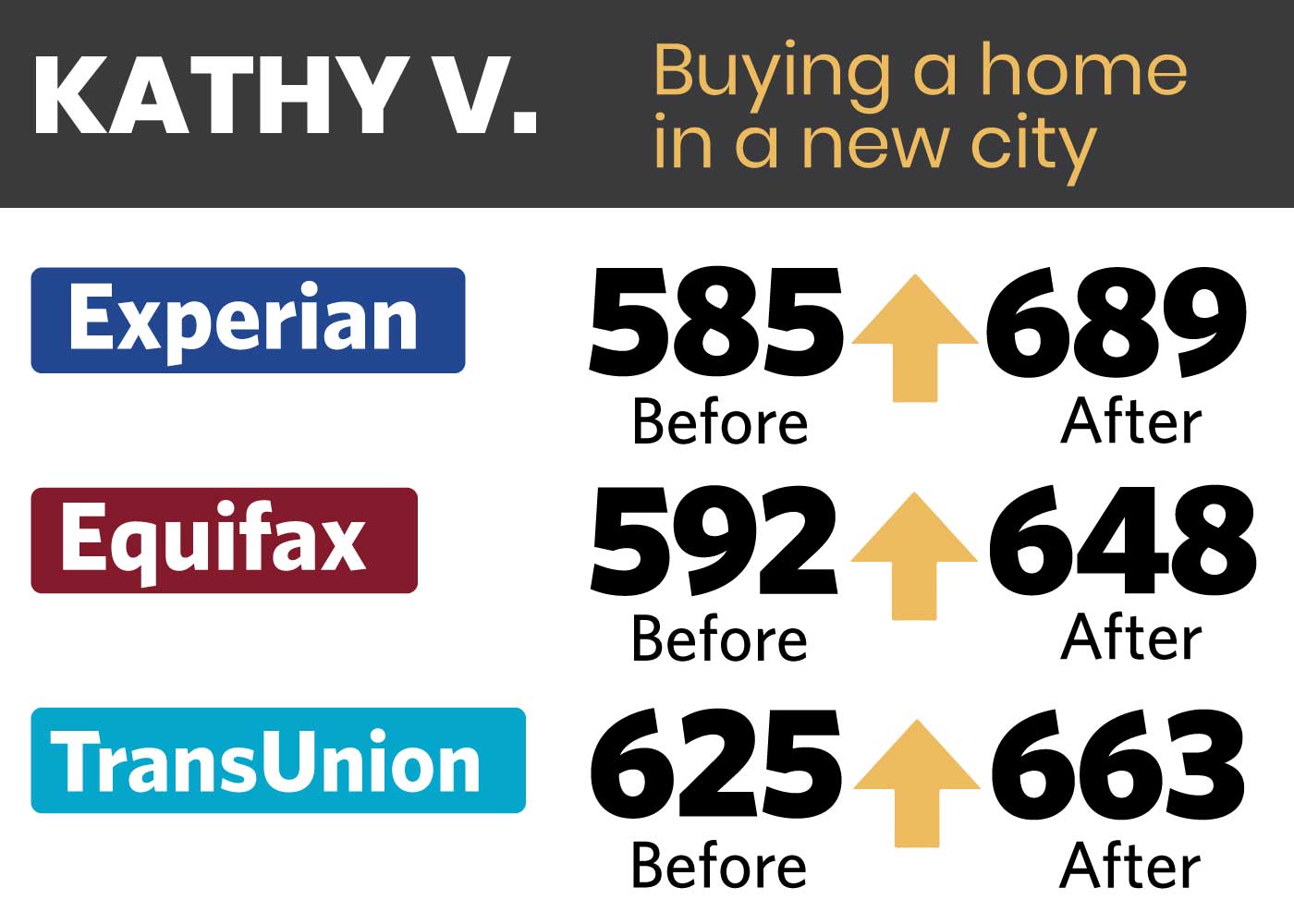
Interested in specific credit cases WJA has handled in the past? Check out our reviews and results page to see some life-changing stories.
LIFE-CHANGING CALIFORNIA CREDIT REPAIR
Admitting there’s a problem is often the first step to solving the issue at hand. And you’ve done that. You’re here now. You’re wondering how you can move past the frustration of a credit score that’s not as high as it should be. You understand that these cracks and gaps in your financial underpinning are overwhelming and complicated, to say the least. You can’t do it alone. And you don’t have to.
Some of your dreams and plans are failing, falling through, and shattering before you. This wasn’t how it was supposed to turn out. Collections, charge-offs, late payments, public records, incorrect information – all of these have an impact on your credit. Sure, you could dispute a lot of these items yourself, but you may not get the results you’re hoping for. In fact, it’s important for you to understand the process we’ve engineered to tackle negative/inaccurate items.
The best credit repair service in California can show you the way. They’re dedicated to hearing about your past, present, and future. They want to help you face your credit challenges with the most effective tactics possible. You want results, and they want those results for you. You’ll get the one-on-one attention you deserve, and WJA’s attorney-engaged dispute letters and 4 rounds of audits will make all the difference. For more about the WJA mission, click here.
IMPROVE CREDIT TO BUY HOME, AUTO, ETC.
It’s time to raise credit score for home loan approval, refinancing, and more. Maybe everything has already collapsed around you, or perhaps you want to get a handle on your credit before things get worse. Whatever the case, WJA understands that bad credit is preventing you from living your life to the fullest. If that auto loan, those lower rates, or business venture seems to be out of reach, WJA will help you repair the bridge that leads to possibility.
Even better, you’ll be trained during the program. WJA won’t fix everything and simply send you on your way. If you’re a good fit in their system, they’ll help you improve your score, certainly, but they’ll also coach you in how to keep on improving. You’ll see results in about 45 days, and your customized plan of action will never take you beyond the 180-day mark. If it does, you won’t be charged for the extra time.
Read our reviews and results here. WJA clients can confirm that you’ve found a Credit Authority© and the “real deal” credit repair professionals California can rely on.
Get started: CREDIT REPAIR FOR THE GOLDEN STATE
Don’t let your opportunity for a better life slip through the cracks. Don’t let past financial mistakes or unforeseen, expensive circumstances completely own you forever. Take the necessary steps to fix credit to buy home or auto, qualify for business loans, and more! White, Jacobs & Associates is here for you, California. Reach out now. The consultation is absolutely free. It’s never too late to pick up the pieces and begin rebuilding.
Click to rate this post!
[Total: 2 Average: 3]
Top Rated Credit Repair
California
Five star reviews
With thousands of happy clients on Google, Facebook, TrustPilot, and more, you won’t find a stronger reputation
Customized Plan
We don't just send out dispute letters like other companies. We customize our approach with personalized audits for maximum results.
One on One
You'll work with the same credit expert for the duration of the program. They will update you, coach you, and answer your questions.
Attorney Managed
Our attorney-managed, 4-round process is personalized for each client by an Investigative Research team, all at a reasonable cost.