
White Jacobs & Associates is Nationwide
We change lives
in Wisconsin
Schedule your Free Consultation & Analysis
We protect your privacy. Your information is not shared with third parties.
By submitting this form, you agree to receive texts from White Jacobs and Associates. Ongoing communication before, during, and after the program will be initiated by our credit analysts and their assistants. Msg & data rates may apply. Msg frequency varies. Unsubscribe at any time by replying STOP or clicking the unsubscribe link (where available). Privacy Policy
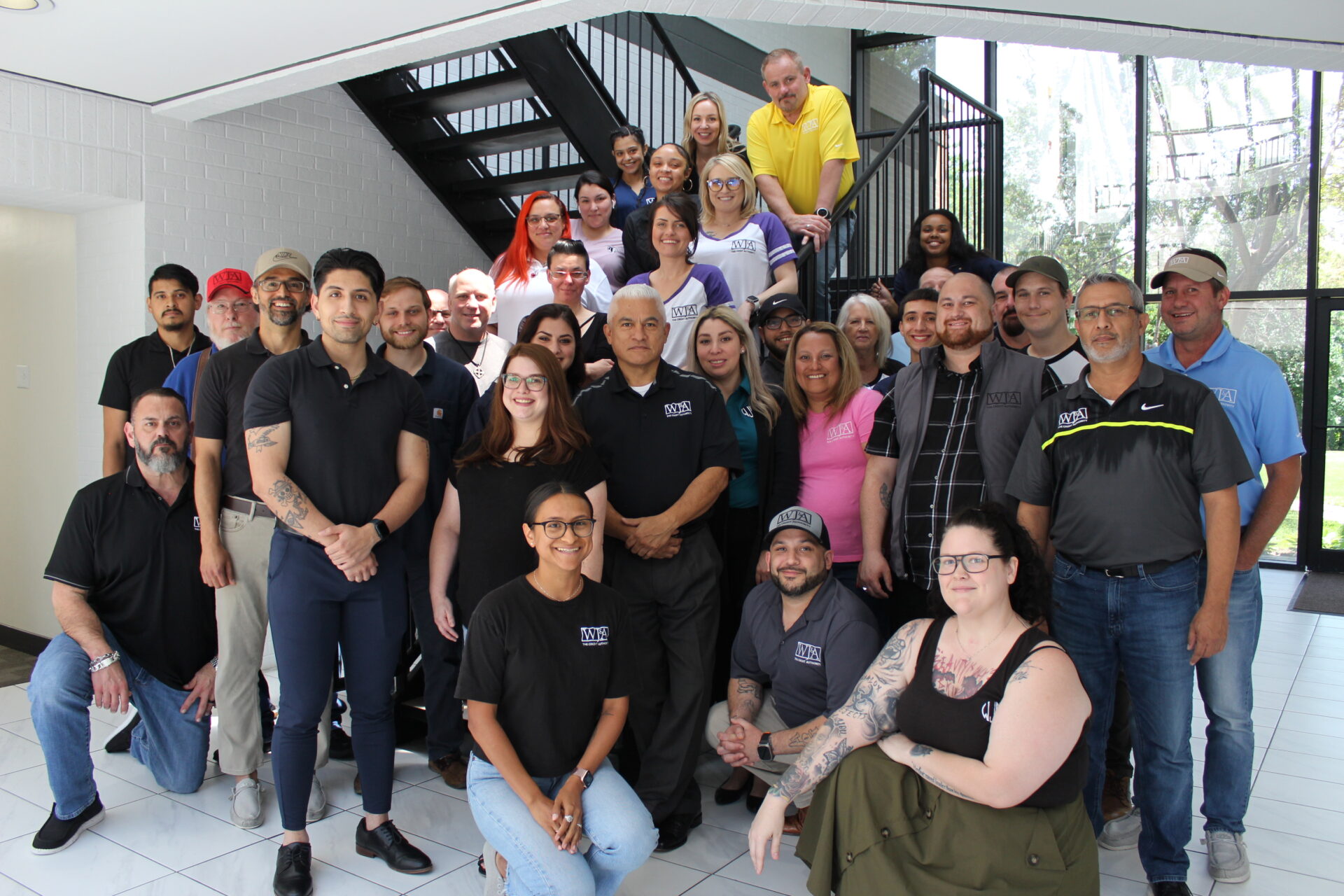
Meet the team
How We're Different
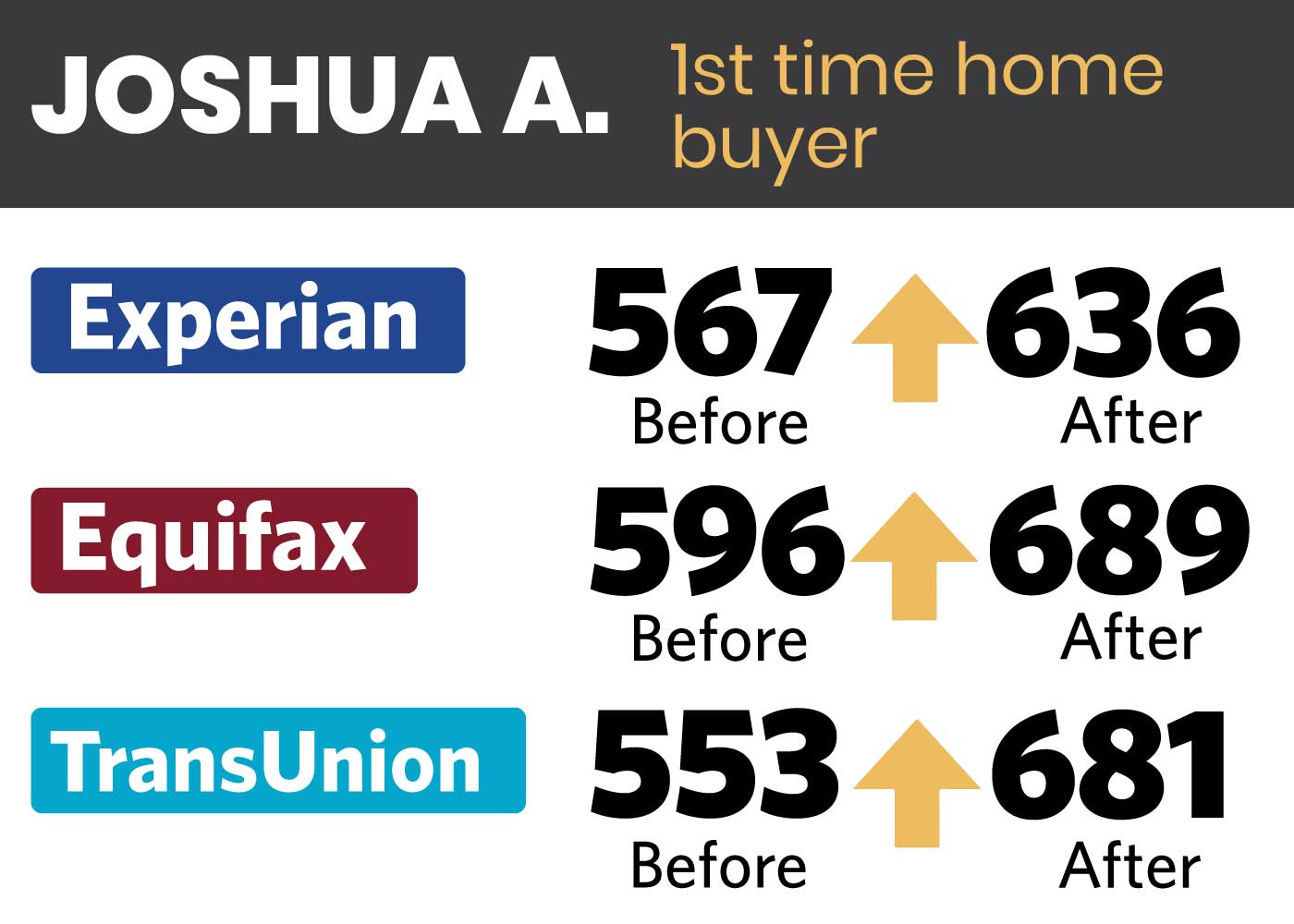
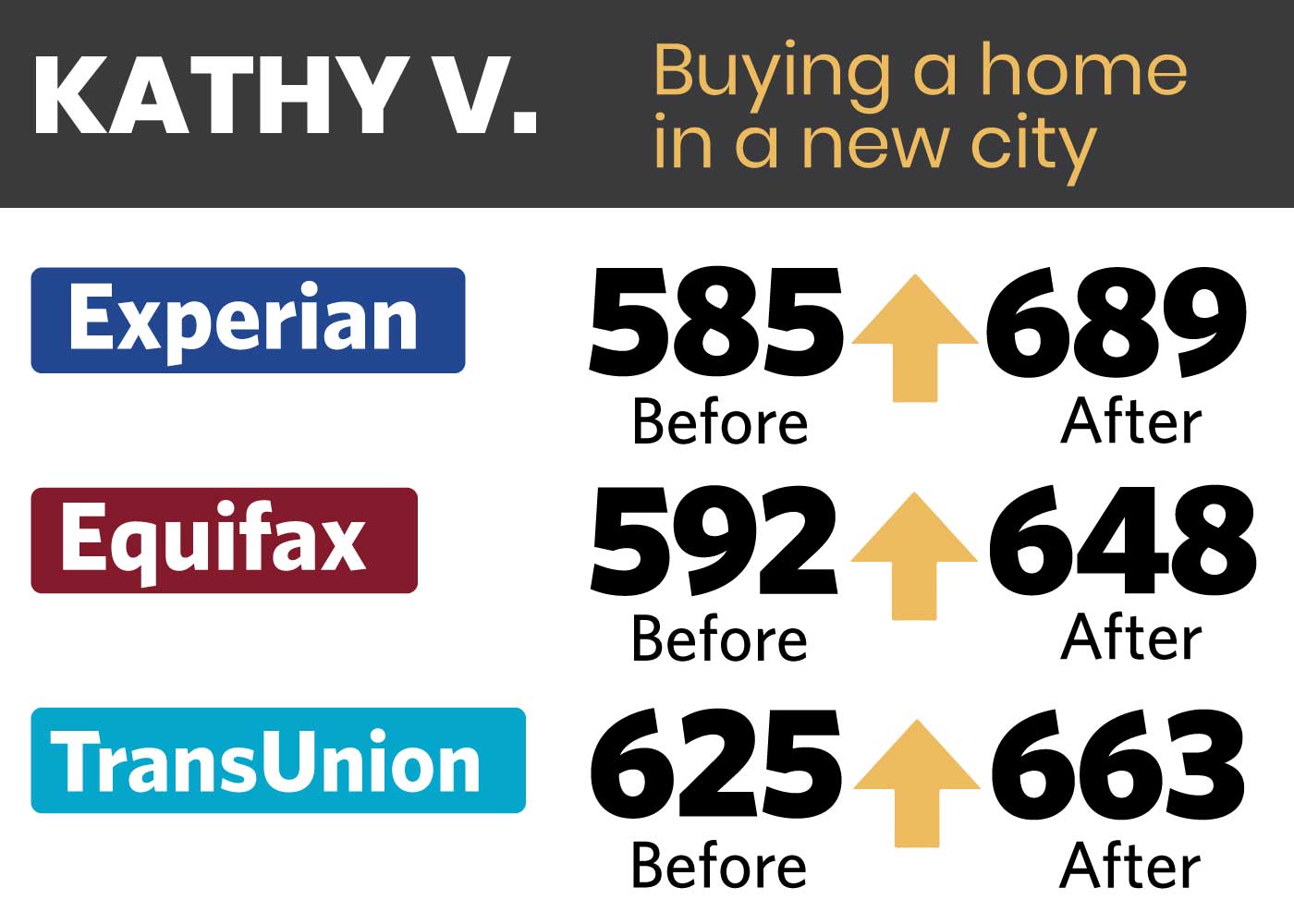
See what our customers are saying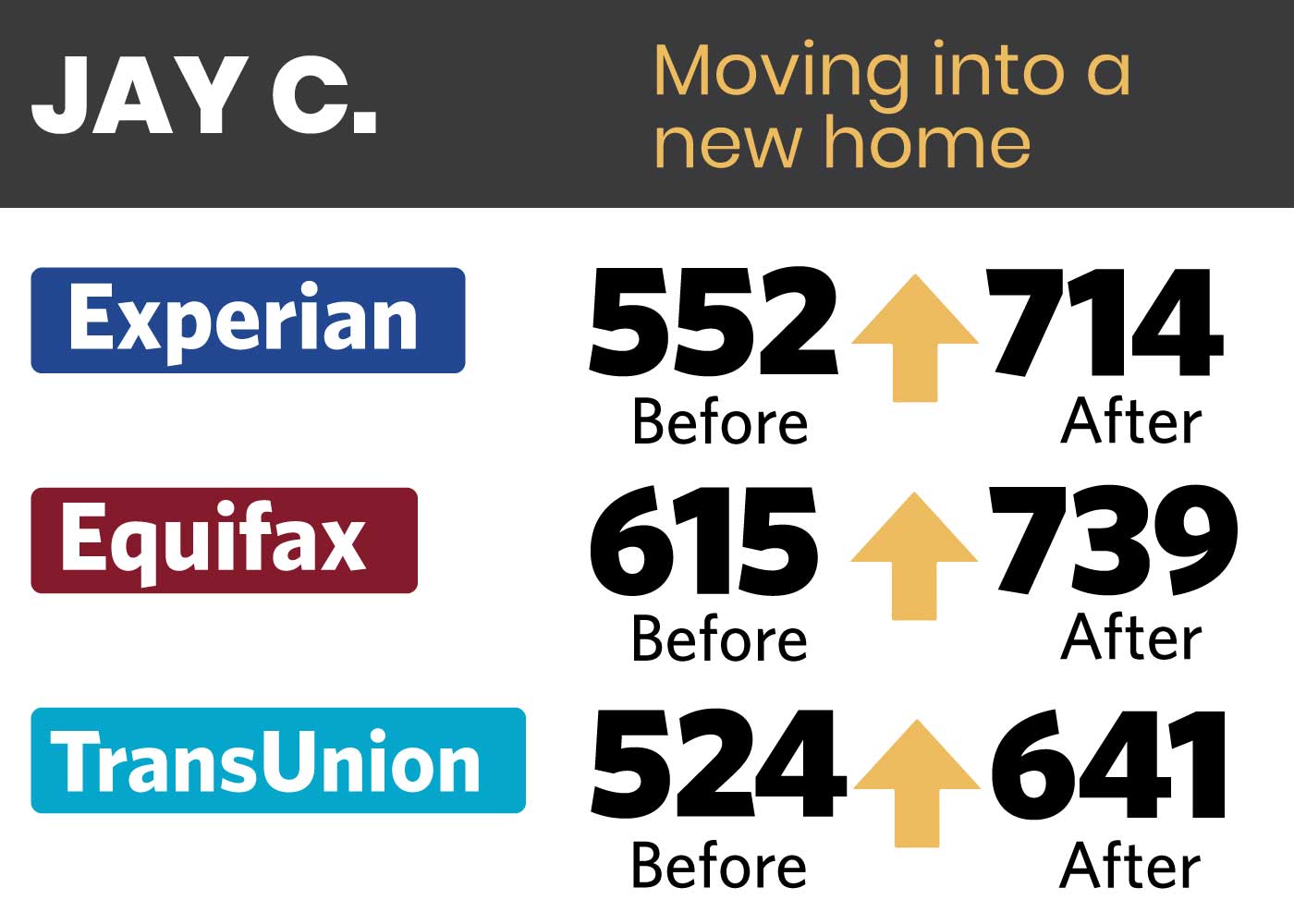
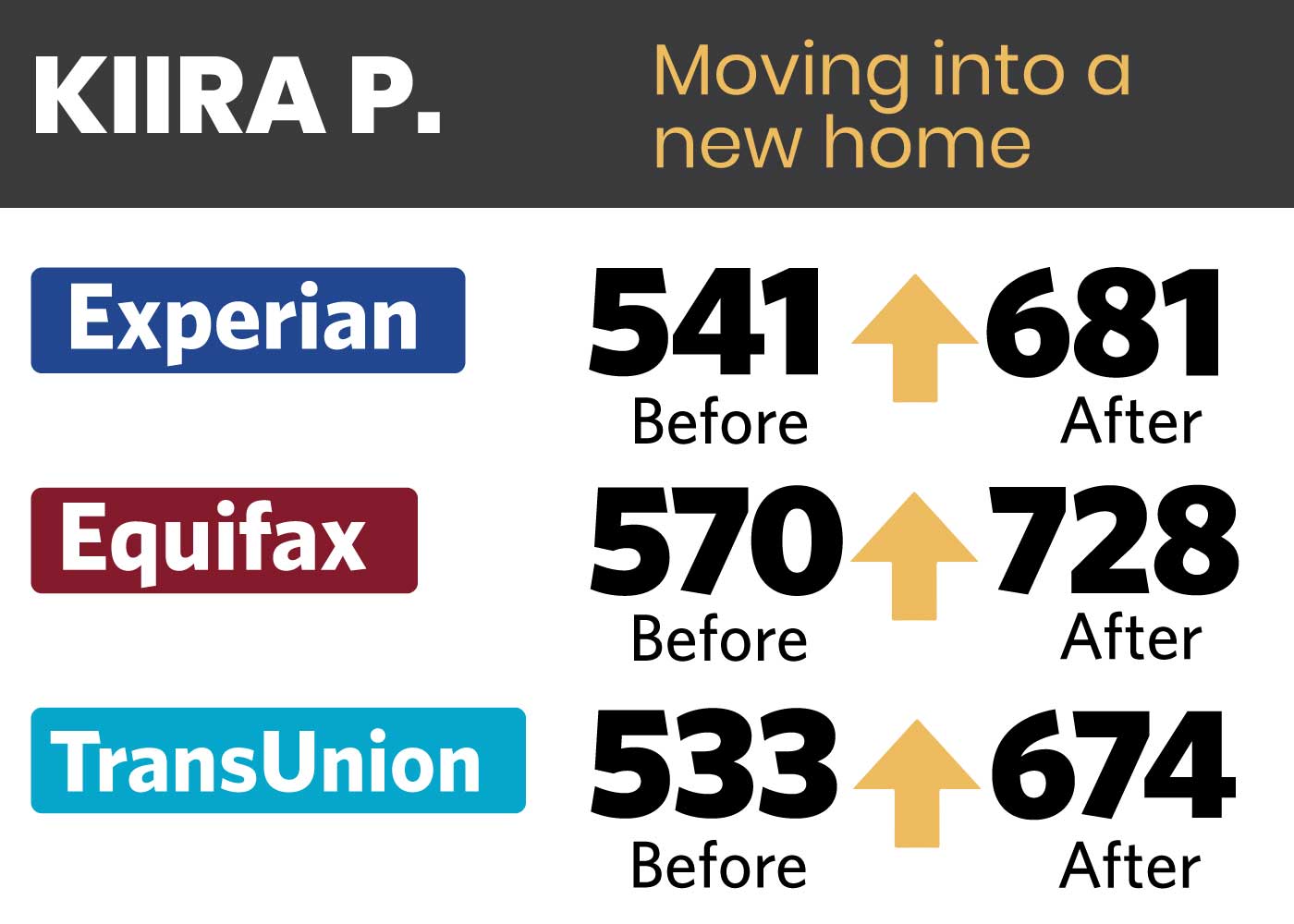
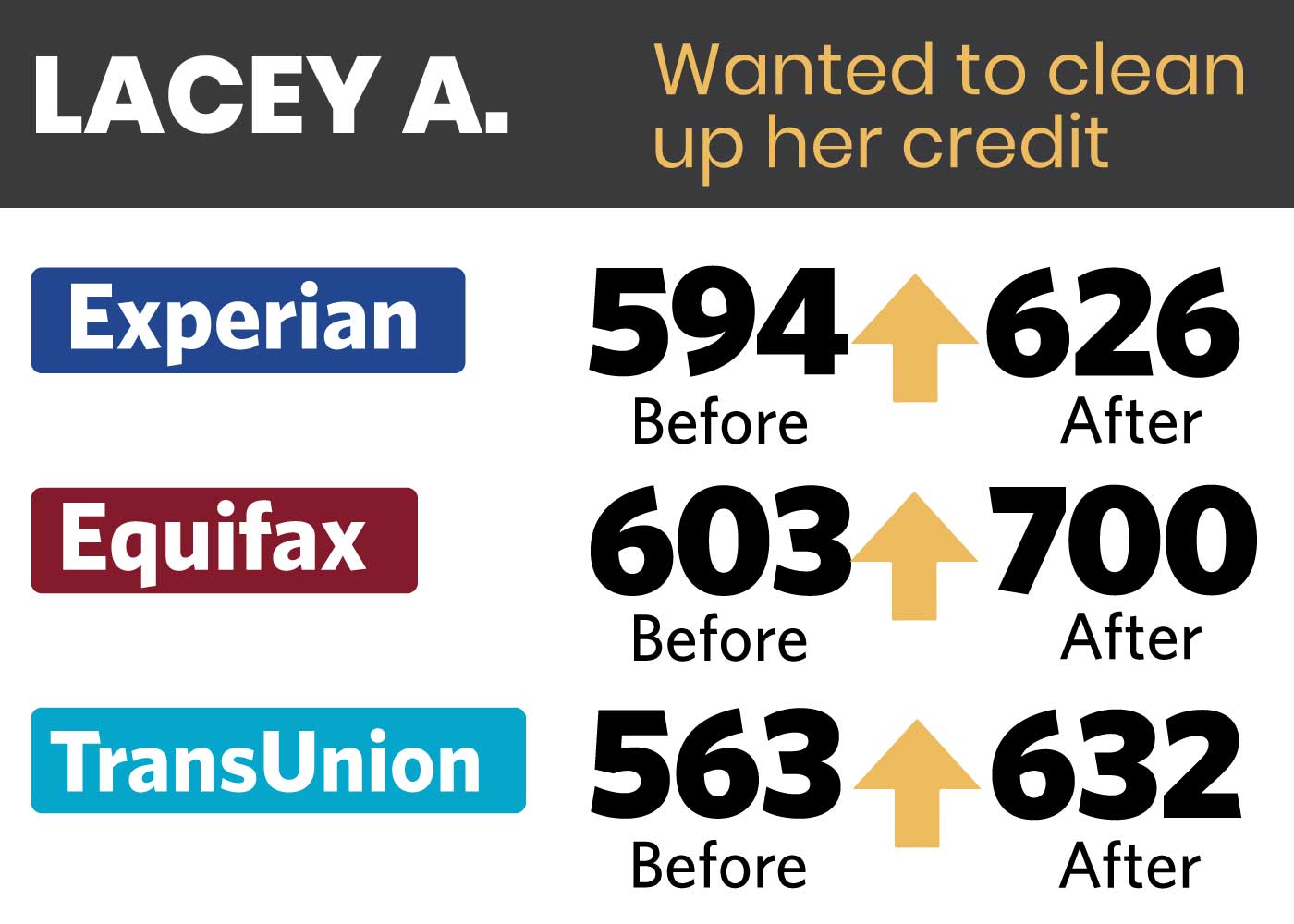
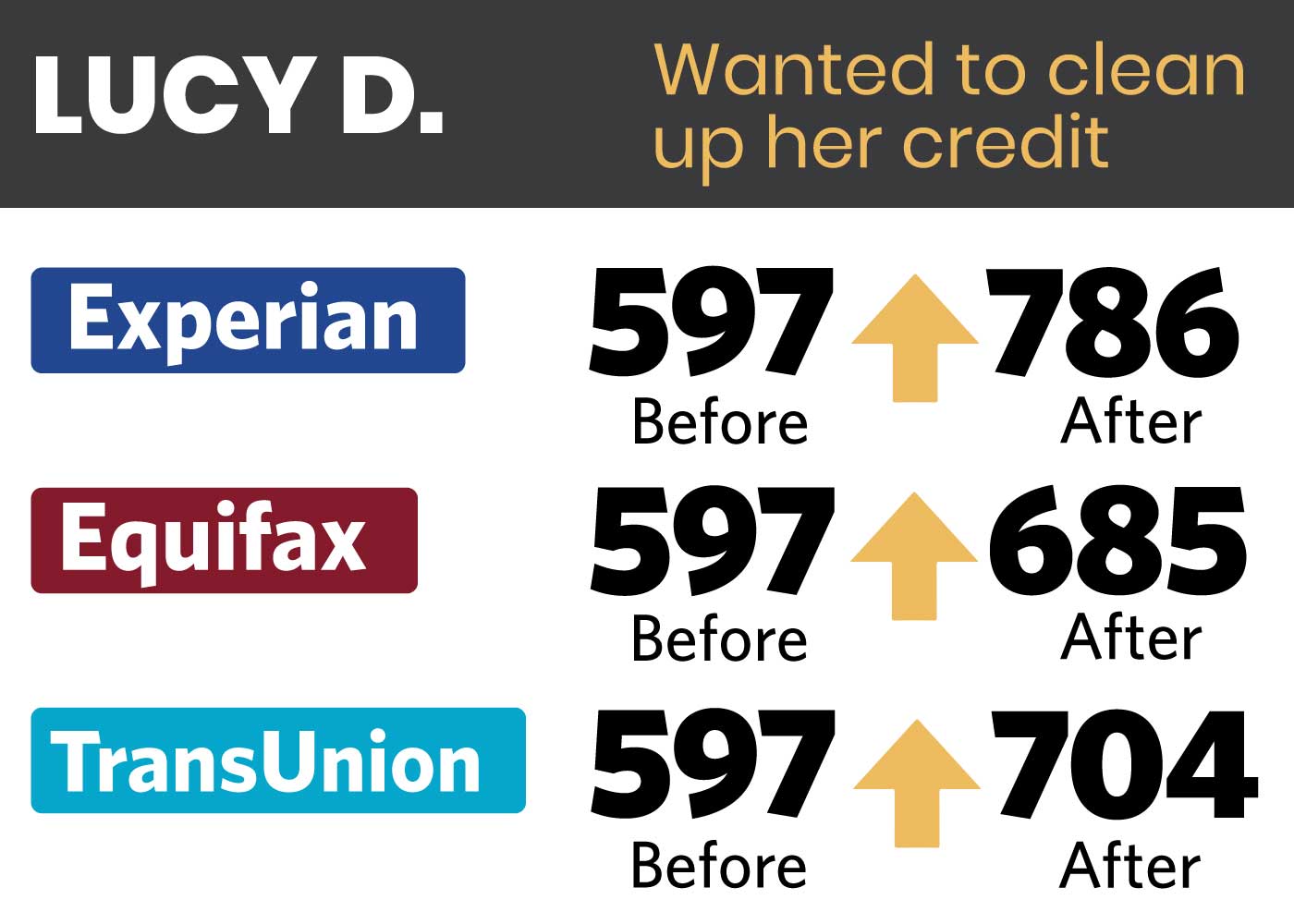
Wisconsin’s credit repair experts
With its festivals, countless water slides, and rich history, Wisconsin is undoubtedly a Midwestern gem. Sometimes the tide turns though and an unexpected event like job loss, divorce, or medical emergency, can leave you high and dry with no hope in sight. You may be a good fit for the best credit repair Wisconsin has to offer.
If that rings a bell and you’ve been stuck with a far-from-perfect credit for some time, we’ve got some good news for you. There are ways to improve your credit and build a positive credit history and our superpower lies in just that!
We have engineered a unique 4-round process to give everyday ‘Sconnies like you the best chance at improving your credit score without the stress, time, and resources needed when doing it on your own.

Are these services effective?
The answer depends on many factors, but the most important ones are: 1) your specific situation and 2) the type of service you are hiring.
The most common credit restoration practice is to send random dispute letters for a monthly fee for an indefinite amount of time (and therefore an indefinite sum of money!). This means that by the time you get results – if you get any – you will have spent precious days, even months, and money instead of moving forward.
WJA is an aggressive alternative to this old – and highly ineffective – way of doing credit repair. We will hear your story and come up with the best solution for you. During our first meeting, we will do a full assessment of your credit report and if the program is suitable for you, we will outline an action plan and a realistic timeline so you know precisely what your chances are and when to expect results. This way you can stop worrying and putting all your great plans on hold.
Why has my credit rating gone down?
Every time your creditor reports any negative information to the credit reference agencies, your credit score can go down. This information can include items such as late payments, bankruptcy filings, charge-offs, incorrect profile information, late payments, foreclosures, fraud, and identity theft.
Is it legal to dispute a negative item?
Sometimes these items are reported by mistake and it is your right to dispute any inaccurate information that appears on your report. That’s why credit repair in Wisconsin is a fully legitimate service protected under federal law. These laws include but are not limited to the Fair Credit Reporting Act (FCRA), Fair Debt Collection Practices Act (FDCPA), Fair Credit Billing Act (FCBA), Fair and Accurate Credit Transactions Act (FACTA), and HIPPA laws.
All of this means that you have the legal right to dispute errors with the credit bureaus (Equifax, TransUnion, and Experian), and you can even try to do this on your own. However, it is often a tedious journey fraught with legal pitfalls and stall tactics. You need a team of experts who know how the bureaus operate and how to effectively counter their tactics, and that’s what WJA provides.
How our unique credit repair process in Wisconsin works
WJA offers a no-nonsense approach to credit repair. We know that the credit landscape is ever evolving and our 4-round process is designed to counter even the novel stall tactics. Here’s how it works:
We start by pairing you with one of our credit experts who will go through your credit report, identify possible outcomes, and let you know how long the process will take. Our investigative research (IR) team will take it from there, outlining an action plan and going directly after your creditors. They will be in charge of communicating with them, by conducting audits and crafting tailored and up-to-date replies which is why we usually recommend to our clients to send any postal mail to our office.
With each stage of the process, the IR team puts more pressure on the creditors to show proof that they have the right to report a negative item. If they are unable to back it up, they are required to remove the item. This strategy is highly effective, with most of our clients seeing results on their reports as early as 45-60 days after entering the program. Overall, the program can last a maximum of 6 months.
What really sets us apart from other Wisconsin credit repair companies
We may pride ourselves on our unique approach but we are flexible enough to tailor it depending on your situation. Your story is what really sets us apart and we always adapt our method to get you the best possible results. This means you won’t pay for generic dispute letters but for a custom plan that’s proven to work. And the way it works is that we don’t just dispute your creditors but go to the heart of the problem and directly audit them.
But there’s more. Throughout the whole process, you and your personal credit analyst will work on building a positive credit history. Every financial decision is important in the long run and we will put all our expertise into practice to help you prepare for the best financial future possible.
Let’s get started
If you’re here, then you’ve already made your first steps towards a better financial life. The next step is reaching out to schedule a consultation with one of our experienced analysts. During this free consultation, you will learn whether the program can be applied to your specific situation and how we can best help you. Proven, transparent, and aggressive approach to credit repair at your fingertips. Reach out now if you want to learn more!
Click to rate this post!
[Total: 0 Average: 0]
Top Rated Credit Repair
Wisconsin
Five star reviews
With thousands of happy clients on Google, Facebook, TrustPilot, and more, you won’t find a stronger reputation
Customized Plan
We don't just send out dispute letters like other companies. We customize our approach with personalized audits for maximum results.
One on One
You'll work with the same credit expert for the duration of the program. They will update you, coach you, and answer your questions.
Attorney Managed
Our attorney-managed, 4-round process is personalized for each client by an Investigative Research team, all at a reasonable cost.