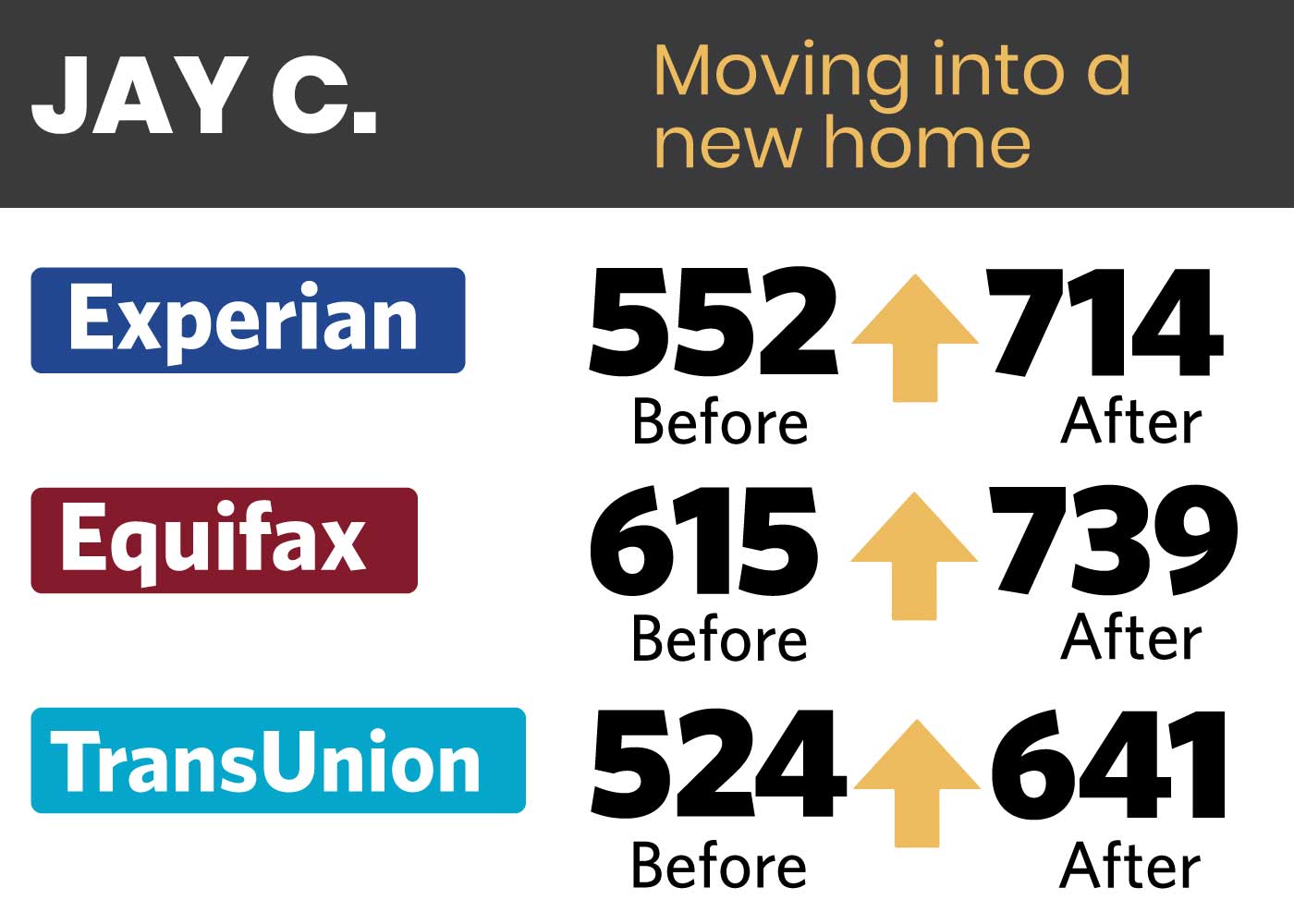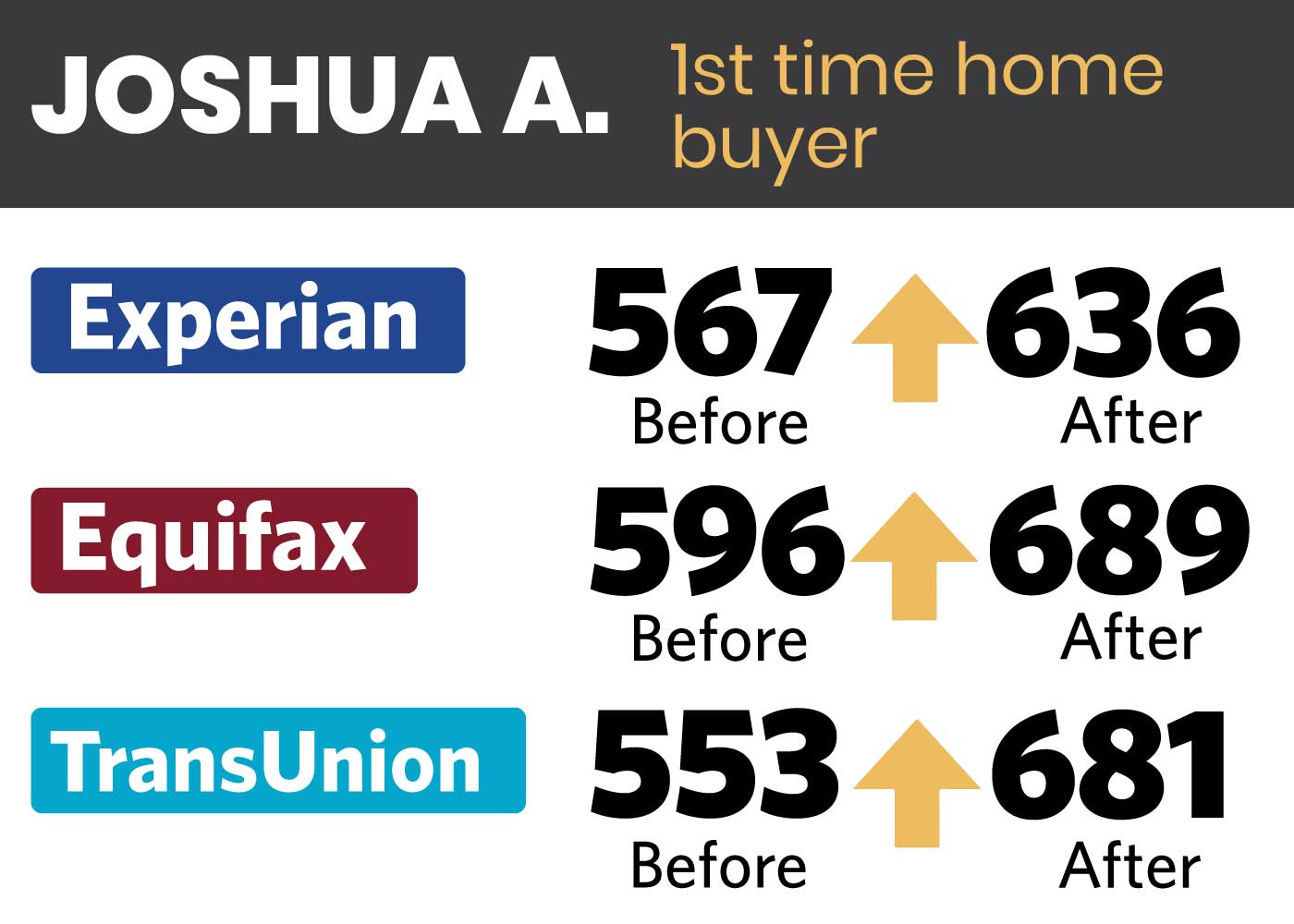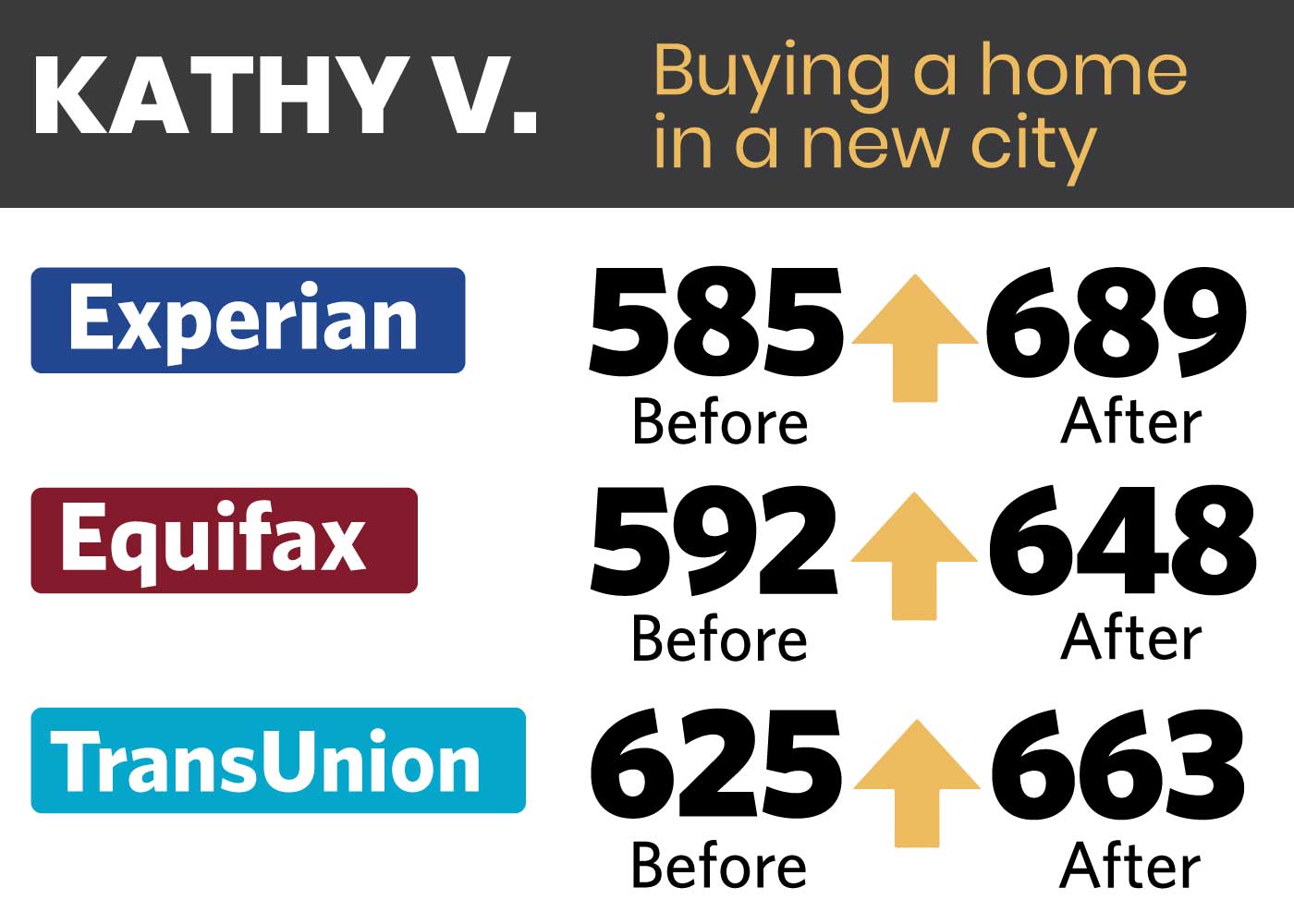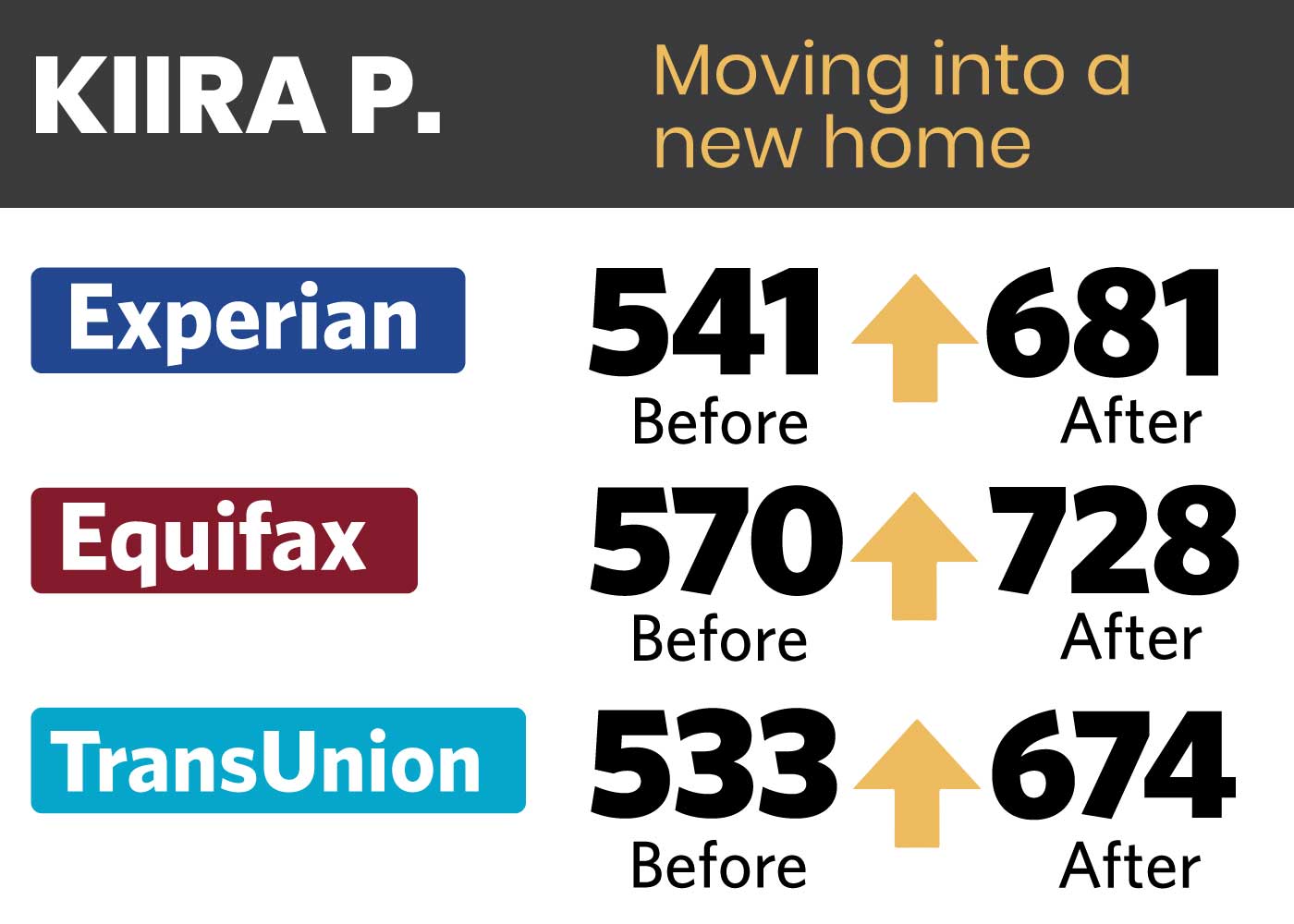
Credit Repair in Michigan

Here is what credit repair actually does: it finds items on your credit reports that are inaccurate, outdated, or unverifiable and disputes them with the bureaus and creditors who reported them. When disputes succeed, those items come off. What it cannot do, for anyone, is erase a negative that is accurate, current, and verifiable. That limitation is built into federal law. A company that promises otherwise is either misinformed or being dishonest, and either way it’s worth walking away from.

White Jacobs & Associates operates under attorney supervision and runs your file through up to four targeted rounds, each aimed at the specific creditors showing up on your report. One dedicated credit analyst is assigned to you from the start. They read your report, lay out what’s actually disputable, and stay in contact as the program moves forward. The Investigative Research team carries out the rounds themselves. See the full program overview for more detail.

credit repair Michigan

Michigan lands almost exactly at the national credit score average, which sounds neutral until you realize it means a large portion of residents are dealing with real credit challenges. Add a Metro Detroit housing market that jumped over 13 percent in a single year, and the cost of a weak credit file goes up fast.

What the numbers say about credit in Michigan

Michigan’s average FICO score comes in around 719, putting it just above the national average of 715, according to Experian. That middling position in the national rankings is telling. Unlike states that cluster at the top or bottom, Michigan sits in a range where individual variation is wide and where a handful of negative items can mean the difference between qualifying for a mortgage and being turned away.

Your score is primarily a function of two things: whether you pay on time and how much of your available credit you’re carrying as a balance. Missed payments hit fast and linger for years. Running credit card balances above 30 percent of your limit drags down your score even if you never miss a payment. Those two factors account for roughly two-thirds of what any scoring model is measuring.

Michigan consumer debt

Michigan credit card balances run close to the national average of $6,730 (Experian, Q3 2024). Auto debt is the more distinctive story here. Michigan has historically posted some of the lowest average auto loan balances in the country, a pattern Experian has tracked for years, likely tied to the state’s deep familiarity with the auto industry and more conservative vehicle financing habits. The national average auto balance hit $24,297 in 2024. Despite lower average balances, auto loan delinquencies and vehicle charge-offs are among the most frequently reported problems we see on Michigan files, particularly in the Detroit metro and surrounding counties.

The housing market raises the stakes on your score

Statewide, Michigan’s median home price was around $255,000 in 2024, comfortably below the national median and still among the more affordable markets for a state with major metros. Metro Detroit is where affordability tightens considerably. The regional median sale price crossed $321,000 by December 2024, a year-over-year gain of more than 13 percent, according to RE/MAX of Southeastern Michigan. Oakland County median prices reached $373,000. For buyers trying to get into that market, a score below the qualifying threshold is a hard stop.

MSHDA, Michigan’s state housing finance authority, sets the floor at a 640 credit score for its MI Home Loan program on most property types, and 660 for manufactured housing. Qualifying buyers can access up to $10,000 in down payment assistance as a 0% deferred loan. A newer pilot program for first-generation homebuyers offers up to $25,000. Falling short of 640 means none of those programs are available, and that threshold is specifically what a number of Michigan clients come to us working toward.

Common credit problems we see with Michigan clients

Every file is different, but a few categories appear repeatedly across the Michigan reports we review.

Collections and charge-offs

Vehicle loan charge-offs, hospital and medical collections, and past-due utility accounts are the ones we see most often. Any of those can be a legitimate dispute target if they’re being reported with the wrong balance, wrong date, wrong status, or appearing under an account you don’t recognize. The Investigative Research team goes through collections and charge-offs one creditor at a time, building each challenge around the specific problem rather than sending form letters.

Late payments

Seven years is how long a legitimate late payment stays on a report. When a late is posted to the wrong account, assigned the wrong date, or counted twice across multiple reporting entries, those are disputable errors. Our late payment strategy works through these individually, not in batches.

Yes. The right to dispute inaccurate credit reporting is established in federal law and applies to every consumer in every state. You do not need to pay anyone to exercise it.

The federal statutes that structure this area:

  • FCRA (Fair Credit Reporting Act): obligates bureaus to investigate disputes and fix or remove items that can’t be verified
  • FCBA (Fair Credit Billing Act): covers billing errors on revolving credit accounts
  • FDCPA (Fair Debt Collection Practices Act): defines what third-party collectors are and are not allowed to do
  • CROA (Credit Repair Organizations Act): sets rules for what credit repair companies can promise and charge for
  • FACTA (Fair and Accurate Credit Transactions Act): established the right to a free annual credit report from each of the three major bureaus


White Jacobs will not attempt to remove information that is accurate, current, and verifiable. That’s not a legal gray area; it’s a firm boundary. The Investigative Research team works the other side of that line: items with factual errors, accounts reported under wrong dates, debts that can’t be substantiated by the creditor, entries that don’t match across bureaus. Those are the disputes that can stick.

Disputing on your own is free. The FTC walks through how at consumer.ftc.gov. The value of working with an experienced firm is in the methodology, the documentation, and knowing where the actual disputable errors are before sending anything.

Michigan credit and debt laws worth knowing

The following is general educational information, not legal advice. If you have an active collection lawsuit, a judgment against you, or a garnishment in progress, talk to a Michigan-licensed attorney before doing anything else.

Written contracts

Michigan sets a six-year statute of limitations on written contracts under MCL 600.5807(8). The clock typically starts from the date of your last payment or the date the account went into default. Once six years have passed, a creditor can still try to collect, but a lawsuit filed after that window is generally unenforceable if you raise the defense.

Open accounts

Most credit card debt in Michigan falls under the same six-year window via MCL 600.5807(8), treated as open account claims. There is a meaningful exception worth knowing: when a credit card transaction is characterized as a sale of goods, Michigan courts have sometimes applied a four-year limit under MCL 440.2725 of the Uniform Commercial Code. How a specific creditor or debt buyer frames the claim can affect which period applies. The Michigan Attorney General’s Consumer Protection Division handles complaints against collectors and is a useful starting point if you’re being contacted about an old account. For anything involving a specific debt decision, get a Michigan consumer attorney involved.

Wage garnishment

For most consumer debts in Michigan, a creditor has to win a court judgment before garnishment can begin, then wait an additional 21 days before requesting a writ. The garnishment ceiling mirrors federal law: the lesser of 25 percent of disposable earnings or the amount by which weekly take-home pay exceeds 30 times the federal minimum wage. Social Security and most other federal benefit income is generally protected, though you may need to affirmatively claim that exemption before a court.

Educational information only, not legal advice. If you are facing a lawsuit or an active garnishment order, contact a licensed Michigan attorney before responding or making any payments. A payment on a time-barred debt, or even a written acknowledgment of it, can reset Michigan’s six-year clock and revive a creditor’s right to sue.

How White Jacobs works your file

The credit analyst assigned to you handles all communication throughout the program. They pull apart your report, explain what each item is and whether it’s disputable, and keep you updated as rounds complete. If you have questions between updates, they’re the person you reach.

The Investigative Research team runs the actual dispute process. They prepare the challenges, track what comes back from bureaus and creditors, manage the documentation across rounds, and know the mechanics of how this works at a granular level. The analyst communicates; the Investigative Research team executes.

Under attorney supervision, the program moves through up to four rounds over a period of months, shaped around what’s specifically on your file. Most clients see measurable changes within the first 45 to 60 days. The majority complete the program within six months, though that depends on file complexity and how creditors respond. The process page covers everything in detail.

credit repair Michigan

Questions Michigan residents ask us

How long does credit repair take in Michigan?

Six months or less for most clients, with something to show usually by day 45 to 60. That said, a file with ten creditors and mixed response times takes longer than one with two clearly disputable items. The program is structured to finish, not to run indefinitely.

Can you remove accurate negative items from my report?

No one can, and the CFPB confirms this in their own guidance. Accurate, current, verifiable information sits on your report for its full reporting period, period. Our entire process is built around finding the items that don’t fit that description.

What credit score do I need to buy a home in Michigan?

MSHDA’s MI Home Loan requires 640 for most purchases (660 for manufactured homes). Conventional financing generally starts at 620, with meaningfully better terms above 720 to 740. In Metro Detroit, where median prices now exceed $320,000 in the broader region, the interest rate spread between a 650 and a 730 score over a 30-year loan is not a rounding error.

Is my old debt past Michigan’s statute of limitations?

Six years is the baseline under MCL 600.5807(8), running from the date of last activity on the account. But two things can complicate that: if a creditor already obtained a judgment, they have 10 years to enforce it and can renew it. And if a credit card debt is characterized as involving the sale of goods, MCL 440.2725 may shorten the window to four years. Whether your specific debt is time-barred is a question for a Michigan consumer attorney, not a general rule of thumb.

Do I have to hire anyone to fix my credit?

No. The bureaus are required by federal law to accept and investigate disputes you file yourself, free of charge, through AnnualCreditReport.com or directly with each bureau. What you’re paying for with a firm like White Jacobs is a structured program run by people who do this every day, backed by attorney supervision and a dedicated research team.

What does it cost?

We don’t quote fees on state pages. The program is priced around your file, not a flat monthly rate with no end date in sight. We cover all of that in the free consultation once we’ve reviewed your actual report. Set up that call here.

Who Michigan credit repair is for, and who it isn’t

We turn people away when the program isn’t the right fit. That’s worth saying plainly before you spend time on a call.

The program is likely a fit if you:

  • – Have items on your report you believe are wrong, outdated, or not yours, and haven’t been able to get them resolved on your own
  • – Are six to twelve months out from a mortgage application and need to move a score above a qualifying threshold
  • – Have several creditors reporting against you and want a documented, multi-round process rather than one-off letters
  • – Filed disputes before, got back “verified” notices, and never received a clear explanation of how the verification was done


It’s probably not a fit if you:

  • – Have a clean report or one where every negative entry is accurate, current, and confirmed. There’s nothing to dispute there, and we’ll tell you that directly
  • – Need immediate relief from debt you can’t pay. That situation calls for debt settlement or a conversation with a bankruptcy attorney first
  • – Want a guaranteed score target or a specific point increase in writing. No ethical firm can offer that, and the ones that do should raise concerns


If we review your file and the math doesn’t add up to meaningful improvement, we’ll say so and you won’t owe us anything for the consultation.

The team behind this page

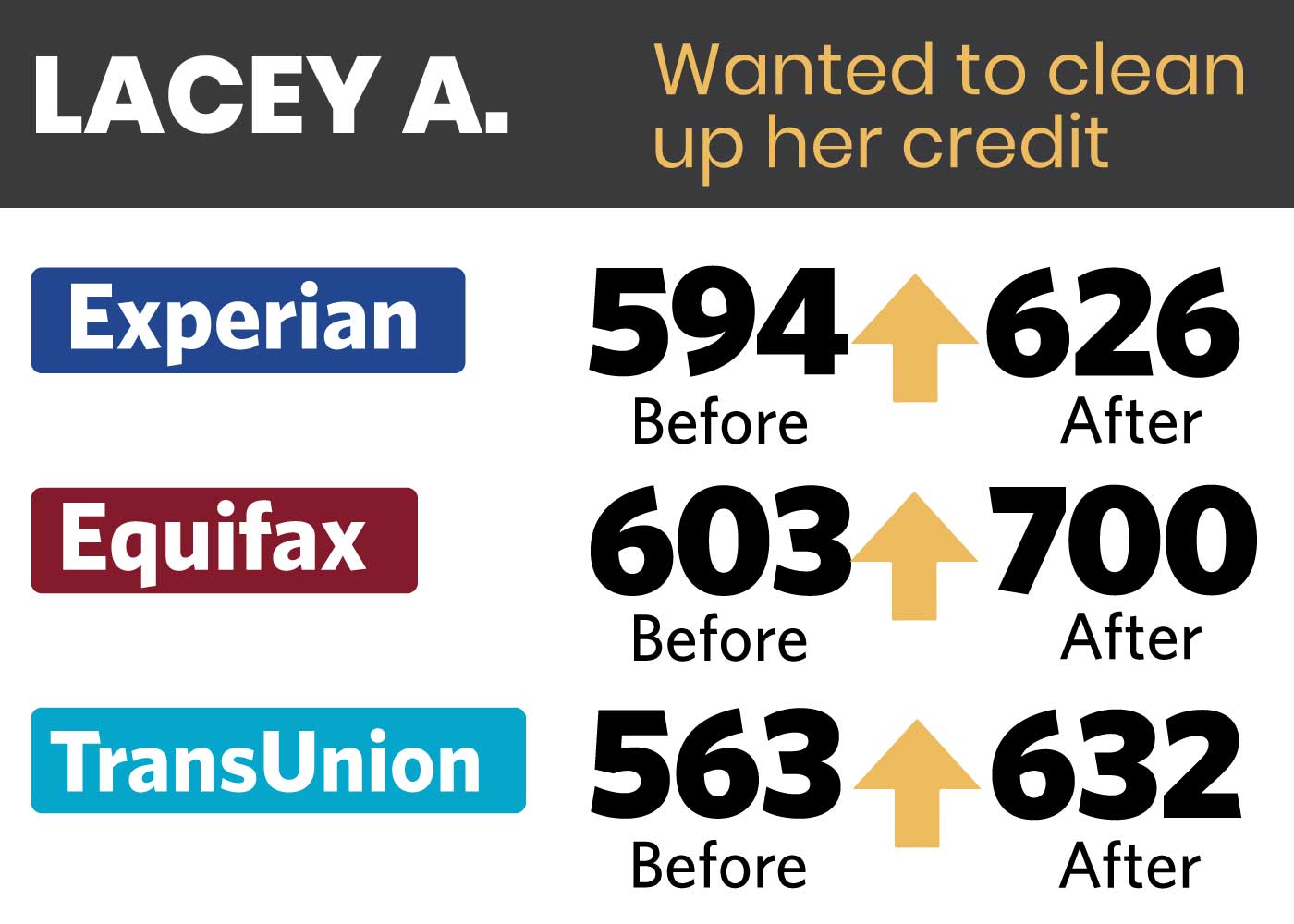
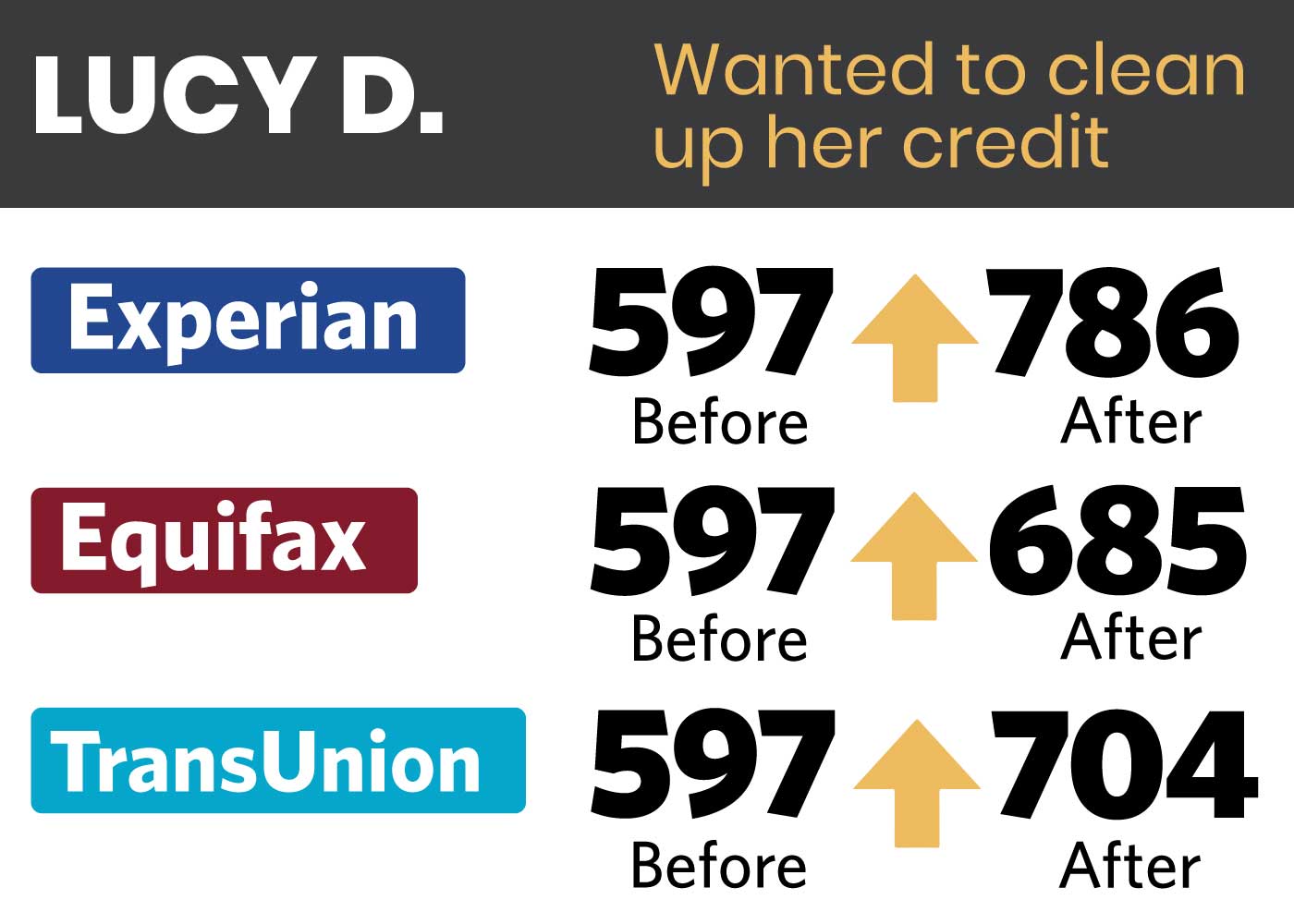
White Jacobs & Associates is attorney-managed from intake through completion. Attorney supervision runs through the entire program, not just the intake phase. The Investigative Research team handles the dispute work. Your assigned credit analyst stays with you through the full program. The staff page has more on the team, and the results and reviews page shows documented outcomes from real clients.

Michigan residents who need to file a complaint against a debt collector or want information on their consumer rights under state law can contact the Michigan Attorney General’s Consumer Protection Division by phone at 877-765-8388 or online through their complaint portal.

Book a Free Consultation

The consultation costs nothing, takes a look at your actual report, and gives you a straight answer on what we see and whether we can help. We’re easy to talk to. Start here.

Important disclosures

White Jacobs & Associates is a credit repair organization as defined under the Credit Repair Organizations Act (CROA), 15 U.S.C. § 1679 et seq. You have the right to dispute inaccurate information in your credit report directly with the credit reporting agencies at no cost.

We do not remove accurate, current, and verifiable information from credit reports. All services are provided under a written contract, and you have the right to cancel that contract within three business days of signing, without penalty or obligation. White Jacobs does not provide legal advice. Credit outcomes vary, and no specific credit score increase or result of any kind is guaranteed.

White Jacobs and Associates provides credit-related assistance services designed to help consumers review credit reports and prepare disputes when appropriate. Consumers may dispute credit report information directly with credit bureaus at no cost. We are a remote service delivered from Plano, TX for eligible residents of most states nationwide in the US.

Schedule your Free Consultation & Analysis

We protect your privacy. Your information is not shared with third parties.

  • This field is for validation purposes and should be left unchanged.
  • This field is hidden when viewing the form

By submitting this form, you agree to receive texts from White Jacobs and Associates. Ongoing communication before, during, and after the program will be initiated by our credit analysts and their assistants. Msg & data rates may apply. Msg frequency varies. Unsubscribe at any time by replying STOP or clicking the unsubscribe link (where available). Privacy Policy