
White Jacobs & Associates is Nationwide
We change lives
in West Virginia
Located Near You
Click a city below to get started
Don't see your city? We can probably still help!
Schedule your Free Consultation & Analysis
We protect your privacy. Your information is not shared with third parties.
By submitting this form, you agree to receive texts from White Jacobs and Associates. Ongoing communication before, during, and after the program will be initiated by our credit analysts and their assistants. Msg & data rates may apply. Msg frequency varies. Unsubscribe at any time by replying STOP or clicking the unsubscribe link (where available). Privacy Policy
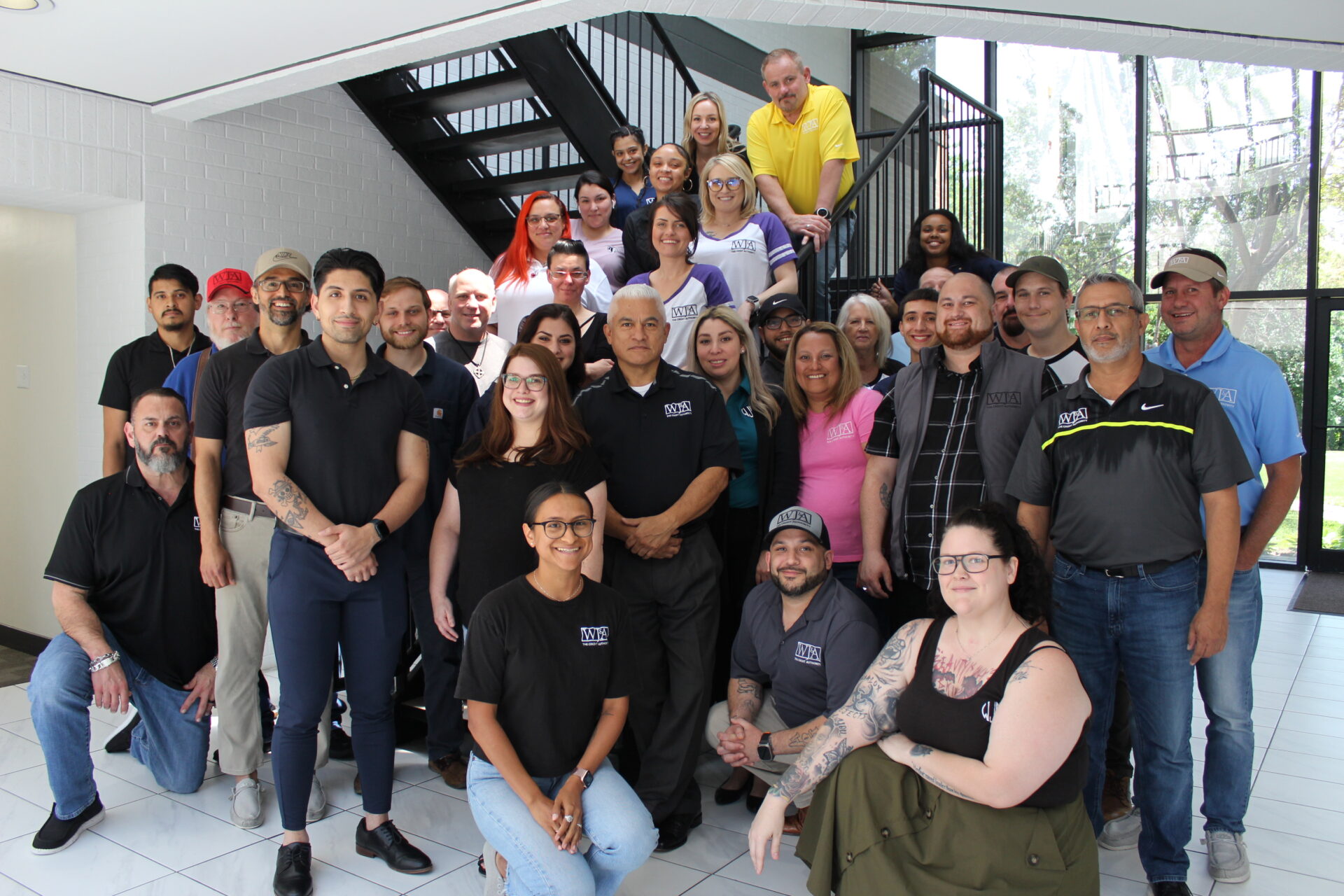
Meet the team
How We're Different
See what our customers are saying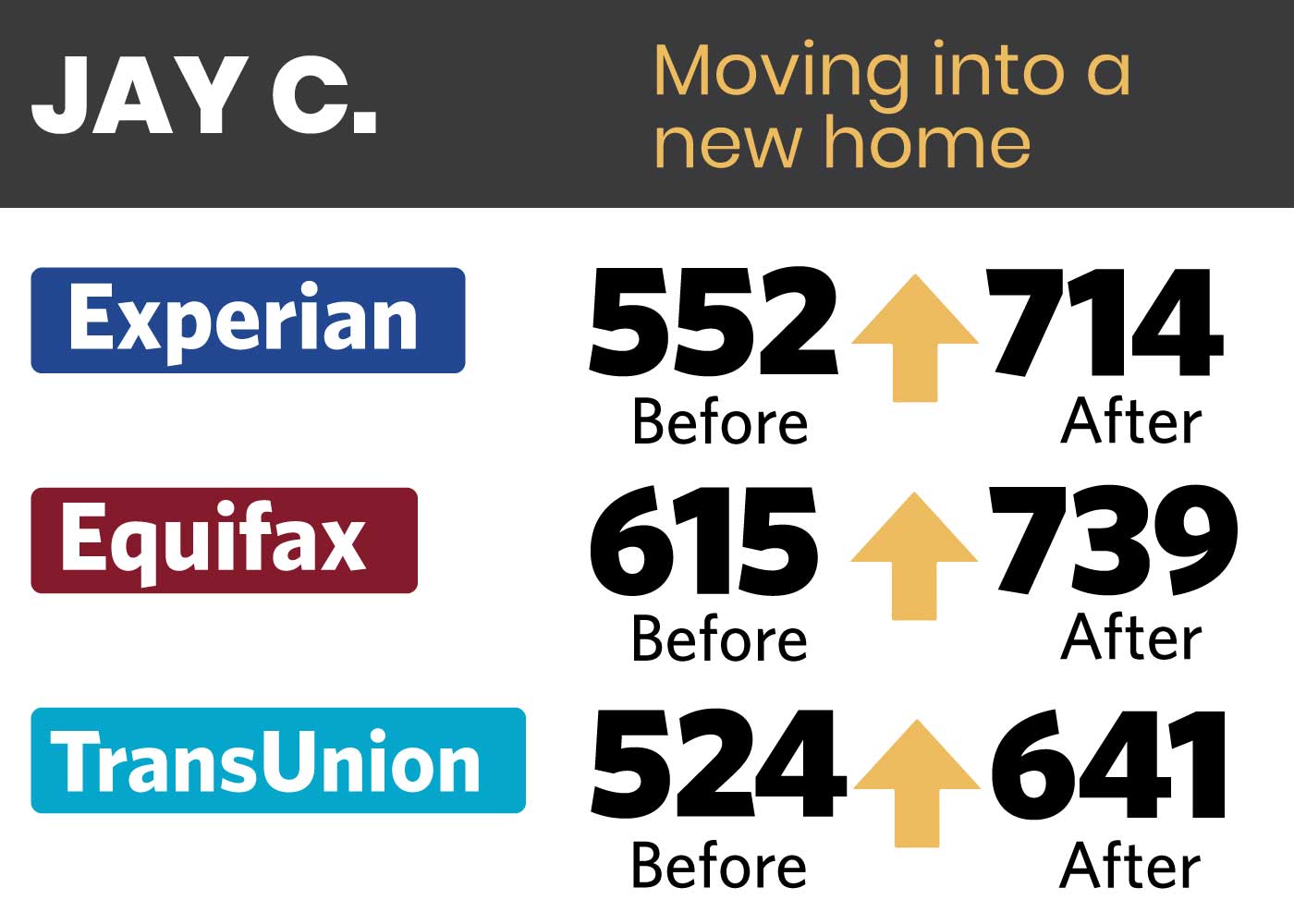
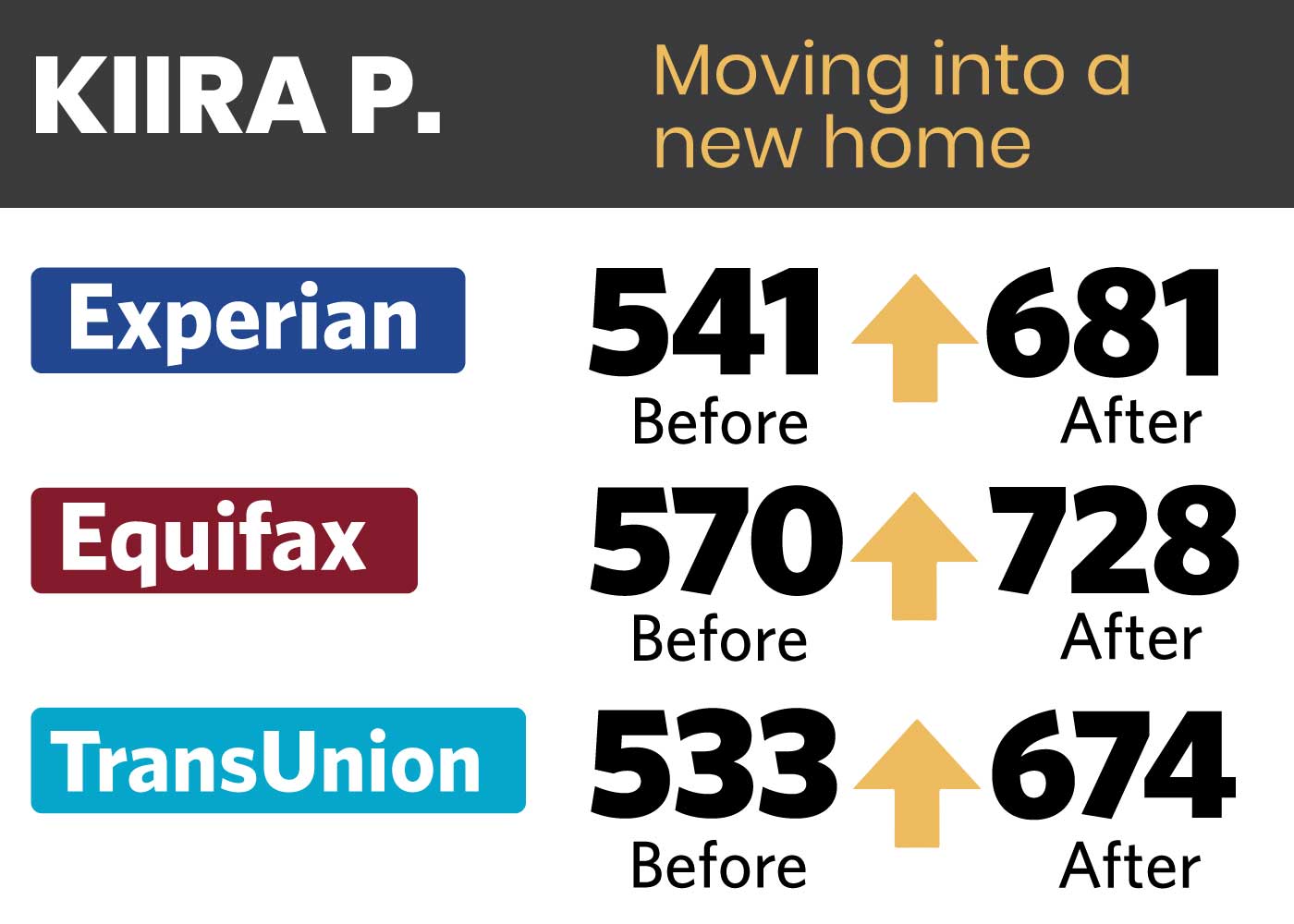
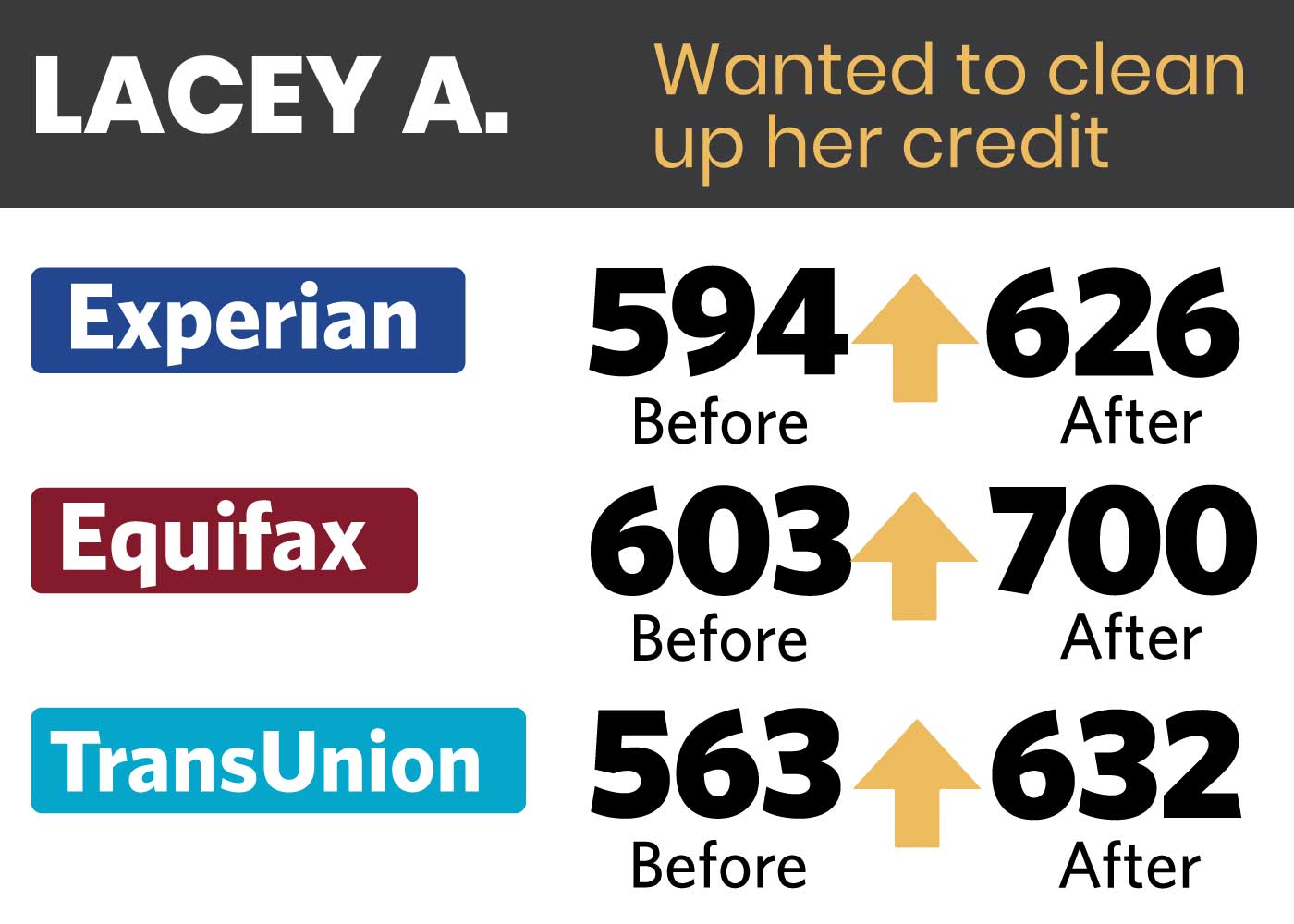
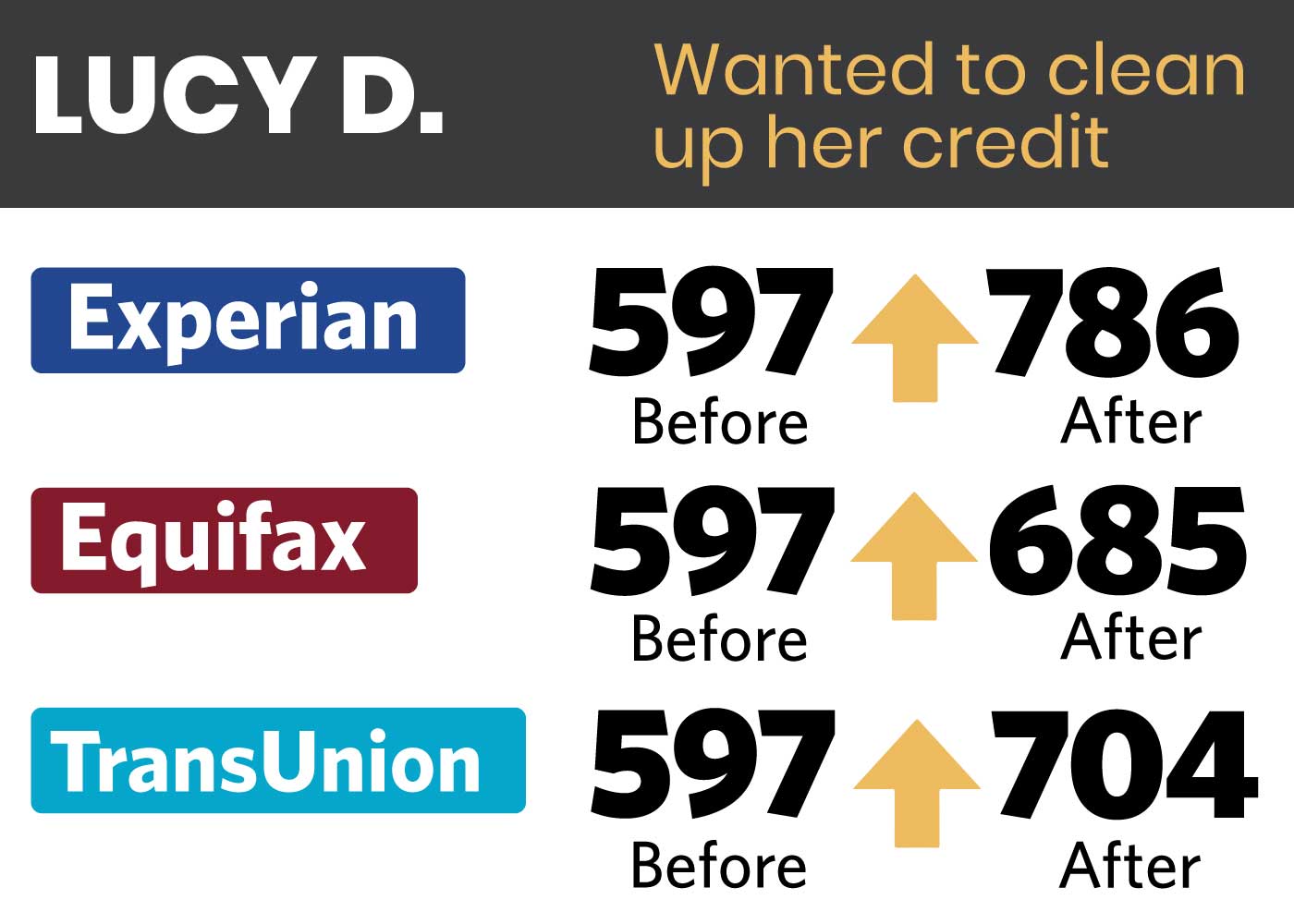
WE CHANGE LIVES IN WEST VIRGINIA
West Virginia is the “Mountain” state, and when you’re applying for a loan with bad credit – it’s a tough mountain to climb. A great credit score can get you to the summit. If your current credit score has some blemishes from the past, your score will reflect that. A less-than-great credit score can cost you tens of thousands of dollars in interest. Fortunately, the team at White Jacobs and Associates has the right climbing gear to get you on track. The best West Virginia credit repair is here to help you improve your credit report.
WJA is comprised of experience credit analysts and an Investigative Research (IR) team. We’re the innovators in the industry, and our aggressive and personalized approach to credit repair makes us the clear choice over other traditional companies that are engaging in the stale, repetitive dispute tactics. A better way does exist – a faster and more effective approach to credit repair.
You landed at not-so-great credit due to difficult circumstances. It may have been a job loss, medical emergency, death in the family, divorce, or perhaps a string of poor financial decisions. These situations happen to everyone at some point in their lives. There’s no shame in this. Your current credit score probably does not reflect the financially responsible person that you want to be. We’d like to help you improve your credit report so that it reflects the buying power you deserve. We all should all be able to realize our big financial goals.
If you’re curious about the WJA mission, you can read more about it here. The bottom line is: we change lives through credit. We do that by removing inaccurate and derogatory items from all three of your credit reports – Experian, Equifax, and TransUnion. In addition, we guide you on adding positive credit to your credit reports. Credit restoration requires both removing negative and adding positive.
A DIFFERENT KIND OF WEST VIRGINIA CREDIT REPAIR
First and foremost, we’re super easy to talk to. We’re transparent, too. Our personalized process starts with looking at a tri-merge report (a report containing all 3 credit bureaus) and assessing your situation. We do that at no cost. And that begins when you connect with one of our analysts to talk about your situation. We’ll be glad to give you some credit coaching. If you seem like a good candidate for our program, we’ll explain how all that works too. To be clear, we do NOT enroll everyone in our program. If we don’t believe you can achieve a good level of success in our program, then we will not sign you up. We have a reputation to uphold. Your time, energy, and money are precious. We don’t want you to waste them.
In other words, you’ve got nothing to lose. All you need is a little bit of courage to take control of your situation. Why wouldn’t you want to talk to someone with experience looking at credit reports? Read more about White Jacobs & Associates and our unique and proven process here.
You have financial priorities. You want to get approved for a mortgage. You want a great interest rate. You want to benefit from the perks of good credit. However, things like collections, late payments, and lack of positive credit feel like a ball-n-chain you can’t seem to shake off. Remember, you’re from West Virginia! You have to SHOW the world what you got! Don’t let uncertainty and poor credit overshadow you.
One reason our system is so effective is that YOU play an active part in the process. But don’t worry. We will handle the all the tedious details. You just need to follow simple instructions from your credit analyst (aka credit coach). You will have the opportunity to learn from the one-on-one guidance and long-term coaching you’ll receive.
More importantly, you will experience firsthand what credit restoration can do for your score. You’ll witness the power of an investigative research team that audits the creditors that are reporting negative/inaccurate items on your report. WJA gets the best results where other companies fall short.
Although most people seek out our services because they’re trying to purchase or refinance a home, it’s not the only reason. Good credit has additional benefits that include reduced insurance premiums, employment, lower credit card interest rates, exemption from security deposits – to name a few.
BEST WEST VIRGINIA CREDIT REPAIR, LOOK NO FURTHER
West Virginia has a lot to offer, and you need to be ready to reach out and take it. From Houston to Austin, to Dallas and San Antonio, Texans are looking for their dream home in the dream neighborhood, for the much-needed new vehicle, and for better interest rates. West Virginia residents see opportunity and need business loans to become a part of the state’s growth.
HOW WE’RE DIFFERENT FROM OTHER CREDIT REPAIR COMPANIES?
Too many credit scams out there are taking advantage of your credit situation. They charge you around 100 dollars a month indefinitely. They’re unclear about the timeline of their programs because the less you know, the more they benefit – at your expense, unfortunately. Instead of giving you personalized attention, they charge everyone the same amount and put them through the same routine. This is better known as a “disputing service” which is what most companies do.
Traditional credit repair companies are sending out generic form dispute letters on their client’s behalf. That’s unfortunate because it’s ineffective, and you’re right to wonder if you’ll receive significant results. Not only that, but the negative items are likely to RETURN on your credit report because they are only being disputed at the bureau level.
HOW LONG DOES THE PROCESS TAKE?
White Jacobs & Associates will put you through a credit restoration process that will be done in 6 months. That’s it. However, it’s not uncommon to start seeing first results within as little as 45 to 60 days once we start working. That being said, if for some reason your case extends beyond this six-month timeframe, you won’t be charged anything extra.
WJA employs experienced, passionate credit analysts, and an investigative research team. From the beginning of your credit repair journey, you’ll be partnered with a credit analyst that will soon feel like your coach, and credit guide. That’s West Virginia credit repair that feels like home. You can reach out to you credit analyst anytime to get updates and ask questions.
No one wants to be routed to a “Customer Service” department. Your credit is personal, so White Jacobs & Associates takes a personal approach in every facet of the program. We get results in the short-term, but we also want you to succeed in the long-term. Even after the program ends, you can reach out and ask for guidance.
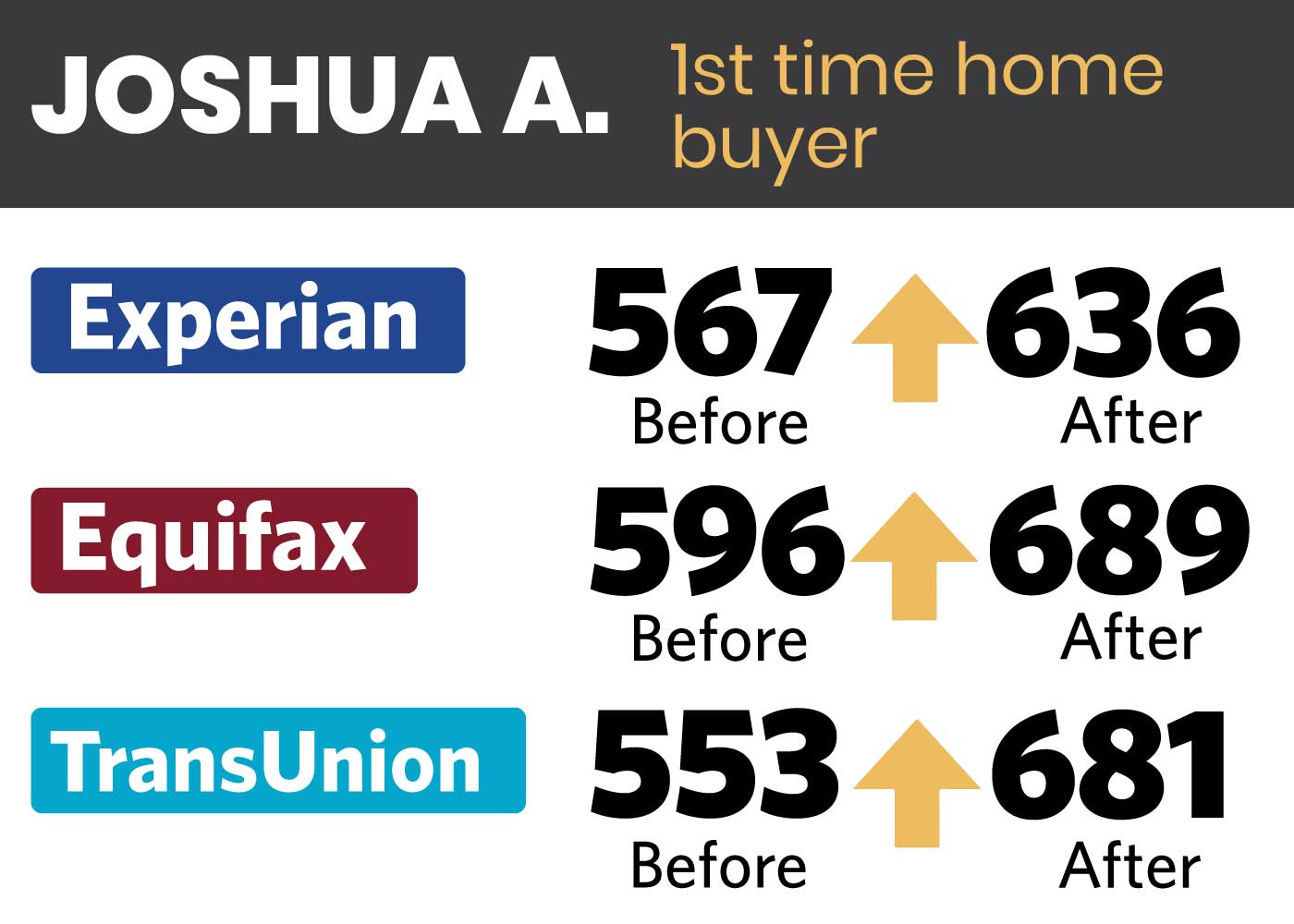
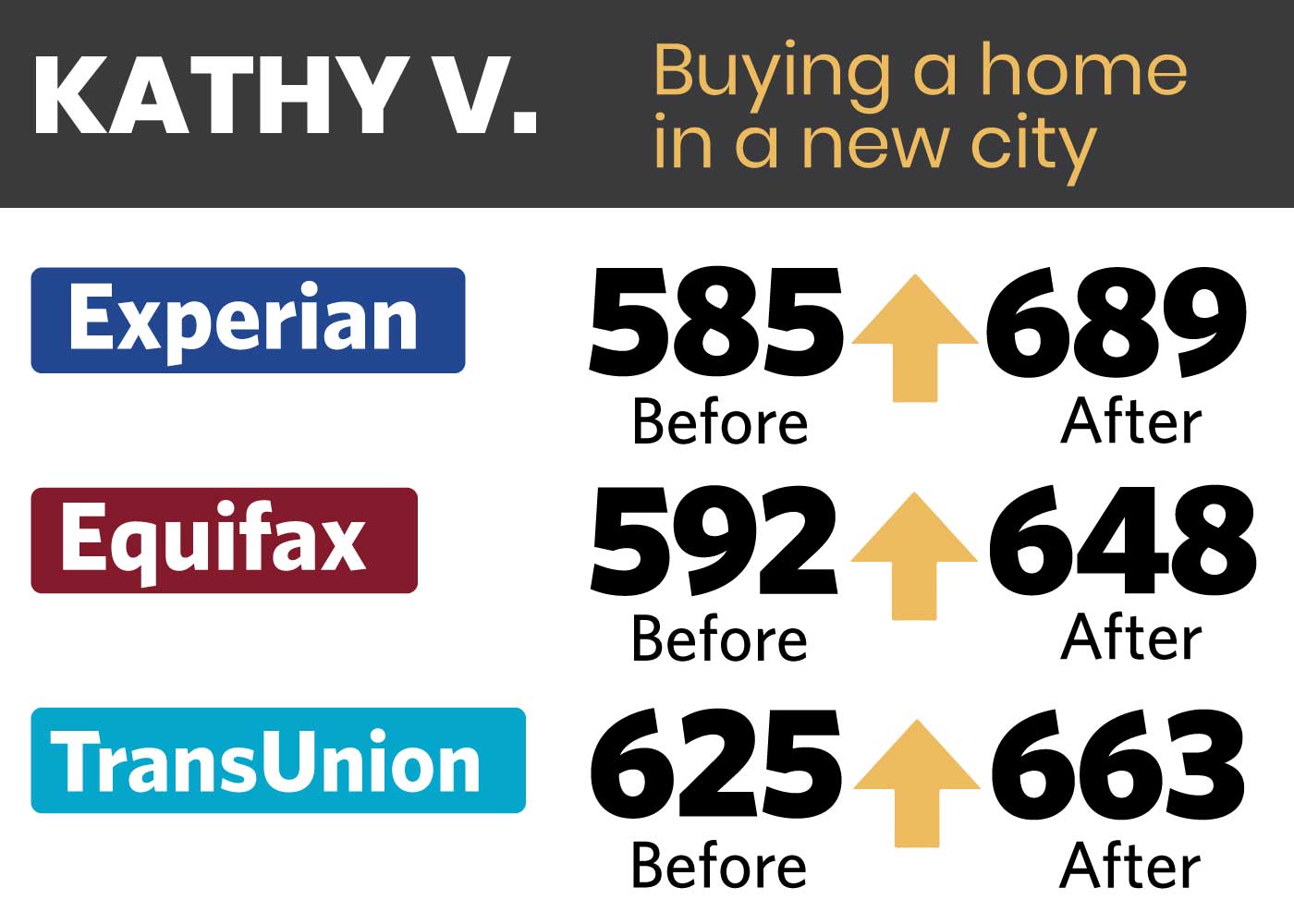
Plenty of past clients have sought to secure better interest rates, increase their credit score, and more. Read the results and reviews here. See what it means to invest in the WJA difference for yourself!
WEST VIRGINIA, YOU CAN RAISE CREDIT SCORE FOR HOME LOAN APPROVAL, REFINANCING & MORE
You need a Credit Authority on your side, and White Jacobs & Associates can be that for you today. Our clients start to see results within an average of 45 days. It’s one of the many reasons why we are the credit repair company West Virginia knows and trusts. Fix your credit to buy a home or secure a loan for another major purchase. Improve your chances for better rates and payments that will work for you.
West Virginians, if you need a little help, a financial breath of fresh air, and renewed buying power, White Jacobs & Associates could help you change all that.Reach out to WJA today.
Click to rate this post!
[Total: 0 Average: 0]
Top Rated Credit Repair
West Virginia
Five star reviews
With thousands of happy clients on Google, Facebook, TrustPilot, and more, you won’t find a stronger reputation
Customized Plan
We don't just send out dispute letters like other companies. We customize our approach with personalized audits for maximum results.
One on One
You'll work with the same credit expert for the duration of the program. They will update you, coach you, and answer your questions.
Attorney Managed
Our attorney-managed, 4-round process is personalized for each client by an Investigative Research team, all at a reasonable cost.