
Top Rated Credit Repair
Tempe, Arizona
Five star reviews
With thousands of happy clients on Google, Facebook, TrustPilot, and more, you will not find a stronger reputation. See how we are different!
Customized Plan
We don't just send out dispute letters like other companies. We customize our approach with personalized audits for maximum results.
One on One
You'll work with the same credit expert for the duration of the program. They will update you, coach you, and answer your questions.
Attorney Managed
Our attorney-managed, 4-round process is personalized for each client by an Investigative Research team, all at a reasonable cost.
Schedule your Free Consultation & Analysis
We protect your privacy. Your information is not shared with third parties.
By submitting this form, you agree to receive texts from White Jacobs and Associates. Ongoing communication before, during, and after the program will be initiated by our credit analysts and their assistants. Msg & data rates may apply. Msg frequency varies. Unsubscribe at any time by replying STOP or clicking the unsubscribe link (where available). Privacy Policy
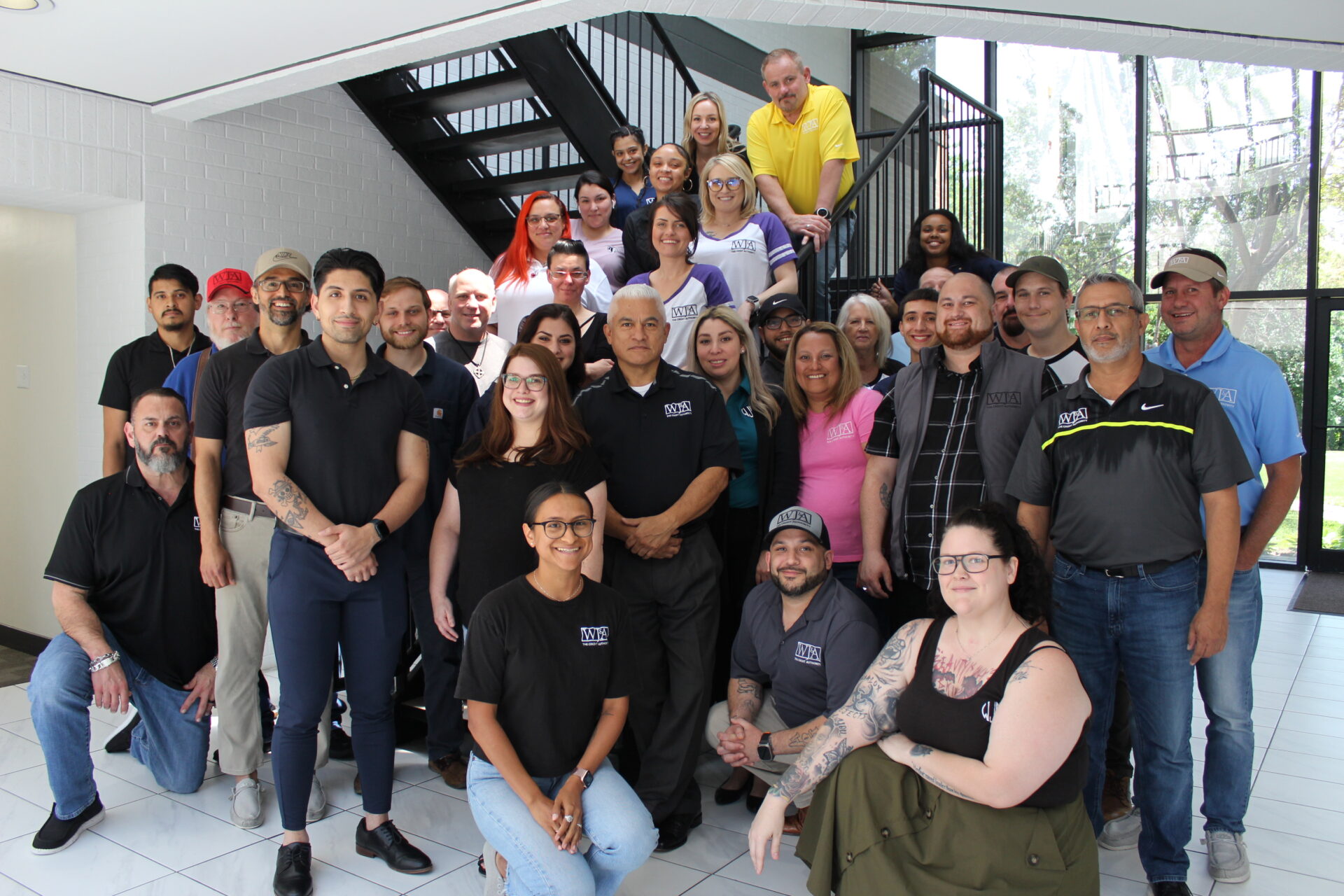
Meet the team
How We're Different
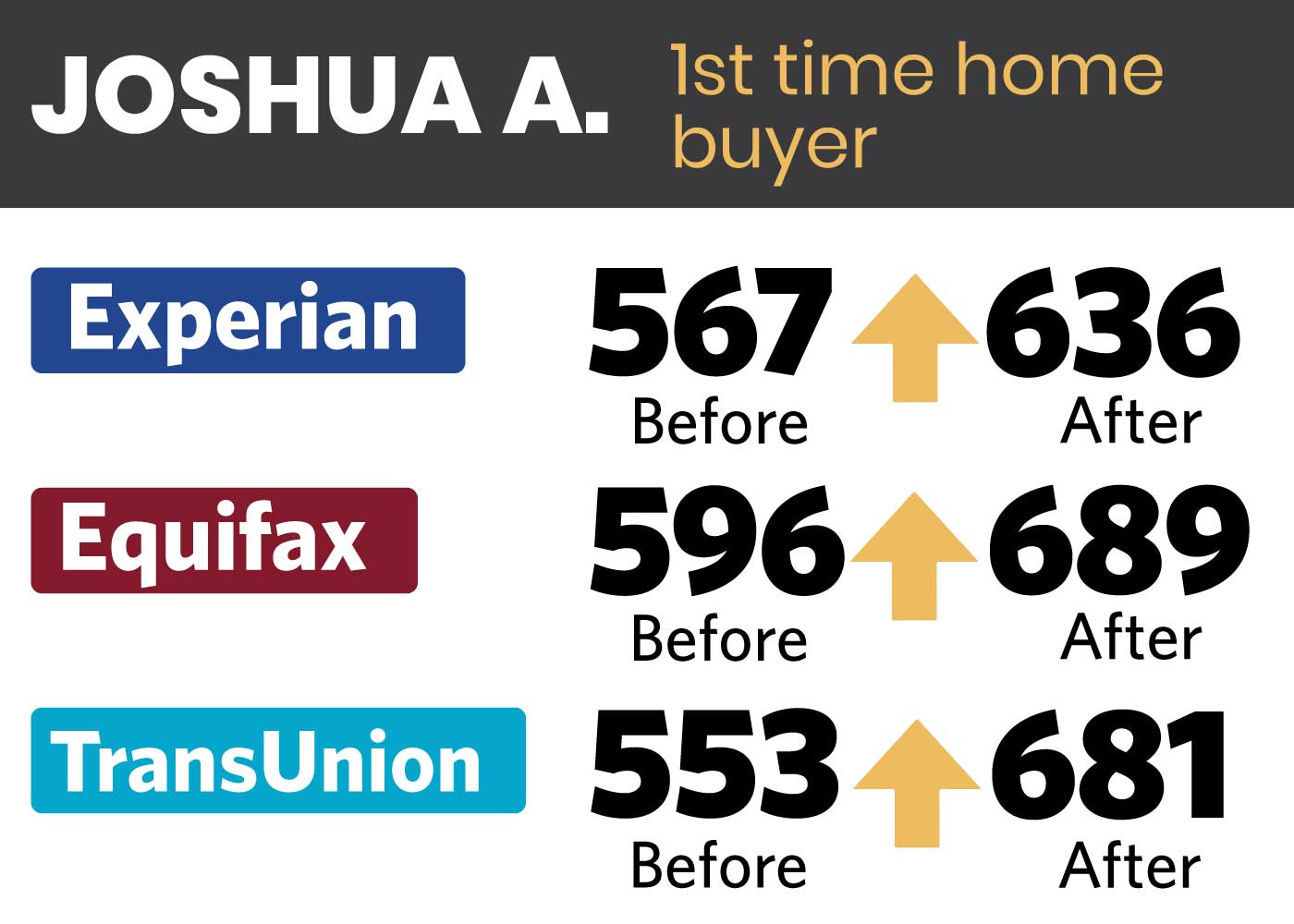
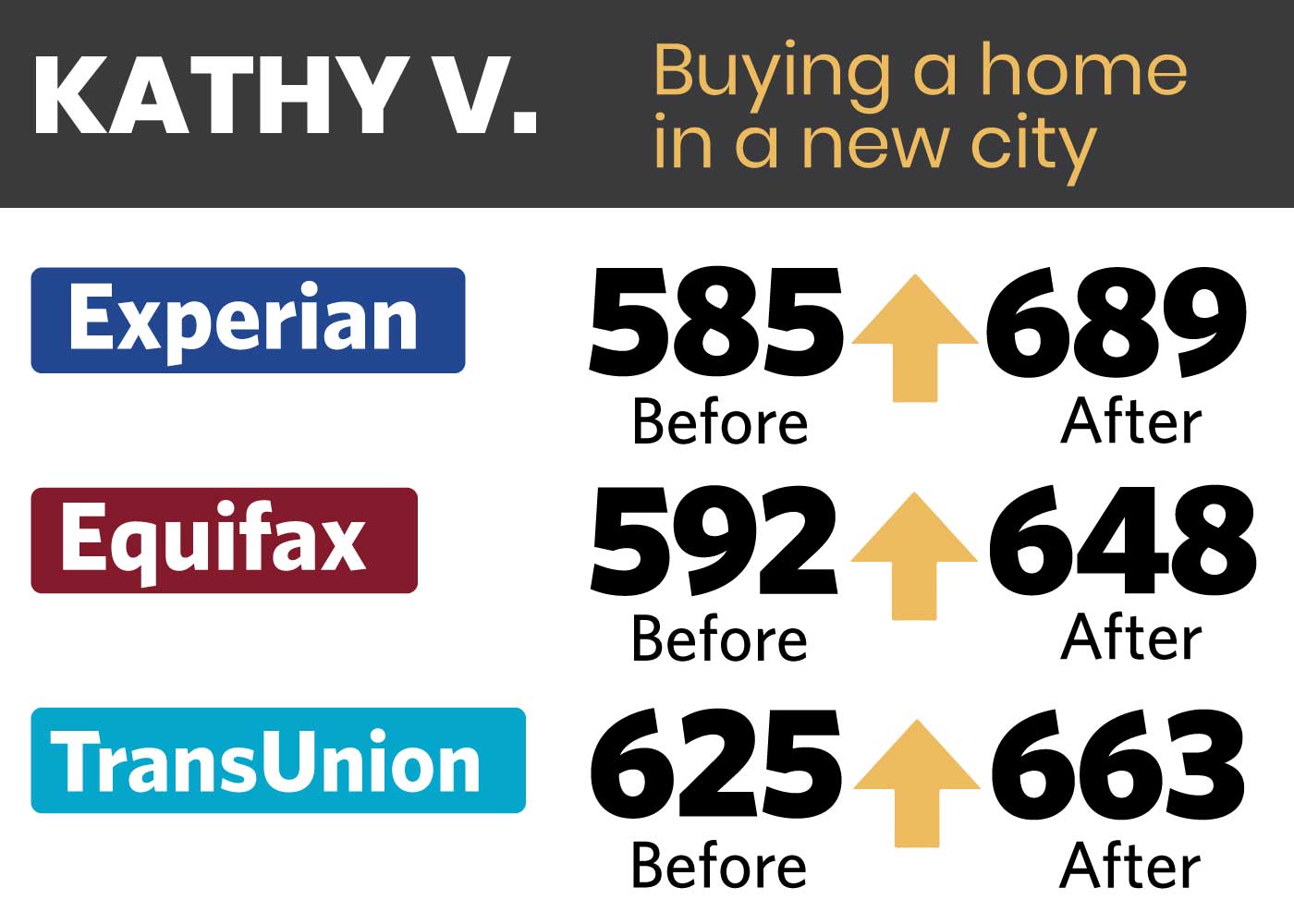
See what our customers are saying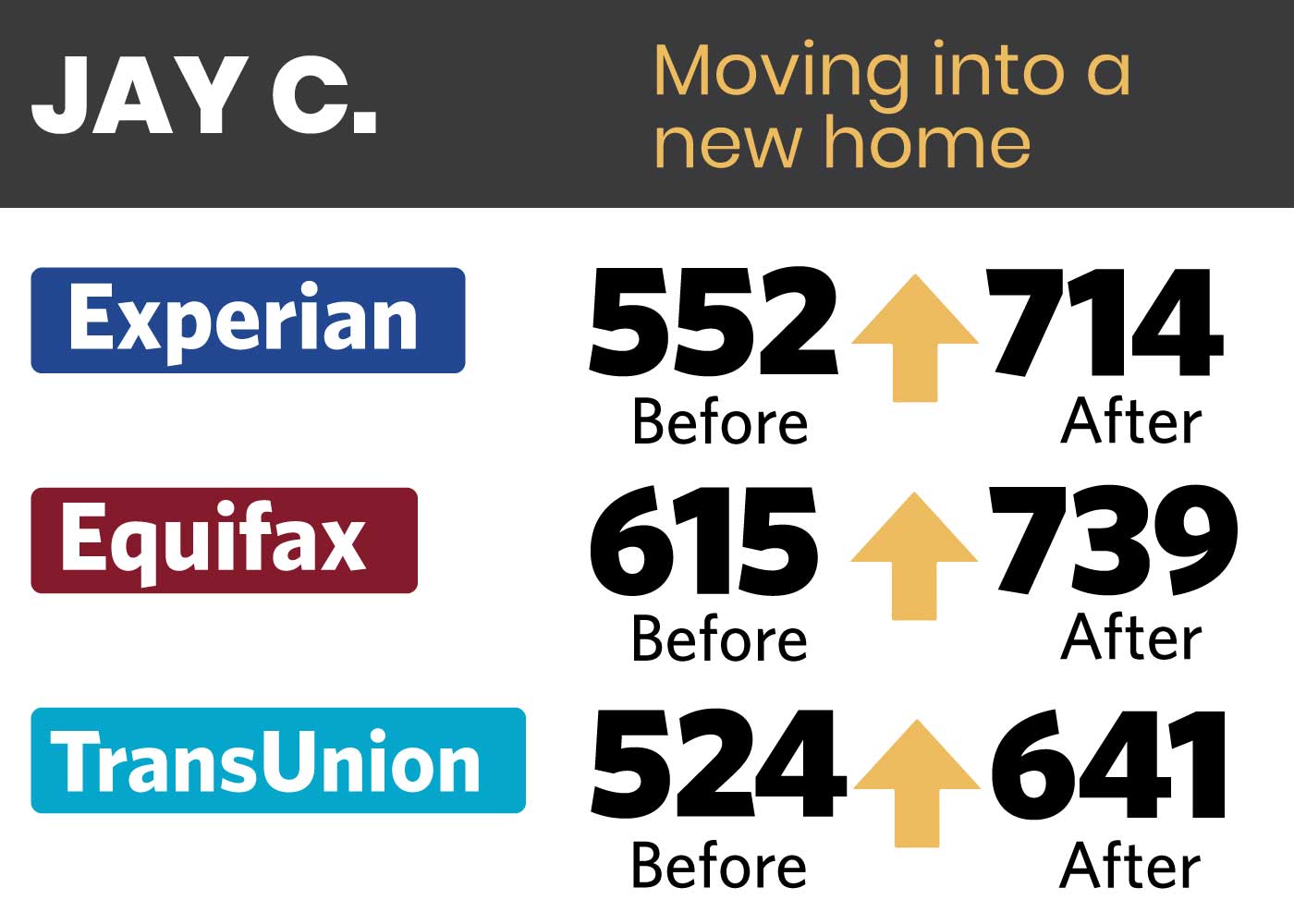
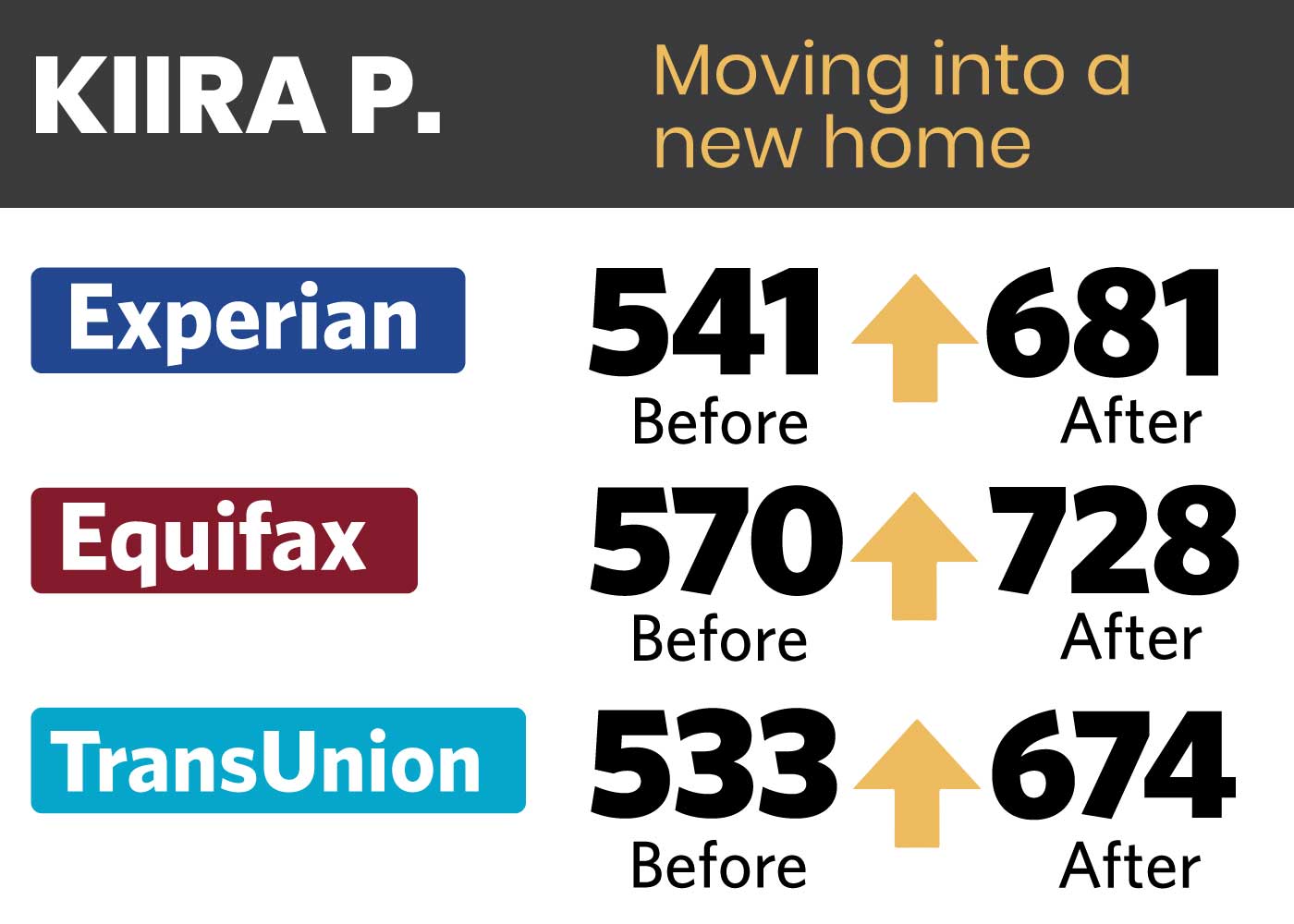
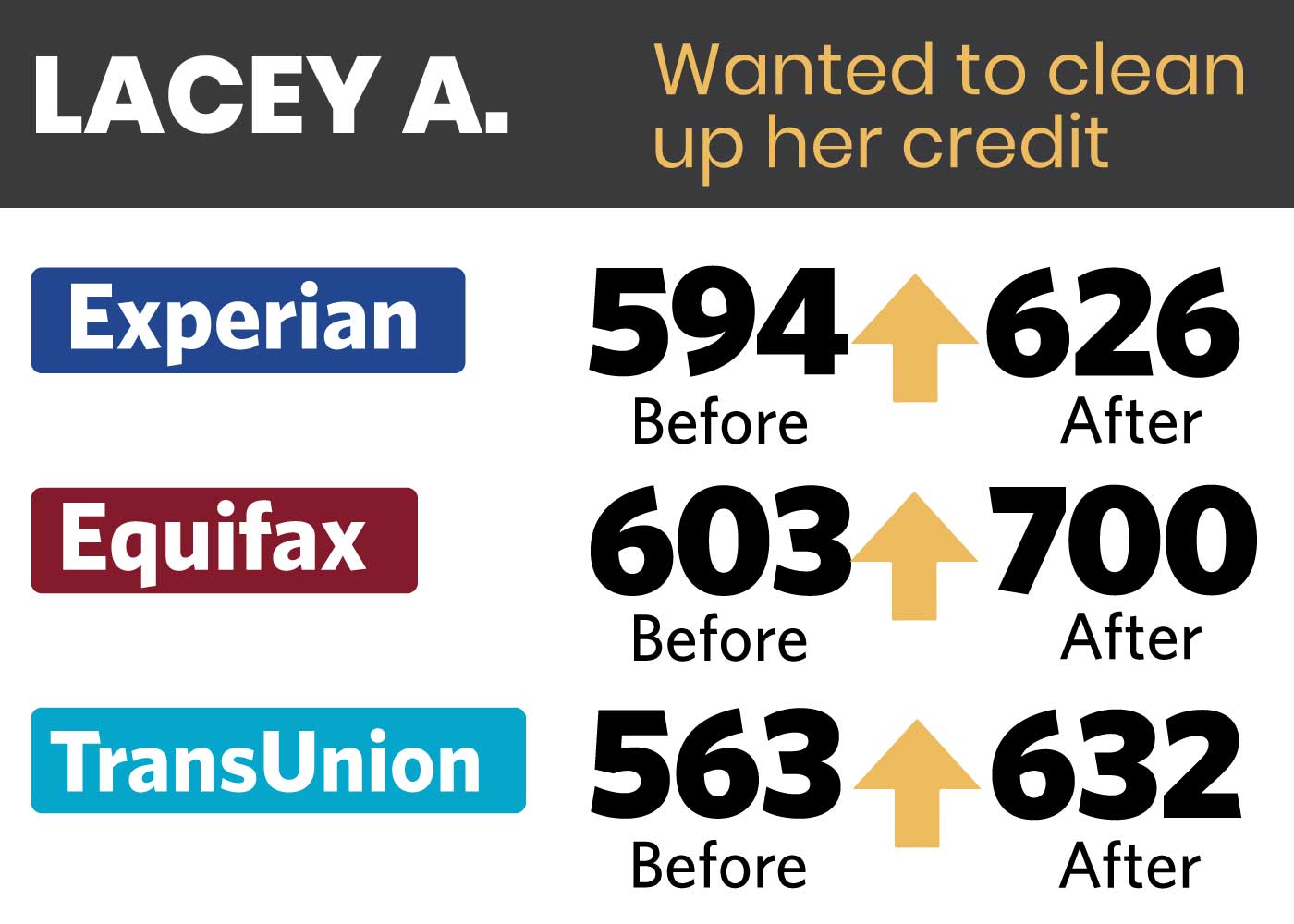
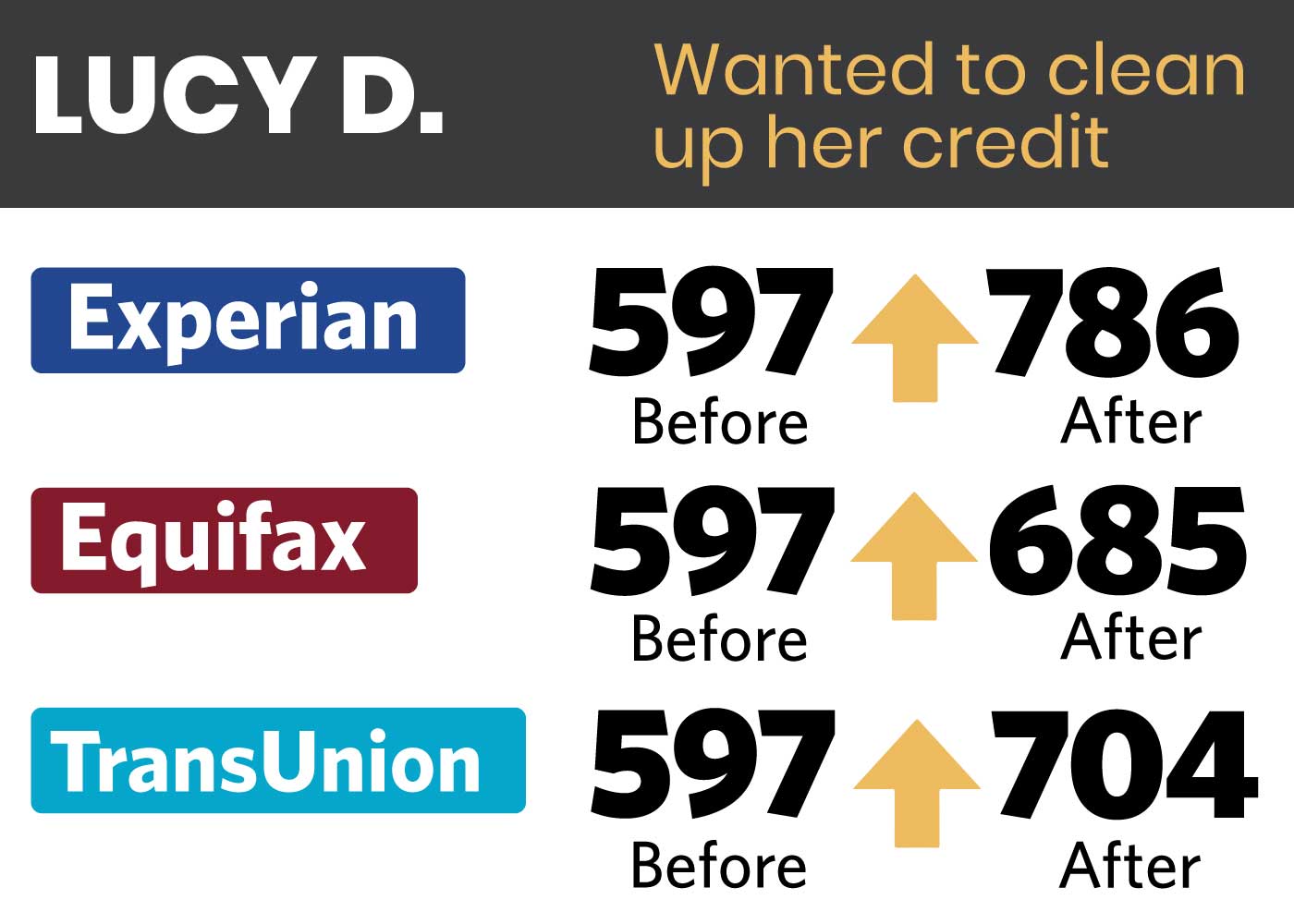
We can help with...
- Charge-Offs
- Collections
- Bankruptcy
- Late Payments
- Repossessions
- Foreclosures
- Student Loans
- Dispute Code Removal
- Credit Coaching
- Re-establishing Credit
- Debt Settlement
Tempe, AZ, has the alluring vibe that all college towns have. Brimming with life and attractions, it continues to bring in a growing population. The town’s Arizona State University is one of the largest public universities in the States, and it’s the #1 public research university state-wide. Considering all of this, having a favorable credit score is essential for your personal financial development, such as getting approved for a mortgage or refinancing an existing one. WJA does credit repair in Tempe the right way, helping you accomplish your financial goals.
Arizona’s average credit score is 706, which falls into the ‘good’ category. Generally, it would be best to aim for a score over 660 (with 850 being the maximum). With our credit experts and investigative research team – you can restore your credit score within six months.

How Credit Score Affects Your Future
Your credit scores impact your approval for mortgages, refinances, and car loans as well as the interest rates you get on them. Potential employers and landlords can also make decisions based on your credit score.
Suffice to say, your credit score can severely impact your plans. Maybe you will get approved for a loan, but instead of a 3% interest rate on a long-term loan, you will get a 4% one. That 1% difference can take tens of thousands of dollars out of your wallet.
Fixing Credit the Right Way
The majority of U.S. credit repair companies have repetitive strategies that yield minimal results. They just send out general dispute letters to your creditors, often disputing even the correct information on your credit report. That leads to a needlessly prolonged and ineffective process. We call those companies the $100-buck-a-month-guys since they often charge a never-ending small amount of money for a small amount of value.
At WJA, we do things differently. There are laws that protect consumers, and we know how to interpret them and use them to your advantage. Our in-house investigative research team is well-versed in consumer laws such as the Fair Credit Reporting Act (FCRA), Fair Debt Collection Practices Act (FDCPA), Fair Credit Billing Act (FCBA), Fair and Accurate Credit Transactions Act (FACTA), and HIPPA laws.
Collection agencies and creditors are so used to the lazy methods of traditional credit repair companies that they often don’t see us coming with our expertise and thorough knowledge of U.S. and State laws.
Why Do You Need WJA?
Our approach to credit restoration is straightforward and effective. We don’t just dispute the items on your credit. We audit creditors. The members of our Investigative Research (IR) Team build a file against your lenders if there has been a federal law violation that the lenders are unwilling to correct.
Our process includes four (4) carefully crafted rounds that are designed to apply increasing pressure to credit bureaus and creditors. This 4-round process is tailored to your specific credit situation and it increases in intensity with each round. In other words, we don’t show our teeth right away – we begin by playing it nice and gently nudging them while showing them their missteps and errors. If they don’t respond accordingly, apply more force.
What Does the 4-Round Approach Look Like?
We begin the first round of credit repair by targeting all three of your credit reports and going over all the unfavorable items in your credit balance. We’re still playing nice at this stage – we send letters to creditors disputing derogatory entries. As a result, you may start getting calls and emails from distressed creditors just two weeks into our process – they are not used to being challenged, so they contact you to get you to validate the debts. Our advice is to simply ask them to send all communication via postal mail. We do ask, however, that you send us (directly to your credit analyst) any of that paper communication they send to you.
The first and second round will bring some results in some of the derogatory items disappearing from your report. But we don’t stop there.
WJA demands proof from collection agencies and creditors that they had a right to list negative items in your report. We also challenge them on the software they use for reporting on your financial history. In other words, we leave no stone unturned in our quest to repair your credit score.
I Want to Repair My Credit – Where Do I Begin?
White, Jacobs and Associates offers a free consultation. We will assign you a credit specialist who will review your situation with you for two reasons:
● They will review your credit report and tell you if WJA can help. We don’t sell false promises. If we can assist your situation, our analyst will map out your personalized credit repair process and give you a timeframe.
● The personalized credit repair process includes coaching you on how to add positive credit in the future. That means you will learn about intelligent credit utilization, tips for continued score improvement, etc.
Overall, our credit repair method takes a maximum of six months, although our clients start to see changes as soon as 45-60 days into the process on average.
Get Credit Repair in Tempe, Arizona Now
At White, Jacobs and Associates, we don’t just take your money, send out dispute letters, and proceed to sit idly. We seriously take on the role of the top credit repair Tempe has to offer. Book your free consultation today and take your first step to a brighter future.
Schedule your Free Consultation & Analysis