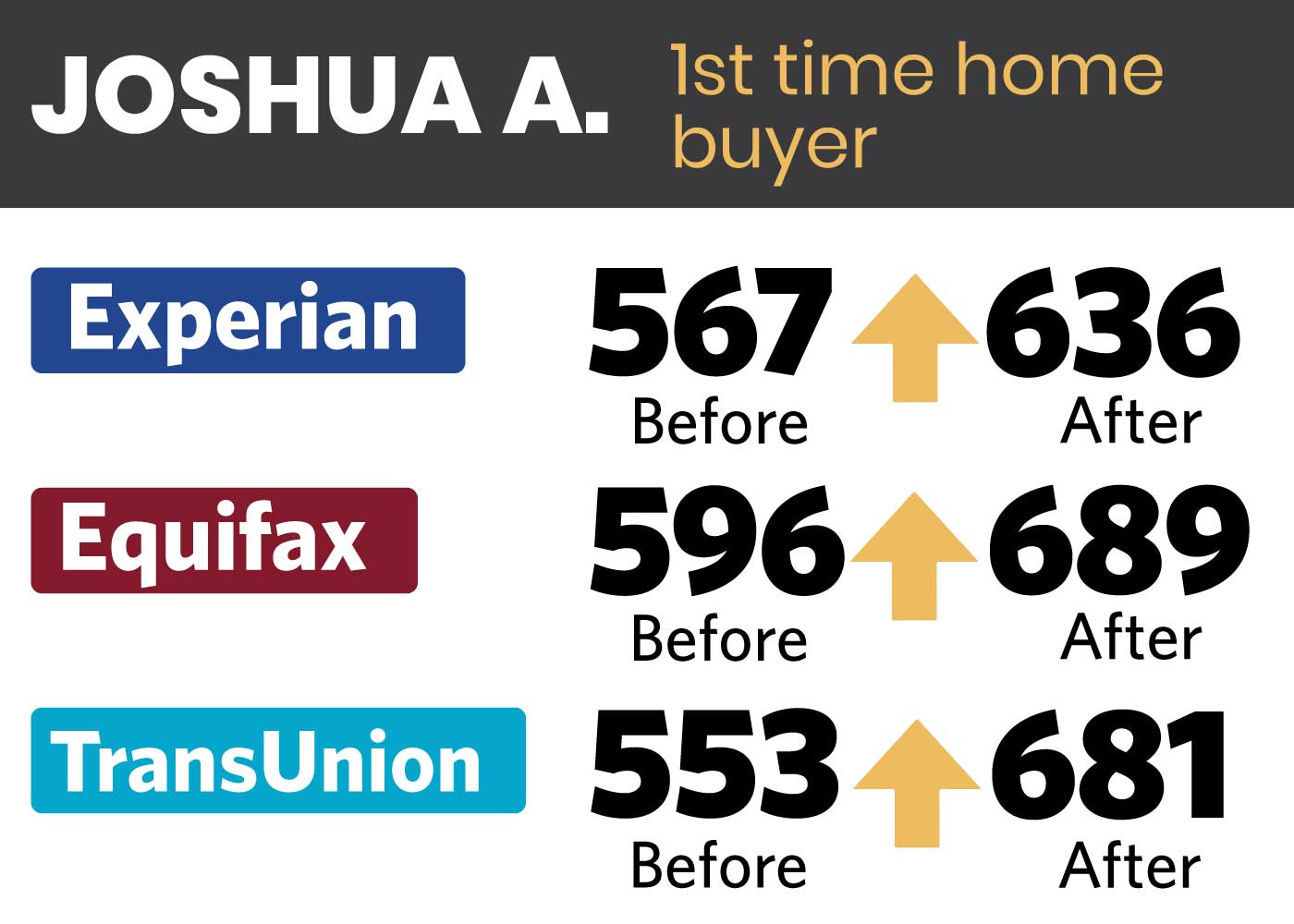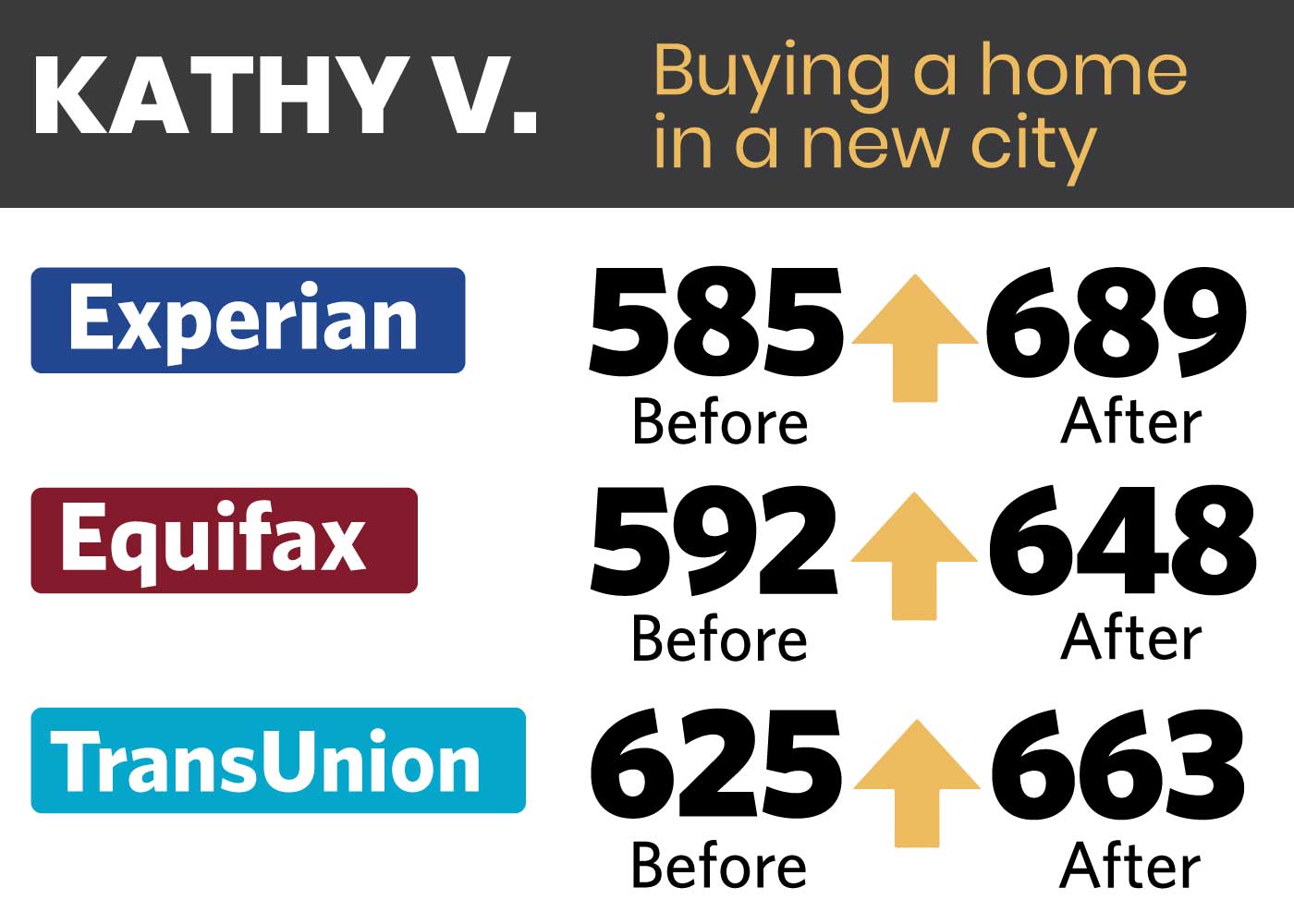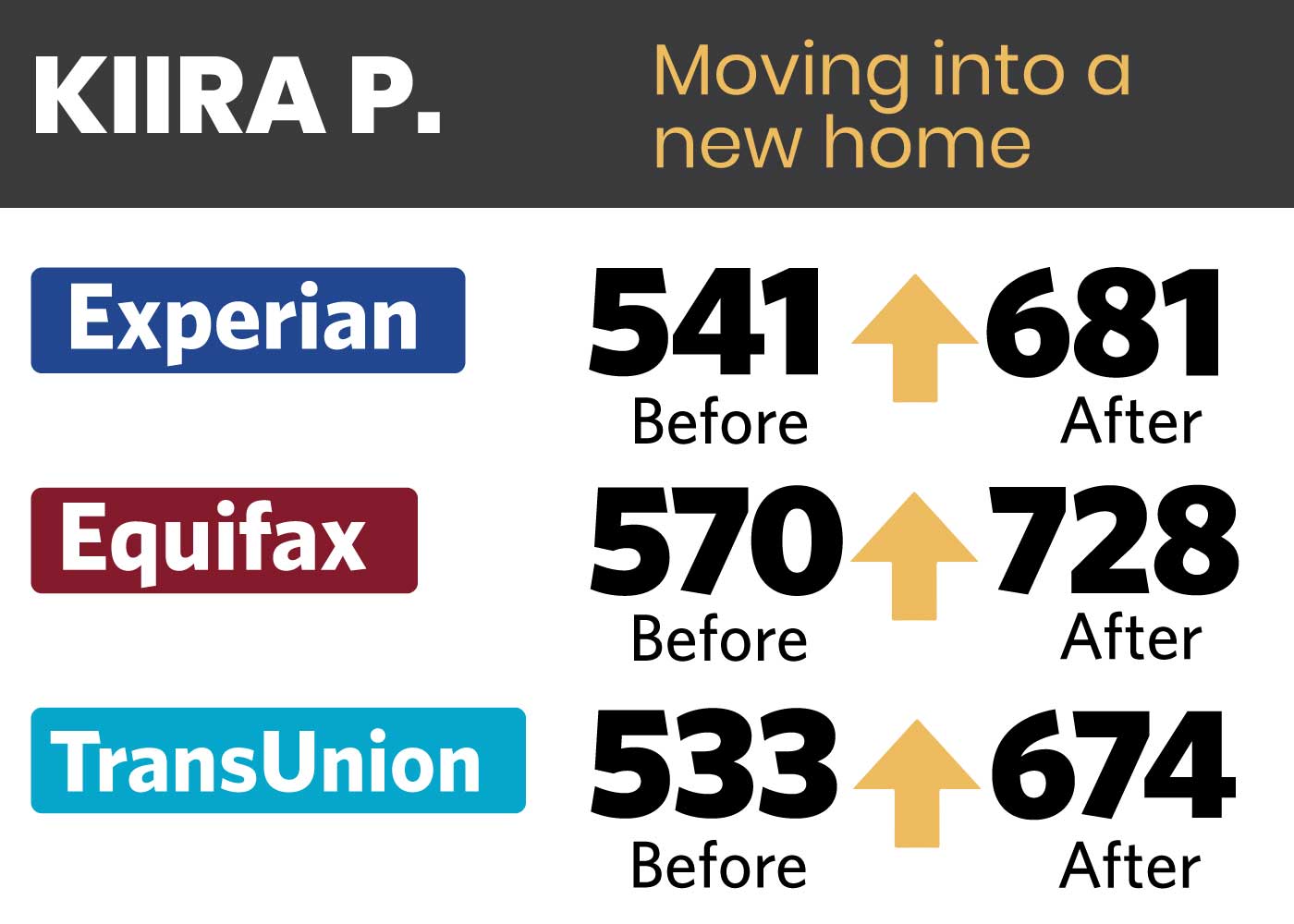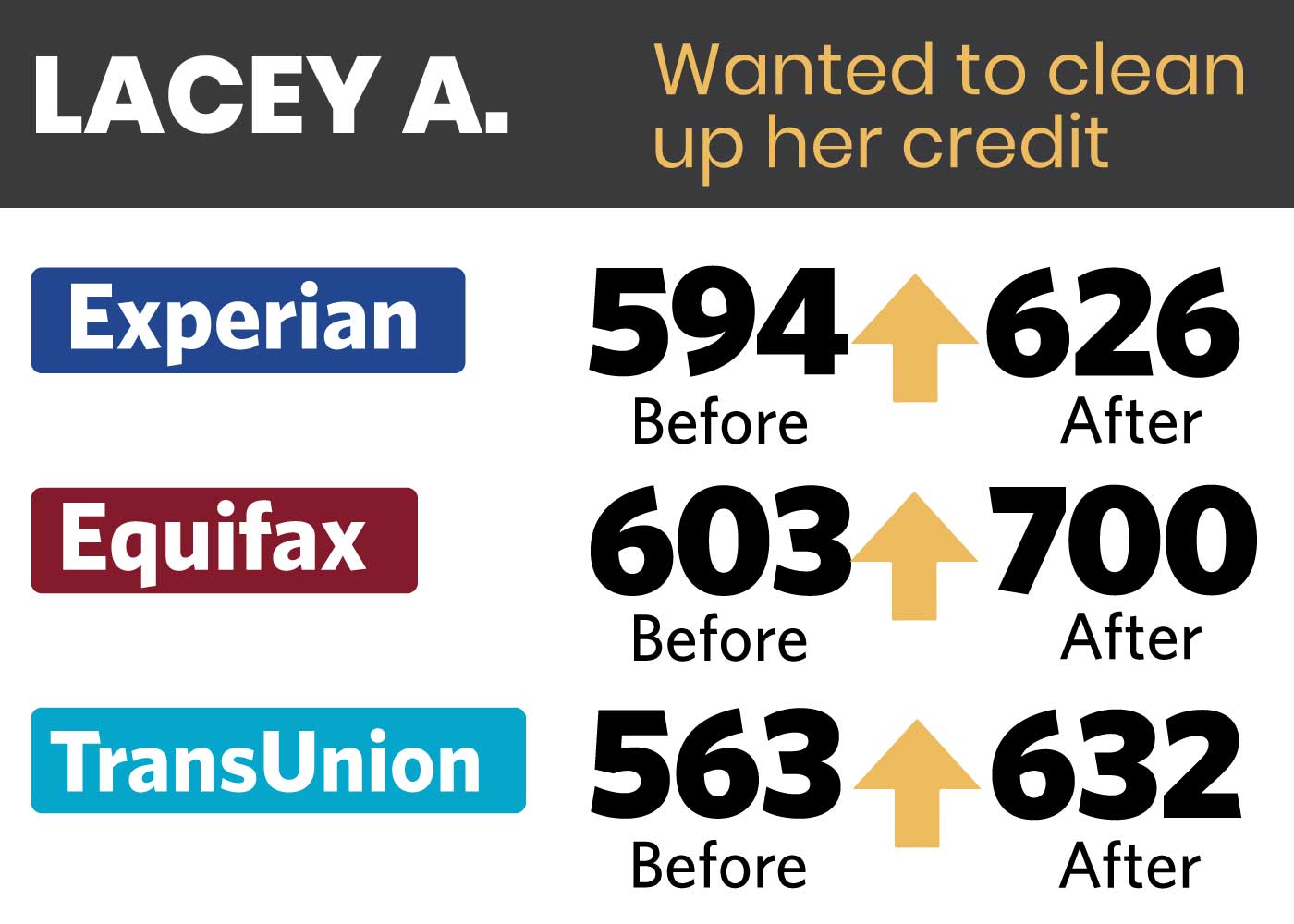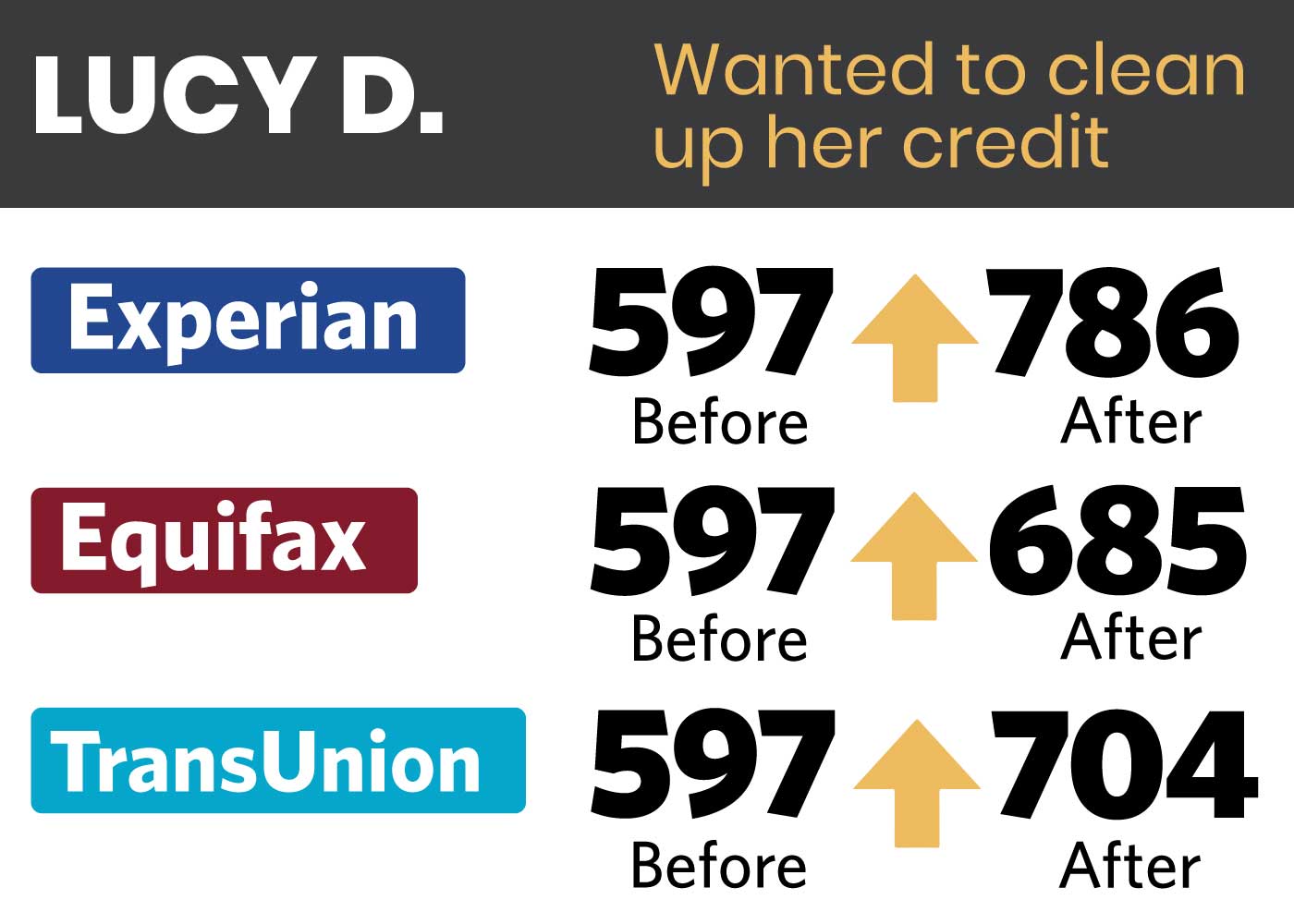
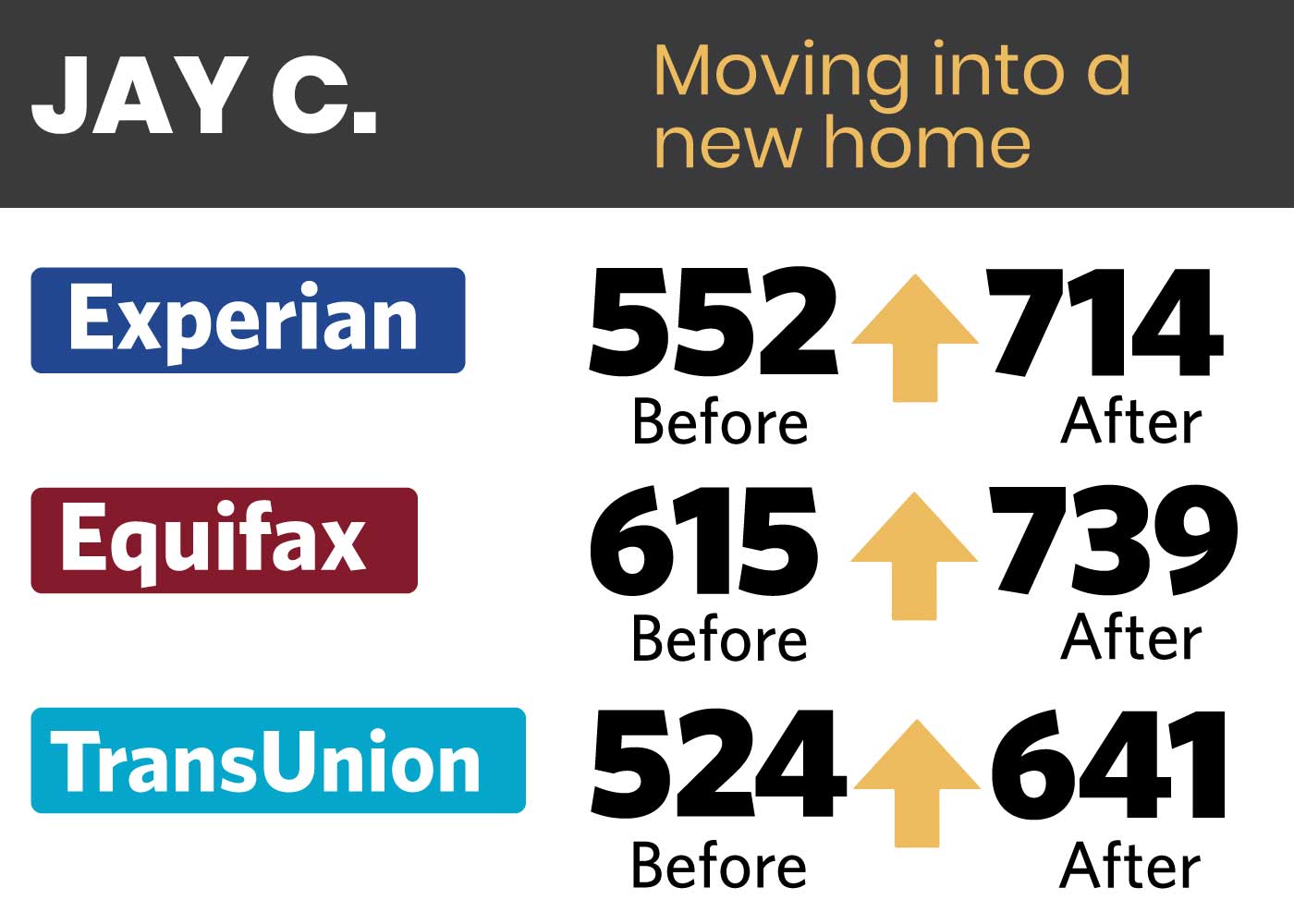
With thousands of happy clients on Google, Facebook, TrustPilot, and more, you will not find a stronger reputation. See how we are different!
We don't just send out dispute letters like other companies. We customize our approach with personalized audits for maximum results.
You'll work with the same credit expert for the duration of the program. They will update you, coach you, and answer your questions.
Our attorney-managed, 4-round process is personalized for each client by an Investigative Research team, all at a reasonable cost.
Schedule your Free Consultation & Analysis
We protect your privacy. Your information is not shared with third parties.
By submitting this form, you agree to receive texts from White Jacobs and Associates. Ongoing communication before, during, and after the program will be initiated by our credit analysts and their assistants. Msg & data rates may apply. Msg frequency varies. Unsubscribe at any time by replying STOP or clicking the unsubscribe link (where available). Privacy Policy

How We're Different
See what our customers are sayingWe can help with...
Looking for good credit repair in Peoria, Arizona? White, Jacobs and Associates is your answer for expert credit repair. Peoria can be challenging for those looking to settle in the town with costs of living higher than the national average. A good credit score is of crucial importance to anyone. From buying a house, leasing an apartment, taking out a loan, or buying a car – it can all depend on the number on your credit report.
That’s why you need to focus on your credit situation. WJA helps you achieve this and get your buying power back. Doing everything in your power to ensure yourself a livable future is of utmost significance, particularly during turbulent times like these.

Let’s go over this in more detail. A good credit score helps you in two significant ways:
● It enables you to take out a large loan
● It helps you get a reasonable interest rate on your loan
Your credit score is a number that credit bureaus give you after analyzing your financial standing and financial history. The three major bureaus – Equifax, TransUnion, and Experian – give you a grade in the 300-850 range. Creditors and other financial players then use that number to judge how financially responsible you seem and if you would be able to pay back a loan.
What’s odd is that lenders prefer writing a loan to someone with an unfavorable score because they can charge a higher interest rate. Yes, they do want to be sure that you can pay them back. On the other hand, they want to impose the highest interest rate possible. The higher the numerical value of your credit score, the more loan options you get – along with more favorable interest rates.
That is why you need WJA to fix your credit score before you apply for another loan.
Just a few points on your FICO and Vantage scores can make a difference in terms of you falling into the good or bad credit category.
Poor credit can happen to anyone. Sometimes we get negative points because the economic climate is unstable. Other times, the bureaus make an error and unfairly report negative items on your credit. And finally, sometimes, we miscalculate and end up with unpaid student loans, foreclosures, bankruptcy, or repossessions, all of which show up on our credit report as negative items. To illustrate, student loan prevalence was 18.1% of households in the Phoenix-Mesa-Scottsdale metro area, which encompasses Peoria, in 2023 per an FDIC survey, versus 15.3% nationally, suggesting a modestly higher exposure to education-related debt in the area and potential for missed payments.
The important thing is this- if you have a poor credit score right now, it doesn’t mean your financial freedom is taken from you forever. At WJA, we repair your credit score in more than one way:
● We remove negative items from your credit score.
● We teach you how to bring up your credit score with positive credit.
We don’t do credit repair in Peoria the traditional way. Such companies just send out thousands of automated dispute emails with meek results. At White, Jacobs and Associates, we take on a back-end approach.
That means we employ a 4-round auditing approach consisting of our investigative research team holding creditors and bureaus accountable for their actions. In other words, our dispute letters are not generic. They’re crafted based on the responses we get from creditors and bureaus during each round of our process. And the same goes for the audits we perform.
We are well aware that customization yields results. So from the start, we approach your situation knowing it’s unique. A credit specialist analyzes your file and crafts a customized approach to credit repair. Then and only then, we get down to work. While we’re busy removing negative entries from your report, we’re simultaneously educating you on valuable ways to bring up your credit score. We prepare you for the long-term by teaching you about proper credit card utilization, making payments on time, and so on.
And how do we remove negative items? With the help of those carefully written disputes and performed audits. Often creditors and bureaus make mistakes or inadvertently slip in some questionable negative entries in your credit report. We don’t let them get away with that and are ready to ensure they can validate the item appearing on the report.
Don’t be surprised if you start getting frantic emails and calls from creditors two weeks into our credit repair process. That means that the process is working. Those creditors are not used to someone challenging them and checking their methods thoroughly. So they call you up to coerce you into admitting that their reporting on your credit was valid. Ignore their pleas and tell them to send everything via postal mail. You’ll send that correspondance to us so we can review it.
The credit repair process is designed to last up to six months. Clients typically start to see improvements in their credit scores within 45-60 days, but the total duration can vary.
Right off the bat, during the free consultation, our credit expert will let you know if WJA can repair your credit. We prioritize transparency and expertise, and we’re not here to take your money if you’re not a good fit for the program.
White, Jacobs and Associates has the mission of offering transparent credit repair in Peoria. We keep you in the loop during our whole process. Talk to a member of our team for free – get in touch today and allow us to nurse your credit score back to health. Whether you’re purchasing a car or you’re seeking to join the 75.5% of the population who are home owners in Peoria per Data USA, we want you to feel confident with your buying power.
White, Jacobs & Associates is a certified and bonded credit services entity that operates in full accordance with the Credit Repair Organizations Act (CROA), Fair Credit Reporting Act (FCRA), Fair Debt Collection Practices Act (FDCPA), and all requisite licensing obligations. Our practices conform to best practices outlined by the Consumer Financial Protection Bureau (CFPB) and the Federal Trade Commission (FTC), with procedures designed to uphold your rights under these regulations throughout our entire process. We handle clients’ private data with stringent security protocols in compliance with the Gramm-Leach-Bliley Act (GLBA), while maintaining legal supervision to ensure ethical conduct across all levels.
Retirement on a fixed income is challenging when you’re carrying credit card debt, but there are strategies to help. First, consider contacting a nonprofit credit counseling agency; they can review your budget and may suggest a Debt Management Plan to consolidate your credit card payments into one (often with lower interest rates). This can be a lifesaver for retirees, as it simplifies bills and possibly reduces the total outgoing money each month.
Additionally, look at your expenses critically: Peoria has a slightly lower cost of living than the U.S. average, but costs like healthcare or utilities can still strain a fixed budget. See if you’re eligible for any senior discounts, assistance programs, or Medicare savings that could free up funds to pay off debt faster.
If you own your home and have significant equity, one option (with caution) could be a reverse mortgage to eliminate mortgage payments or even pay off credit cards – however, talk to a financial counselor to weigh pros and cons before considering this.
Another tactic is to prioritize high-interest cards and pay extra towards those while paying minimums on others; once one card is paid off, move to the next (the snowball/avalanche methods).
Takeaway: On a fixed income, you must make every dollar count. Consolidating debt through a reputable program and trimming expenses will help manage credit card balances. It might take time, but with a solid plan, you can gradually pay down debt without derailing your retirement.
Unexpected medical bills can wreak havoc on anyone’s finances. In Peoria and the wider Arizona area, many debt problems stem from issues like medical emergencies or loss of income If you’re facing hefty medical bills, first check if the hospital or provider offers financial assistance or charity care – many have programs to reduce bills for those who qualify. You can also attempt to negotiate the bill: ask if they’ll accept a lower lump-sum payment or set up an interest-free payment plan.
For other debts (credit cards, personal loans), a good step is to speak with a certified credit counselor. They might enroll you in a Debt Management Plan as mentioned, or at least help prioritize which debts to pay first. If your debts are truly unmanageable, debt settlement could be an option (where you or a company negotiate to pay a portion of what’s owed), but be aware this can hurt your credit and has tax implications.
As a last resort, bankruptcy is available and can discharge many types of debt – though typically not recent medical bills if they’re very new, and it comes with a significant credit impact. Before deciding on bankruptcy, consult with an Arizona bankruptcy attorney or a legal aid society to understand if it’s the right choice.
Takeaway: You have multiple options – from negotiating directly to seeking professional help or even legal relief. The best approach depends on how severe your situation is. Always start with less drastic measures (like payment plans or credit counseling) and move to harder solutions (settlement or bankruptcy) only if absolutely necessary.
Getting a loan with a credit score below 580 is difficult, but not impossible. Traditional lenders (big banks, prime lenders) typically consider anything under 580 as “poor credit,” meaning you’ll likely face denials or very high interest rates. However, you have a few avenues: credit unions or community banks in Arizona might be more flexible if you have an existing relationship or can explain a compelling story (like a one-time event hurt your credit). They sometimes offer small-dollar loans for credit-challenged members.
Another option could be a secured loan – for example, if you have a vehicle or savings account to put up as collateral, lenders may be willing to lend because their risk is lower. Beware of predatory “no credit check” lenders that you might find online or locally; while they promise loans despite low scores, they often come with outrageously high APRs and fees.
If it’s an emergency and you can delay a bit, consider working on your credit for a few months: even moving from a 550 to, say, a 600 score can open more doors (some subprime lenders or FHA mortgage programs start around 580).
Also, see if someone with good credit (a family member) would co-sign the loan – co-signers are risky for personal relationships, but they do make approval more likely.
Takeaway: Loans under 580 credit come with trade-offs. Explore community-based lenders or secured loans first, and be very cautious of ultra-high-cost loan offers. Often, it might be better to spend time improving your credit a little before taking on new debt, unless it’s truly urgent.
If bankruptcy is on your mind, it means you’re likely feeling overwhelmed by debt. Start by consulting a bankruptcy attorney or a qualified credit counselor in Peoria. The initial consultations are often free or low-cost – they’ll review your financial situation and confirm if bankruptcy is a suitable and necessary option. Arizona has Chapter 7 (liquidation) and Chapter 13 (repayment plan) bankruptcies for individuals; an expert can advise which you qualify for (Chapter 7 has income limits) and which is better for you.
Before you file, you’re actually required to complete a credit counseling session (within 180 days prior to filing) – this is a chance to see if any alternatives could work. If you proceed, be prepared with documentation: gather your financial records (debts, income, assets, recent transactions).
Know that Arizona allows certain property exemptions in bankruptcy (for example, some equity in your home and car, personal belongings, etc., can be kept). It’s important not to run up new debt or transfer assets just before filing – the court looks at recent activity and could consider that fraudulent. Once you file, an automatic stay will stop most creditor actions, which can be a relief.
Finally, after the process, focus on rebuilding your financial life with budgeting and small credit accounts to re-establish a positive history.
Takeaway: Considering bankruptcy is serious – get professional advice in Peoria to ensure it’s the right move. If it is, follow the required steps carefully and use the fresh start to adopt healthier financial habits post-bankruptcy.
Schedule your Free Consultation & Analysis