Credit Repair in Hillsboro, OR: Scores, Your Rights, and Local Help
Updated August 2026
Hillsboro is Washington County’s largest city and the seat of county government, but it is best known as the industrial core of Oregon’s Silicon Forest. Intel runs its largest concentration of US campuses here, alongside Genentech, Qorvo, and a cluster of semiconductor and advanced-manufacturing employers that account for a sizable share of the state’s manufacturing jobs.
That economy makes Hillsboro one of the most diverse cities in Oregon, with a large Latino community, deep agricultural roots in the Tualatin Valley, and a workforce that ranges from chip engineers to line technicians. For buyers across that range, credit is the deciding factor at the closing table.
This page covers what Hillsboro’s numbers mean for your credit, what your rights are, and where to find free help. White Jacobs is attorney-managed and runs a four-round audit process, but everything below is yours to do on your own.

A Tech-Anchored Market With a Wide Range of Buyers
Zillow and Redfin put Hillsboro’s median home value around $505,000 to $520,000, with newer neighborhoods like Orenco Station and South Hillsboro commanding a premium and older corridors offering more entry-level options. The housing stock is mixed by design, and roughly half of households rent.
At these prices, the interest rate does real work, and the rate is set by your score. The difference between a fair score and a strong one can add up to tens of thousands of dollars over a mortgage, which is what makes a clean report worth the effort before you buy.
Which loan, and the score thresholds
Washington County is a higher-cost area, so its FHA limit sits well above Oregon’s standard floor, and the 2026 conforming ceiling is $832,750 per the Federal Housing Finance Agency. Most Hillsboro homes fit inside conventional or FHA financing, so financing is rarely the ceiling; the score is. FHA opens up around a 580 score, conventional around 620, and the best pricing waits in the 700s.
The Semiconductor Workforce and Job-Loss Stress
Hillsboro’s paychecks are tied closely to the chip industry, and that cuts both ways for credit. In good years, engineers and technicians carry strong, stable files. But the semiconductor business runs in cycles, and the industry’s 2025 workforce reductions were felt hard locally.
A layoff can turn a solid file fragile fast, as savings drain and balances climb. Much of the resulting damage is about utilization and timing rather than anything inaccurate, but a job-loss stretch also tends to surface reporting errors, a mistakenly reported late payment, a medical bill that insurance should have covered, that are worth challenging once the dust settles.
Building Credit From a Thin File
Hillsboro’s diversity brings a specific credit reality. In a 2023 state analysis, a small but meaningful share of Oregonians had no bank account at all, and immigrant and first-generation households nationally are far more likely to be credit-invisible or to carry thin files.
That matters because the fix is different. A thin file is not repaired by disputing anything; it is built by opening the right accounts and letting them age. A secured card or a small installment loan paid perfectly over a year gives a lender something to score, and this groundwork often does more for a first-time buyer than any dispute.
Washington County and the Local Credit Picture
Oregon’s credit numbers run reasonably strong, with a statewide average score around 717 as of recent Equifax data, and Washington County, buoyed by tech-sector incomes, tends to run stronger still, with a relatively low share of residents scoring below 660.
The flip side is that a sub-660 score stands out sharply to a Hillsboro-area lender used to seeing strong files. Clearing an inaccurate item that is dragging your score, or building a thin file into a scored one, is often what puts your application on equal footing.
Medical Debt on Your Report
Medical bills are a common source of credit damage, and they are worth a close look. Billing errors, insurance that paid late, and balances that should have been adjusted all show up as collections that do not belong there.
Recent national changes have limited how some medical debt appears on consumer reports, but errors still slip through. If a medical collection on your report is inaccurate or cannot be verified, it is exactly the kind of item the dispute process is built to address.
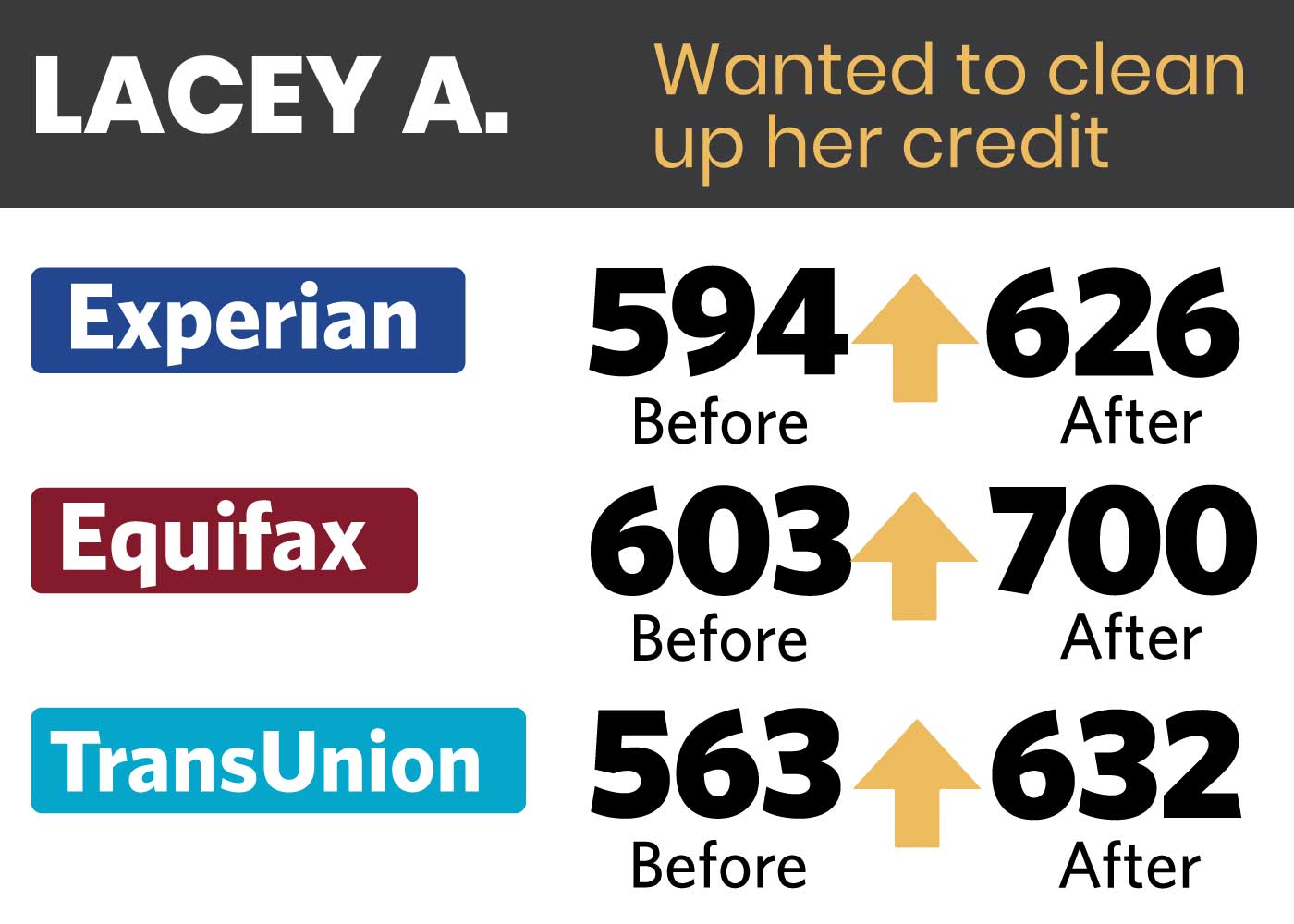
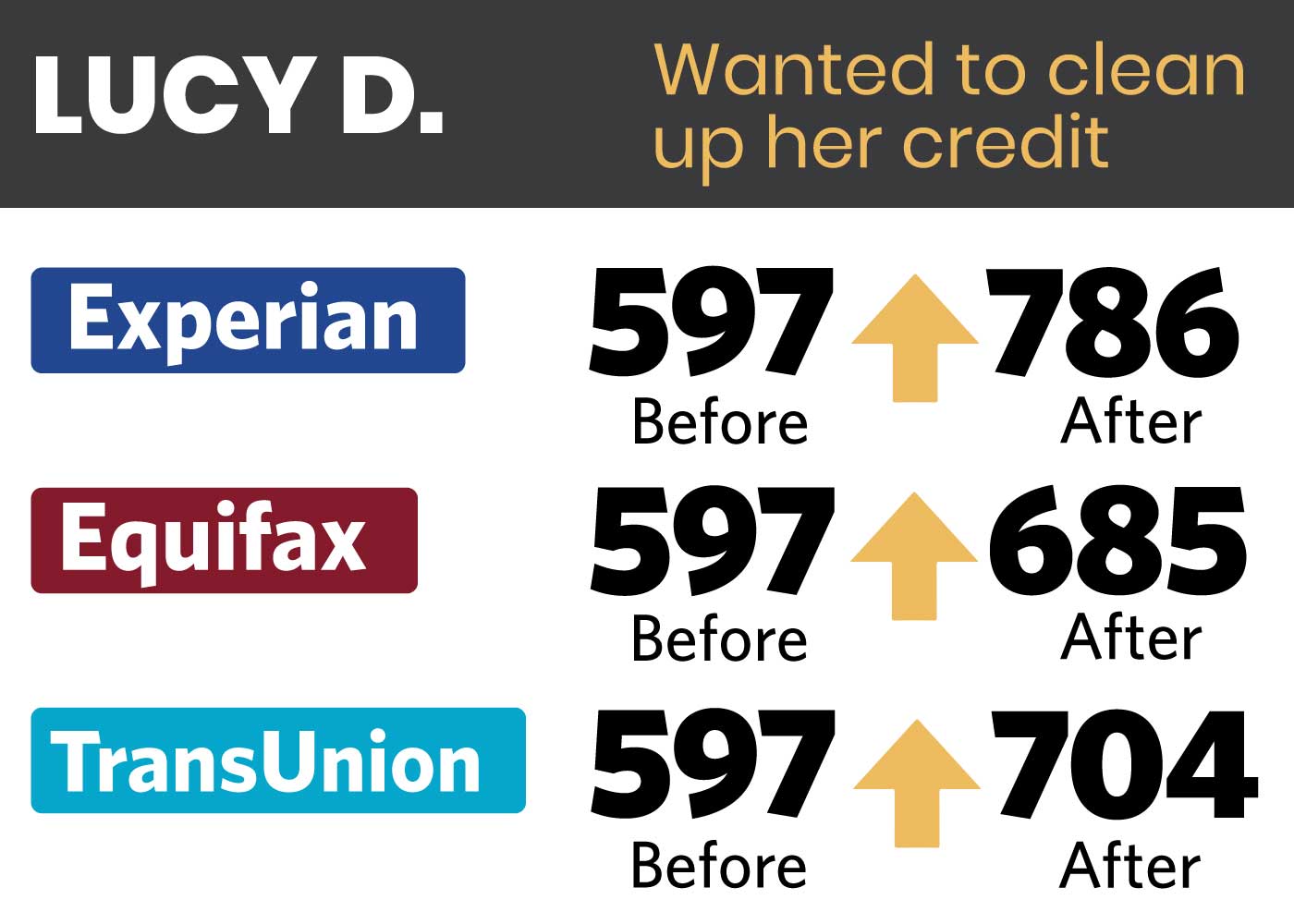
Transparent Credit Improvements Achieved by Our Team
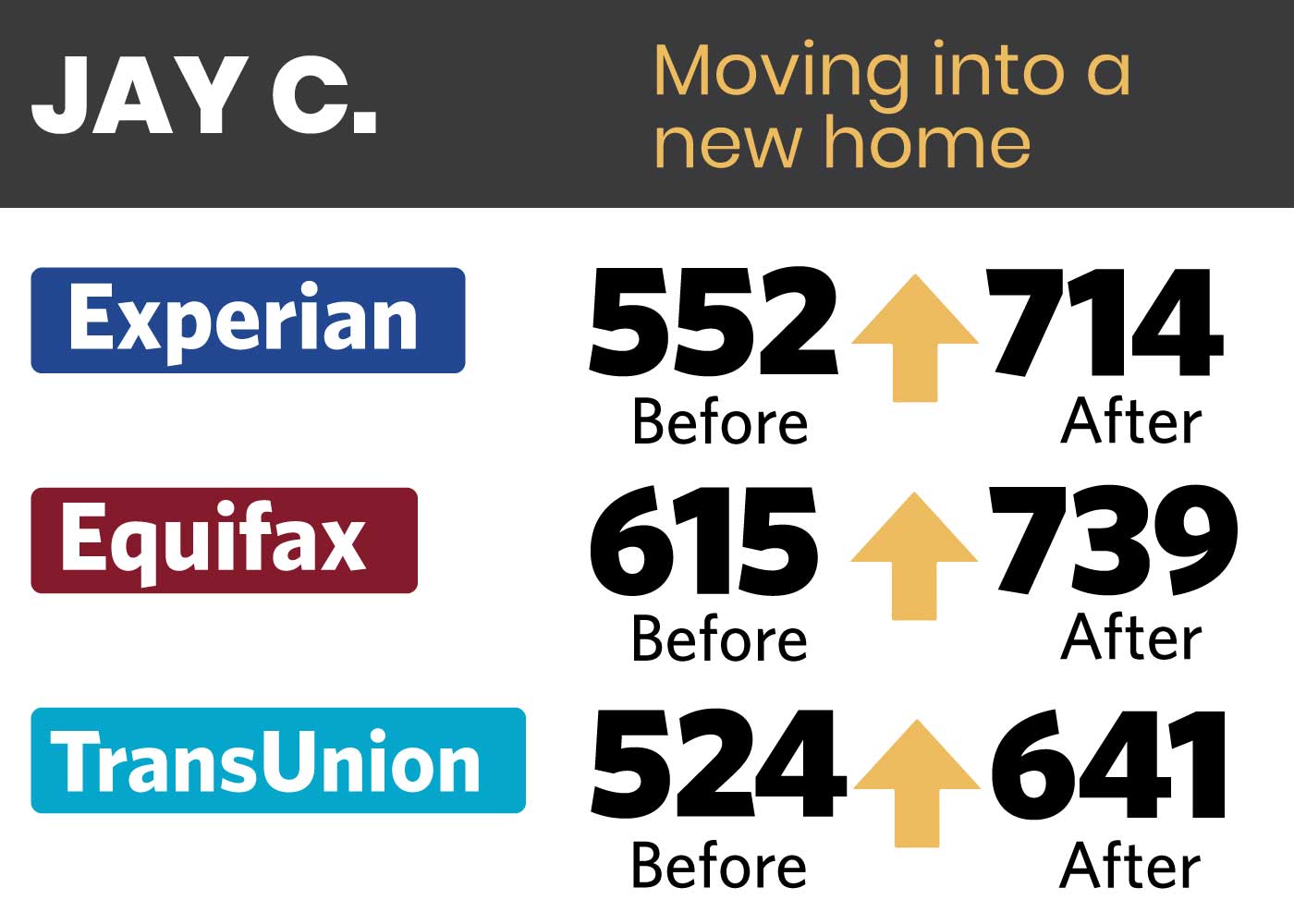
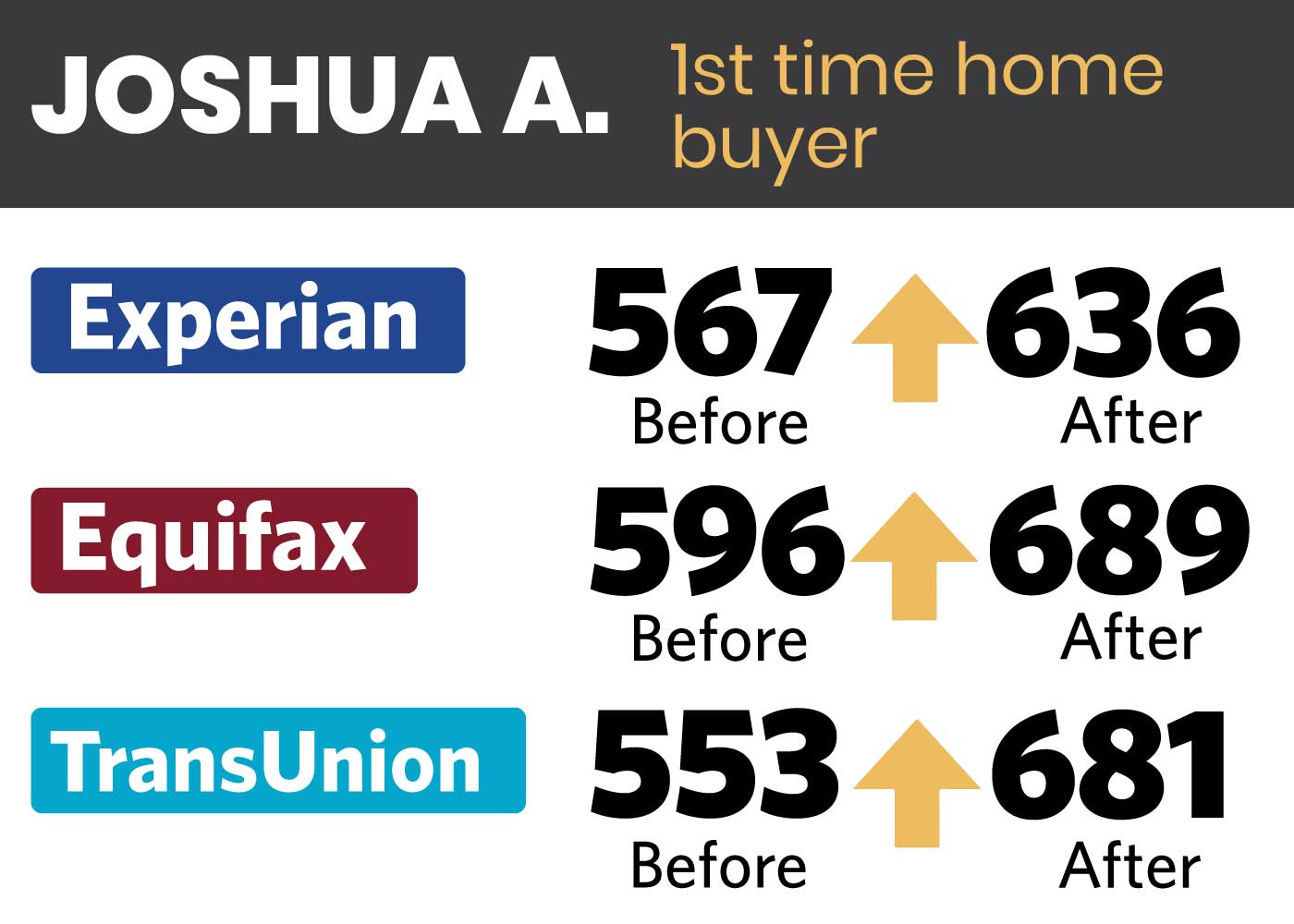
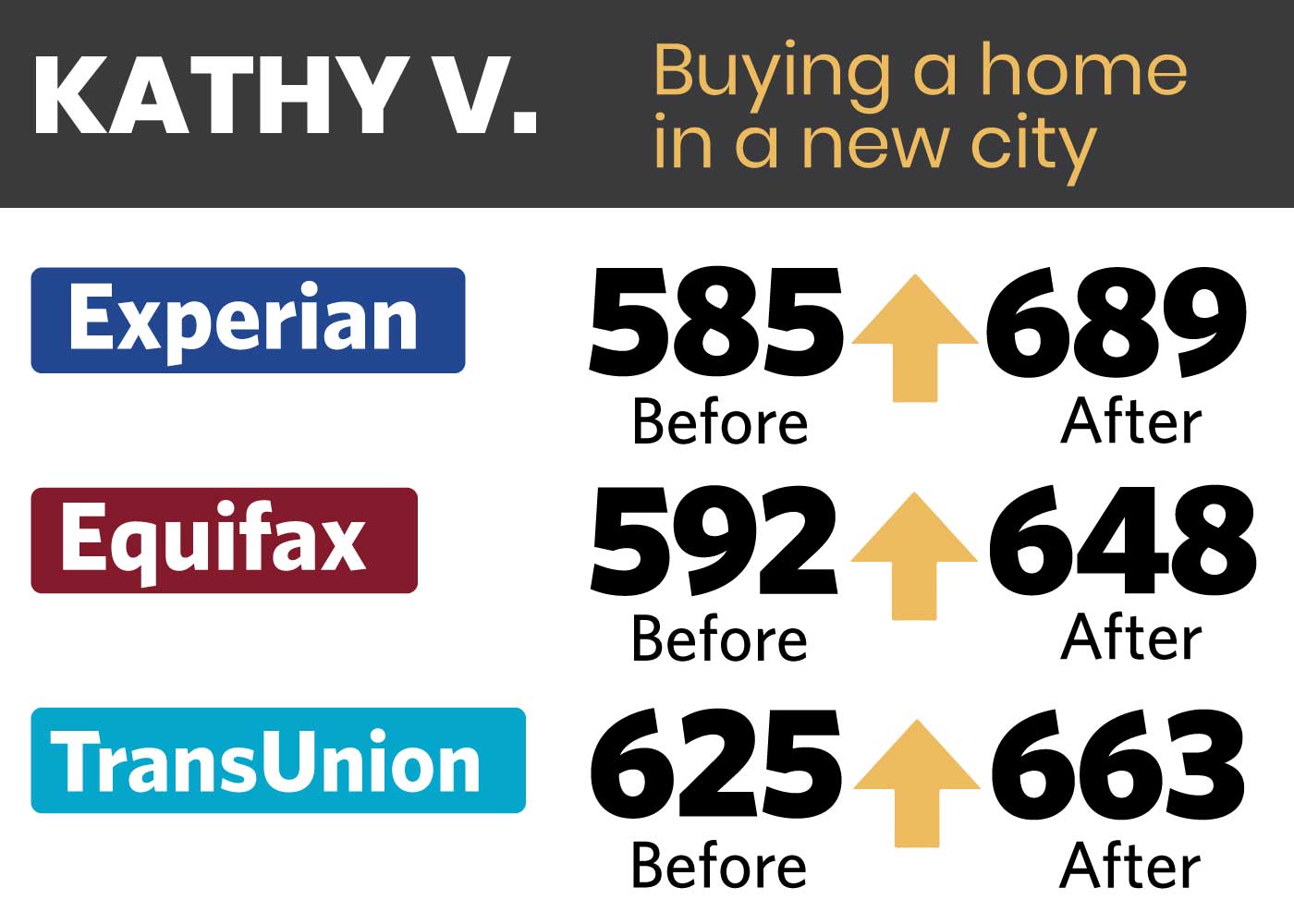
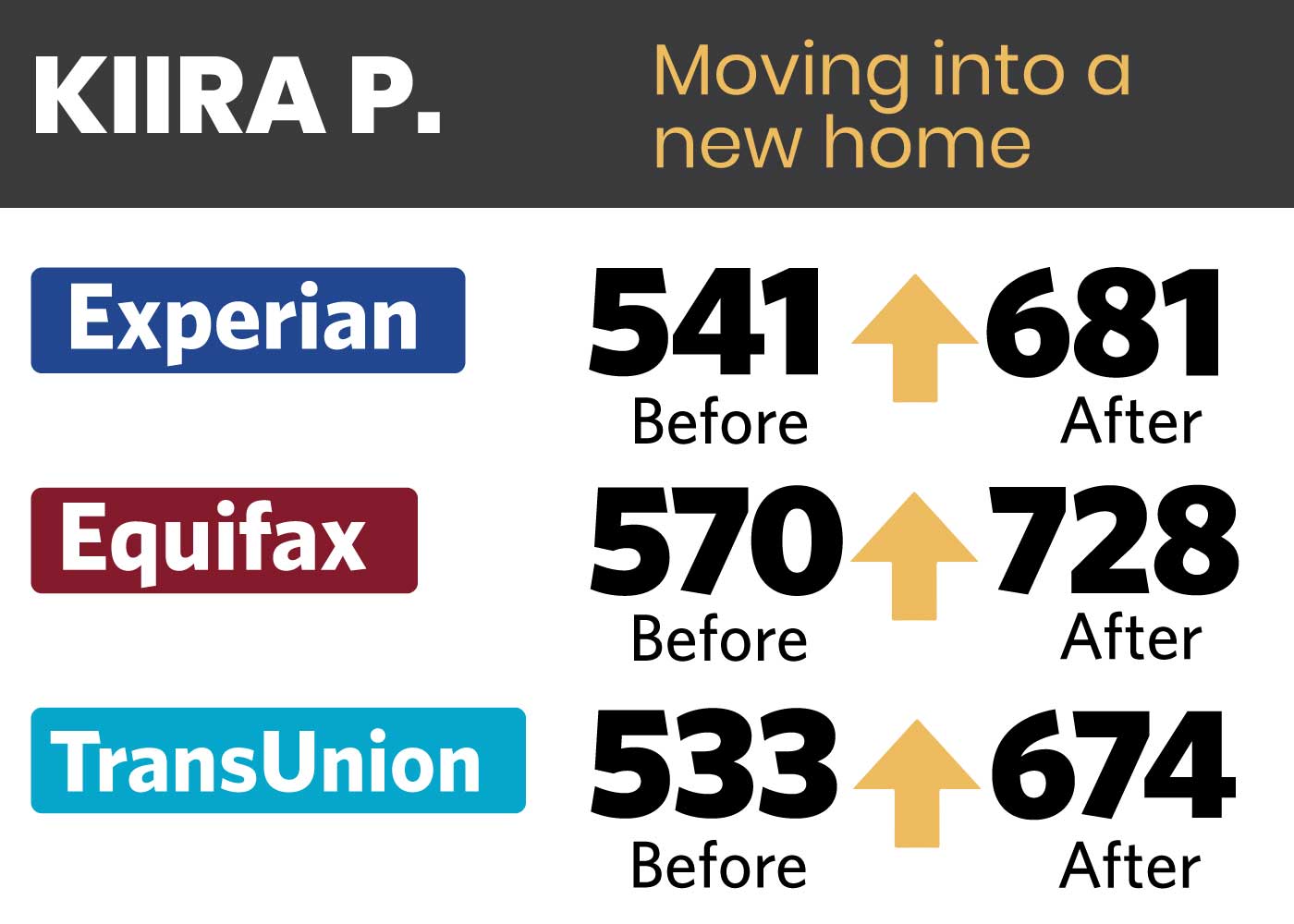
These are real results from Hillsboro-area clients. Outcomes vary from person to person based on what each credit profile contains and whether the negative information is accurate, and every case is investigated individually.
Case Study: Teza G. (from Hillsboro, OR)
Timeframe: May to August 2025
Reviewed by: Senior Credit Analyst (6+ years experience)
Teza came to us with several collections and late payments weighing down her profile. We prioritized the highest-impact items to move the score early and made clear what she should and should not do during the process. After four months, the derogatory accounts we challenged were resolved, and her lender approved her mortgage.
Verified results: 7 collections deleted totaling $2,894, and 5 slow pays deleted.
Disclaimer: Results vary based on each client’s credit profile and the accuracy of the information reported. Every case is investigated individually for potential compliance issues.
Case Study: Christopher W. (from Hillsboro, OR)
Timeframe: April to August 2025
Reviewed by: Senior Credit Analyst (9+ years experience)
Christopher reached out with multiple collections, a charge-off, and numerous late payments affecting his score. We sorted which accounts were worth disputing versus better handled another way, then followed up on insufficient or generic bureau responses. Over five months, the negative items we challenged were removed, and he secured the more competitive mortgage rate he was after.
Verified results: 5 collections deleted totaling $2,311, 1 charge-off removed totaling $368, and 12 slow pays deleted.
Disclaimer: Results vary based on each client’s credit profile and the accuracy of the information reported. Every case is investigated individually for potential compliance issues.
Case Study: Eva F. (from Hillsboro, OR)
Timeframe: March to July 2025
Reviewed by: Senior Credit Analyst (5+ years experience)
Eva joined the program with collections and late payments holding back an otherwise workable profile. Our Investigative Research team audited each account for accuracy and verifiability and tracked the bureaus’ responses closely, escalating where a challenge came back verified without support. Within four months, the questionable items were removed, and she qualified for her mortgage.
Verified results: 6 collections deleted totaling $1,908, and 9 slow pays deleted.
Disclaimer: Results vary based on each client’s credit profile and the accuracy of the information reported. Every case is investigated individually for potential compliance issues.
If You Are Sued Over a Debt in Hillsboro
Oregon handles this differently from some states, so it is worth knowing. Unlike states that shield wages entirely, Oregon does allow wage garnishment once a creditor wins a judgment on consumer debt, generally up to 25 percent of your disposable earnings. Oregon’s Family Financial Protection Act has been raising the amount of pay shielded from garnishment, and as of mid-2026 roughly the first $400 of weekly disposable earnings is protected, with that figure scheduled to keep climbing. The Oregon credit repair page covers the state framework in more detail.
If a collector sues, the case is filed in the Washington County Circuit Court, whose main courthouse sits on NE 2nd Avenue in downtown Hillsboro. Claims of $10,000 or less run through the court’s small claims process; anything larger goes on the regular civil docket.
What to actually do
Responding before the deadline is what keeps a default judgment off your record, and it is a legal step rather than anything a credit-repair firm does. In an Oregon small claims case you must respond by the deadline printed on the papers you are served, and doing so requires the collector to prove the debt, which resold portfolios often cannot. If the debt is old, its age matters: Oregon’s statute of limitations on most consumer debt, including credit cards, runs six years from your last payment under ORS 12.080, and making a payment can restart that clock, so verify the timeline with a licensed attorney before paying anything. OregonLawHelp.org has free forms and guidance.
Rebuilding Credit in Hillsboro
A score climbs on two tracks at once. Removing inaccurate negatives lifts one side, while steady on-time payments on an open account build the positive history that lifts the other, so the smartest approach keeps both moving together.
Which track matters most depends on the buyer. For a laid-off tech worker rebuilding after a rough stretch, the priority is often getting utilization back down and disputing any errors the hard months left behind. For a first-generation buyer with a thin file, it is adding and aging the right accounts. Either way, keeping card balances low relative to their limits helps quickly, since scoring reads the statement balance rather than what you pay afterward.
How WJA Repairs Your Credit
The common product in this industry is a monthly dispute letter. An audit is a different exercise, comparing how each account reports across Equifax, Experian, and TransUnion and challenging what is inaccurate, incomplete, or unverifiable under federal law. We push back in rounds: after the first challenges come back, we analyze what was removed and escalate on what was not.
White Jacobs is attorney-managed, and the work divides between two roles. Your credit analyst is your point of contact, reading your report and handling updates, while the Investigative Research team carries out the dispute rounds and holds the detail on each escalation. Our process page walks through it.

The Effect of Audits vs Disputes
Most repair companies send non-specific dispute letters to creditors and bureaus and hope for the best, which is slow and often ineffective. An audit takes a more specific approach: rather than asking a creditor to cooperate, it requires them to demonstrate they can substantiate what they report.
Often the reason for a poor score is a mistake on the furnisher’s side. When an item cannot be properly verified under the FCRA, it should come off the report. That is the practical difference between an audit and a generic dispute.
Collections, Charge-Offs, and Late Payments
These are not one problem. A collection comes down to accuracy and verifiability, a charge-off to how the three bureaus disagree about it, and a late payment to whether the reported date and status hold up.
Each has its own page with the depth: collections, charge-offs, and late payments. On an older collection, check its status before paying, since the CFPB explains that aged debt is treated differently from a current balance.
What to Realistically Expect
Most clients see movement in 45 to 60 days, and the program runs six months at most. Items come off in rounds, and accurate negatives can legally report for up to seven years.
That pace is set by federal rules, not by us. A bureau gets 30 days to investigate a dispute under CFPB rules, with a short extension when new records come in. Our process page covers each round.
Is Credit Repair Legal in Hillsboro?
Yes. You have a federal right to dispute inaccurate, incomplete, or unverifiable information, and hiring help is equally legal. Five statutes carry the weight, the FCRA, FCBA, FDCPA, CROA, and FACTA, and none of them require removal of accurate, current information.
For what each law actually does, see our rights guide on the five federal credit laws. For Oregon-specific detail on garnishment and the statute of limitations, see the Oregon credit repair page.
Doing It Yourself, and When to Get Help
You can pull all three reports free at AnnualCreditReport.com, dispute one item at a time with documentation, and follow up after 30 to 45 days. Plenty of clear errors are a genuine do-it-yourself job, and help mostly earns its keep on volume, repeated verifications, or a hard closing deadline.
The full seven-step walkthrough is on our rights guide, how to dispute an error yourself.
How to Choose a Credit Repair Company
Screen anyone who touches your credit the way you would a lender. Insist on a written agreement, know that CROA bars charging you before the work is done, and treat a guaranteed score or any CPN or EIN “new identity” pitch as an instant deal-breaker, because that last one is outright fraud.
The full vetting guide and red-flag list are on our rights guide, what CROA entitles you to. Documented outcomes are on our reviews and results page.
Free and Nonprofit Credit Help in Hillsboro
Paid help is not the only option. Nonprofit HUD-approved agencies serving Washington County run low-cost credit and homebuyer counseling, with a report review built into the process, and several offer bilingual services, which matters in a city as diverse as Hillsboro. Legal Aid Services of Oregon also keeps an office in Hillsboro for consumer matters.
The federal housing counselor directory at the CFPB will point you to vetted, HUD-approved offices in and around Hillsboro. Checking there costs nothing and is worth doing before any paid company gets your money.
Who Hillsboro Credit Repair Is For, and Who It Is Not
It fits some situations and not others.
It is likely worth it if:
- You are buying a home in Hillsboro and a low score or reporting error is blocking an FHA or conventional approval
- A layoff or rough stretch left errors on your file, such as a misreported late payment, alongside the balances you are paying down
- Old collections or charge-offs are on your report and you believe they are inaccurate or unverifiable
- You disputed something, it came back verified, and you have documentation that contradicts it
It is probably not your answer if:
- Your file is simply new or thin, which building credit, not disputing, solves
- The negative marks are accurate, current, and correctly reported
- You are already being sued over a debt, where a timely court response outweighs any dispute
- A company guaranteed you a specific number, which is reason enough to move on
White Jacobs operates within the Credit Repair Organizations Act (CROA), the Fair Credit Reporting Act (FCRA), and the Fair Debt Collection Practices Act (FDCPA), follows CFPB and FTC guidance, and protects client information under Gramm-Leach-Bliley Act (GLBA) standards. Our supervising attorney is Caprice Garcia of The Garcia Law Firm, who oversees the correspondence and legal framework behind our process.
Book a Free Consultation
Not sure whether your issue is something to dispute or a file to build up? That is exactly what the review sorts out, at no charge and with no obligation either way.
We work with Hillsboro clients remotely from our office in Plano, so there is no branch to drive to. We’re easy to talk to. Get in touch whenever you are ready.
Key Takeaways
- Hillsboro is the industrial heart of Oregon’s Silicon Forest, anchored by Intel’s largest US campuses and one of the most diverse cities in the state.
- The median home runs about $505,000 to $520,000 with a mixed housing stock, and roughly half of households rent.
- Semiconductor paychecks are strong but cyclical, and the industry’s 2025 layoffs left utilization stress and, sometimes, reporting errors worth challenging.
- Many first-generation buyers work from thin files, which building credit, not disputing, is the way to fix.
- Unlike some states, Oregon allows wage garnishment after a judgment, generally up to 25 percent of disposable earnings, and small claims run through the Washington County Circuit Court in Hillsboro up to $10,000.
- You can dispute inaccurate items yourself at no cost, and no one can remove accurate, current information.
Frequently Asked Questions (FAQ) for Credit Repair in Hillsboro, OR
I lost my job in Hillsboro’s tech industry – how can I protect my credit during unemployment?
Losing a well-paid tech job in Hillsboro can be a big financial shock. To safeguard your credit while you’re between jobs, prioritize communication and budgeting. First, revisit your budget immediately: cut non-essentials (subscriptions, dining out, etc.) so you can stretch any severance, savings, or unemployment benefits for necessary bills.
Next, contact your creditors before you start missing payments. Many credit card companies and lenders have hardship programs – for instance, they might allow a few months of interest-only payments or a short payment pause. Explain that you’ve had a job loss; given Hillsboro’s prominent tech employment, creditors know layoffs happen and may work with you.
If you have a mortgage, look into forbearance options or loan modification programs that some lenders offer during unemployment.
Keep paying at least something toward each debt if you can – even a partial payment is better than nothing and might prevent a delinquency on your credit report.
Use community resources too: Hillsboro and Washington County may have career centers or tech networking groups to help you land a new job faster, minimizing the time your finances are under strain.
Takeaway: The goal during unemployment is to avoid defaulting on obligations. By slashing expenses, reaching out for temporary relief from lenders, and using available support until you’re re-employed, you can protect your credit score from major damage while you get back on your feet.
I’m new to the U.S. and live in Hillsboro, OR – how do I build my credit from scratch?
Welcome! Building credit as a newcomer is an important step for financial life in the U.S. Since you might not have a credit history here yet, consider starting with a secured credit card. Many banks and credit unions in Oregon offer secured cards – you’d put down a deposit (say $300-$500) and get a credit line in that amount. Use the card for one or two small purchases a month (like groceries or a utility bill) and pay it off in full by the due date. This will establish a record of on-time payments.
Another option: if you have family or close friends here, ask if they could add you as an authorized user on one of their well-managed credit cards. You don’t even need to use the card; just being on the account can help you inherit some positive credit history.
There are also credit-builder loans offered by some institutions (you basically loan money to yourself in a savings account, and payments get reported to the credit bureaus).
In Hillsboro’s tech-driven community, some employers or international organizations also provide guidance for newcomers on finances – it’s worth checking if any such resources are available through your workplace or local community centers. Within 6-12 months of these strategies, you should start seeing a credit score. Just remember: only borrow what you can repay, because missed payments will hurt a thin credit profile quickly.
Takeaway: Building U.S. credit takes a bit of time, but using tools like secured cards, authorized user status, or credit-builder loans will jump-start the process. Pay everything on schedule, and you’ll establish a solid credit foundation in your new home.
What are my options if I’m drowning in debt in Hillsboro and considering bankruptcy?
If debt has become unmanageable, it’s wise to explore all options – and bankruptcy is one of them, albeit a last resort. Before you file in Oregon, consider speaking with a credit counseling service (required before bankruptcy anyway). They might help set up a debt management plan or negotiate settlements as an alternative. If your debts are primarily credit cards and unsecured loans, sometimes a negotiated reduction or a structured payoff plan can stave off bankruptcy.
However, if you’ve lost income or the debts are too high, Chapter 7 or Chapter 13 bankruptcy might indeed be the relief you need. Oregon’s bankruptcy process will allow you to keep certain exempt assets (your car up to a value, personal items, etc.), but you may have to surrender luxury assets or a portion of non-exempt property in Chapter 7. In Chapter 13, you’d pay back some of your debt over 3-5 years based on a court-approved plan.
Given Hillsboro’s relatively strong economy, think about whether your situation is temporary (could you rebound with a new job or better budgeting?) or long-term. If it’s long-term and creditors are hounding you, bankruptcy can stop collection efforts and give you a fresh start. Always consult a local bankruptcy attorney who can detail the pros, cons, and what life after bankruptcy would look like for you.
Takeaway: Being “drowning in debt” means it’s time for serious measures. Exhaust other remedies first, but know that bankruptcy exists to help honest people overwhelmed by debt. Get professional advice in Hillsboro to choose the right path, and whichever way you go, commit to better financial habits moving forward to avoid ending up in the same situation.
Can I afford to buy a home in Hillsboro with only fair credit and high home prices?
Hillsboro’s home prices are quite high (the median home value is around $480,000), which can be daunting if you have just a “fair” credit score. You might still qualify for a mortgage – for example, FHA loans often accept credit scores in the mid-500s to 600s – but with fair credit, you’ll likely face a higher interest rate. Over a 30-year loan on a pricey home, even a slightly higher rate can mean paying tens of thousands more in interest. So, it’s usually worthwhile to improve your credit before buying in Hillsboro if you can.
That said, you can take some steps to make home-buying feasible: save a larger down payment to offset risk (if you can put down 10-20%, lenders may be more lenient on credit). Shop around with local lenders and credit unions; sometimes they offer programs for first-time buyers that consider factors beyond just your credit score. Also, get pre-approved to see how much you’d qualify for – this will give you a reality check on what you can “afford” given your credit. If the numbers don’t work out, consider delaying purchase by a year while you boost your score into the good range (above 700).
Remember, Hillsboro’s tech industry means a lot of residents have strong credit and incomes, so you might be competing with well-qualified buyers. Strengthening your credit will not only help you get a loan, but also put you in a better position to bid on a house.
Takeaway: With fair credit, buying in Hillsboro is possible but could be more expensive. Aim to improve your credit profile and increase your down payment – this combo will improve your chances of securing a mortgage and make that mortgage more affordable despite the city’s high home prices.