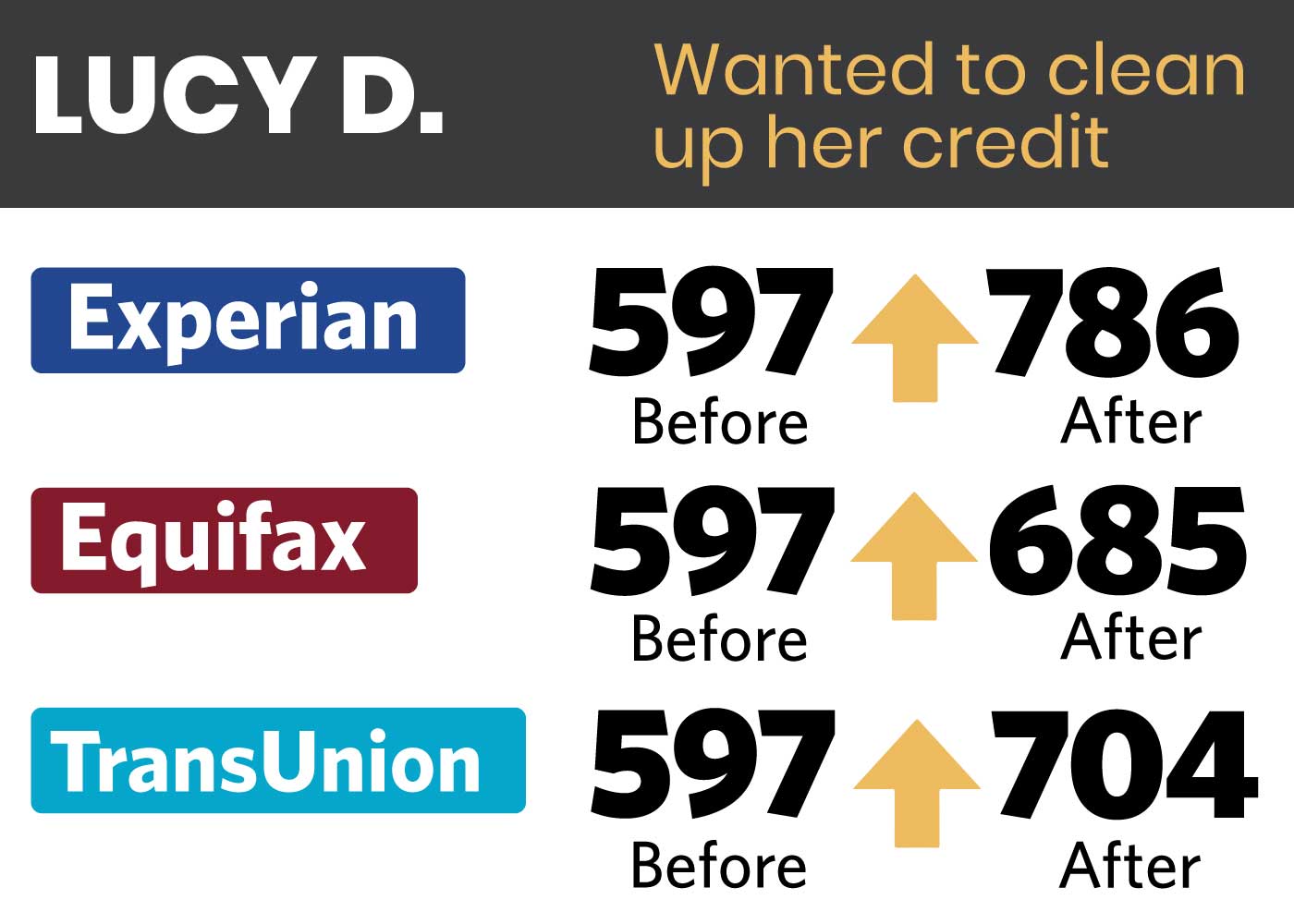
With thousands of happy clients on Google, Facebook, TrustPilot, and more, you will not find a stronger reputation. See how we are different!
We don't just send out dispute letters like other companies. We customize our approach with personalized audits for maximum results.
You'll work with the same credit expert for the duration of the program. They will update you, coach you, and answer your questions.
Our attorney-managed, 4-round process is personalized for each client by an Investigative Research team, all at a reasonable cost.
Schedule your Free Consultation & Analysis
We protect your privacy. Your information is not shared with third parties.
By submitting this form, you agree to receive texts from White Jacobs and Associates. Ongoing communication before, during, and after the program will be initiated by our credit analysts and their assistants. Msg & data rates may apply. Msg frequency varies. Unsubscribe at any time by replying STOP or clicking the unsubscribe link (where available). Privacy Policy

How We're Different
See what our customers are sayingWe can help with...
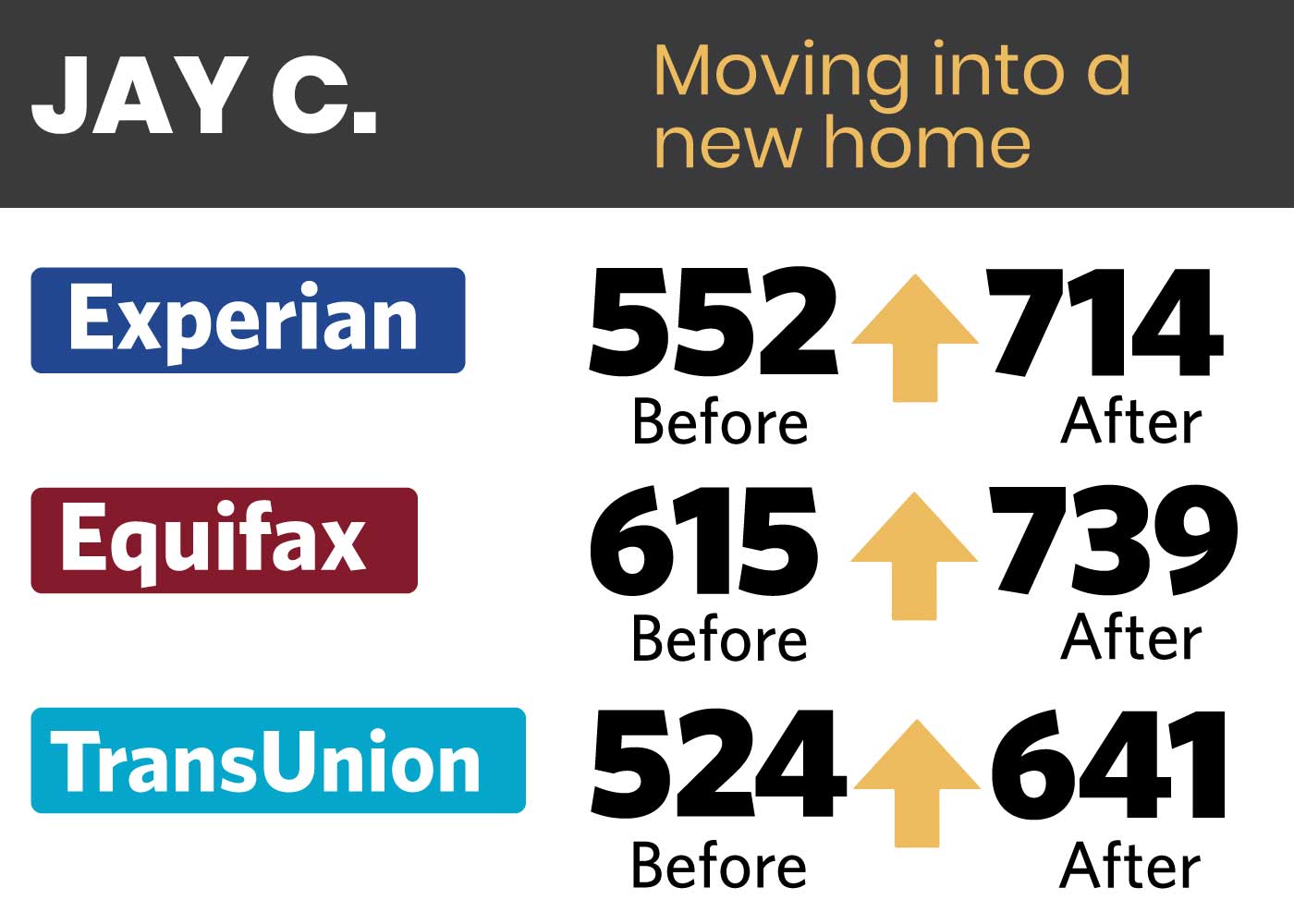
Glendale is one of Arizona’s cities that has seen home appreciation go up recently, so it’s a good time for budding homeowners. It would be a shame if you’d have to sit out on this chance just because of recent economic turmoil. If you’re looking for credit repair in Glendale that will give you an edge in the eyes of lenders, look no further than White, Jacobs and Associates.
Our credit specialists use all tools at their disposal to hike up your credit score considerably, which gives you back your buying power and prepares you for a brighter future ahead.

A conventional credit repair company goes by an outdated playbook. And that playbook is awfully short – such companies send out automated dispute letters to creditors (something you could do yourself for free), and that’s where they stop, as well.
WJA is the solution you have been looking for. We expand the traditional method effectively – our tactics are alternative and aggressive. When you speak with one of our analysts, they’ll explain in detail our four-round process. Our way of work is devised to hike up your credit score as much as possible in a maximum of six months. At WJA, we know that you are in a hurry to start your life. That’s precisely why we do everything in our might to help you in that mission.
For starters, your credit score is a number that tells creditors and lenders how trustworthy you seem and if you’re able to pay back a loan or credit. It shows up in your credit reports, and it’s a window into your financial history.
The FICO model and VantageScore model are most commonly used to calculate your credit score. Both range from 300 to 850. If your score is above 660, you have a fair score.
The conundrum is that creditors don’t want you to have too high of a score because that affects the interest rate they can give you. So they want to be sure that you can pay them back and that they can charge you a higher interest rate. That is why you need WJA – you need to improve your credit score before taking out a loan.
February-July 2025
Senior Credit Analyst (8+ years experience)
“Ramona reached out to us with a substantial number of collections and charge-offs dragging down her credit score. We sent audits directly to the creditors reporting the derogatory accounts to ensure proper verification. Our Investigative Research team identified inconsistencies between Equifax, Experian, and TransUnion that needed to be addressed. Over the course of six months, these negative items were successfully disputed and eliminated from her reports. This allowed Ramona to qualify for a significantly better mortgage rate.”
– 32 Collections Deleted, Totaling $17,374
– 3 Charge-Offs Removed
– 2 Slow Pays Deleted
The removal of these problematic negative accounts created a dramatic transformation in Ramona’s credit standing. With a cleaner credit profile, she secured the competitive mortgage rate she needed to make homeownership more affordable for her family.
Disclaimer: Results vary based on each client’s credit profile and the accuracy of the information reported. Every case is investigated individually for potential compliance issues.
June-October 2025
Senior Credit Analyst (7+ years experience)
“Patrick arrived with multiple collections impacting his ability to move forward with his mortgage plans. We reviewed account data for factual, procedural, and legal accuracy under FCRA to build a solid challenge strategy. We also helped Patrick understand how to maintain results after deletions to protect his improved credit standing. Within five months, those derogatory accounts were successfully removed. His mortgage application received approval, allowing him to proceed toward homeownership.”
– 18 Collections Deleted, Totaling $2,090
Eliminating these unverified negative accounts gave Patrick’s credit profile the boost it required. His lender approved his mortgage application, putting him on track to achieve his homeownership goals.
Disclaimer: Results vary based on each client’s credit profile and the accuracy of the information reported. Every case is investigated individually for potential compliance issues.
January-May 2025
Senior Credit Analyst (4+ years experience)
“Andrea contacted our team dealing with numerous collections, charge-offs, and late payments on her credit history. We did a thorough analysis of Andrea’s credit report to put together a strategic plan of action tailored to her situation. We continuously monitored the client’s reports for status changes, updates, and deletions throughout the process. After five months of work, those negative marks were successfully removed from all three bureaus. Andrea achieved her goal of getting her mortgage application approved.”
– 19 Collections Deleted
– 9 Charge-Offs Removed
– 2 Slow Pays Deleted
The elimination of these damaging negative items resulted in substantial improvement to Andrea’s creditworthiness. These changes made it possible for her mortgage application to be approved, moving her closer to owning her own home.
Disclaimer: Results vary based on each client’s credit profile and the accuracy of the information reported. Every case is investigated individually for potential compliance issues.
Your credit balance consists of both positive and negative entries. You get positive points when you meet deadlines for your payments and when you manage revolving credit properly. If you have a good credit utilization ratio (the ratio between your credit card limit and debit card), you are seen as financially responsible.
Negative items on your report bring your credit score down. These negative items can be collections, foreclosures, student loans, late payments, medical collections, bankruptcies – you name it. Per Urban Institute data, as of August 2023, 22% of Maricopa county, which encompasses Glendale, consumers had a share of debt in collections. Sometimes you are at fault; sometimes, you are just a victim of fate who had their loved one pass away or hit hard economic times. Either way that shouldn’t render you financially irresponsible forever. Notably, in 2023, about 13% of households in the Phoenix metro area, including Glendale, were severely cost-burdened, spending over 50% of income on housing (rent or mortgage) per a Maricopa Association of Governments analysis. This level of housing expense can limit consumers’ ability to service other debts on time.
It’s also important to be aware that even credit bureaus and creditors make errors and wrongfully add negative entries to your credit report.
At WJA, we know that each negative entry should be looked at and analyzed in detail because many of them can be removed, which improves your credit score.
We implement a unique process to our credit repair approach in Glendale. We don’t just go by the books – we assign you a personal credit analyst and use the experience of our investigative research team.
We review your credit balance thoroughly and begin contacting collectors and credit bureaus. That is done to get feedback from them and understand why you have those negative entries listed in your credit score.
Next, it’s time for the personalized audit created for maximum results. The goal of the audit is to review negative items that stay on your report. That is where we truly begin to stand out from other credit repair companies – we are adamant about getting proof from creditors that those negative entries are lawfully listed on your credit report.
Creditors and collection agencies are rarely challenged this way. So they can get away with many things, such as unlawfully bringing your credit score down. We do not stand for such behavior at WJA, and that’s why we challenge creditors and agencies if needed. That’s when your credit score starts going up – questionable negative entries start disappearing from your balance.
While we work on removing unfavorable entries from your balance, we educate you on credit card utilization and other ways you can hike up your credit score. That way, our service becomes an effective long-term method that will further equip you. We want you to seem like a favorable borrower in the eyes of possible future lenders.
As we have said, expect the whole process to be over in six months. But results starting coming in just 2-3 months – that’s because creditors begin contacting you, nervous because someone challenged their questionable method of operation. Tell them to send everything in the mail. We want to review that for the next round.
On average, your credit score will begin improving in 45-60 days. However, the completion of all 4 rounds does not come to and end until the 6 month mark.
Don’t let poor credit stand between you and your dreams. Contact us today and book a free consultation. Our team will be upfront – if you’re not a good fit for credit repair, we let you know right away. Otherwise, prepare to see your credit score skyrocket. Thanks to our credit repair in Glendale, we have the fuel that will power your future.>
Operating as a certified and bonded credit services organization, White, Jacobs & Associates functions in full conformity with the Credit Repair Organizations Act (CROA), the Fair Credit Reporting Act (FCRA), the Fair Debt Collection Practices Act (FDCPA), and all relevant licensing obligations. We follow industry best practices as defined by the Consumer Financial Protection Bureau (CFPB) and Federal Trade Commission (FTC), with our system designed to uphold your legal rights during every stage of our process. Clients’ confidential information is handled through stringent security protocols that meet Gramm-Leach-Bliley Act (GLBA) standards, and we employ legal supervision to guarantee that all activities are conducted ethically and in compliance with applicable laws.
Having a credit score in the 500s can feel limiting, but there’s plenty of hope to rebuild.
Step 1: Get a copy of your credit report and verify everything on it. If you spot errors (like accounts that aren’t yours or old debts that should’ve aged off), dispute them to potentially gain some quick points.
Step 2: Start adding positive records. A popular approach is to open a secured credit card – in Glendale, many banks or credit unions offer these to people with poor credit; you’ll put down a deposit (say $300) and get a card with a similar limit. Use it for a small purchase or two each month (like gas or groceries) and pay it off immediately. This shows future lenders you can handle credit responsibly.
Step 3: Tackle any outstanding negatives. If you have unpaid collections or past-due accounts, consider contacting those creditors to set up payment plans or settlements. Paying an old collection won’t instantly boost your score, but it looks better manually resolved and stops further damage.
Additionally, live cash-first for a while – avoid new debt and make all current payments on time. Glendale has community financial workshops that can teach strategies on budgeting and credit repair; consider joining one for support.
Takeaway: Rebuilding from the 500s is a gradual process of cleaning up errors, establishing new positive trade lines, and resolving old debts. With patience and good habits, you can move from bad to fair, and eventually to good credit.
Yes, several. Residents of Glendale can access both national and local programs for credit and debt help. For instance, nonprofit credit counseling agencies like Money Management International serve Arizona and can work with you on a debt management plan if you have a lot of credit card debt. They negotiate with creditors to reduce interest rates and combine your bills into one payment.
Locally, the Glendale Community Action Program (CAP) offers resources or referrals for financial counseling, especially for those facing issues like eviction or utility shut-offs (which often go hand-in-hand with credit problems). Maricopa County libraries and community centers sometimes host free credit workshops and “financial fitness” classes. If you need one-on-one help, look for HUD-approved housing counseling agencies in the Phoenix area – they often provide general credit counseling too.
Also, don’t overlook credit unions: institutions like Credit Union West or others around Glendale have programs for credit-builder loans and financial coaching for members.
Takeaway: Whether through a nonprofit counselor, city program, or credit union, Glendale residents have avenues to get professional help in managing debt and rebuilding credit. These programs can provide structure and support so you’re not tackling financial challenges all alone.
When money is tight and credit is poor, high-interest “predatory” loans can be tempting in Glendale – but it’s crucial to avoid them. Arizona cracked down on payday loans (they’re no longer legally offered here), yet other predatory products like auto title loans and high-cost installment loans are still around. These loans often carry exorbitant rates (sometimes 100%+ APR) and can trap you in a cycle of debt. Instead of resorting to these, consider safer alternatives: see if you can borrow a small amount from a friend or family member with a clear repayment plan. Or try a credit union – some offer “share secured” loans or small emergency loans to members at far lower rates than a title loan place.
You could also look into community resources: for example, religious organizations or nonprofits in Glendale sometimes have emergency assistance funds or can point you to grants for specific needs (like help with utility bills or rent).
If employment is the issue, Arizona @ Work or local job centers might help you find interim income quickly. Remember, taking a predatory loan might provide quick cash but often at the cost of your car (in a title loan) or even worse credit if you default.
Takeaway: In a crunch, explore every reasonable alternative before a high-interest loan. Short-term relief from a predatory lender can lead to long-term pain. Better options include credit union loans, borrowing from your network, or seeking emergency aid – these help you get through a rough patch without destroying your financial future.
Managing a heavy debt load with a limited income is a serious challenge, but a clear strategy will help. Start by listing out all debts (credit cards, loans, etc.), along with their interest rates and minimum payments. Prioritize necessities in your budget: rent, food, utilities, and transportation need to be covered before unsecured debts. For the debts themselves, if you can’t pay them all as agreed, consider calling your creditors – explain your situation and ask if they have hardship plans. Credit card companies might lower your rate or accept smaller payments for a few months. Also, look into a debt management program via a nonprofit, which consolidates your payments and might reduce interest rates, making it easier to handle on limited income.
On the flip side of the equation, try to boost your income if possible: even a part-time weekend job in Glendale or selling crafts/skills online can create a bit more cash to put towards debt. When money is this tight, every extra dollar helps prevent missed payments that would hurt your credit.
Lastly, stay engaged with your credit reports – ensure no new errors or collection accounts pop up unexpectedly.
Takeaway: The goal is to keep making at least some payment on each debt to protect your credit. By tightening your budget, communicating with creditors, and seeking assistance (or extra income), you can slowly chip away at your debts without defaulting, even on a limited income.
Schedule your Free Consultation & Analysis