
Top Rated Credit Repair
Albany, Georgia
Five star reviews
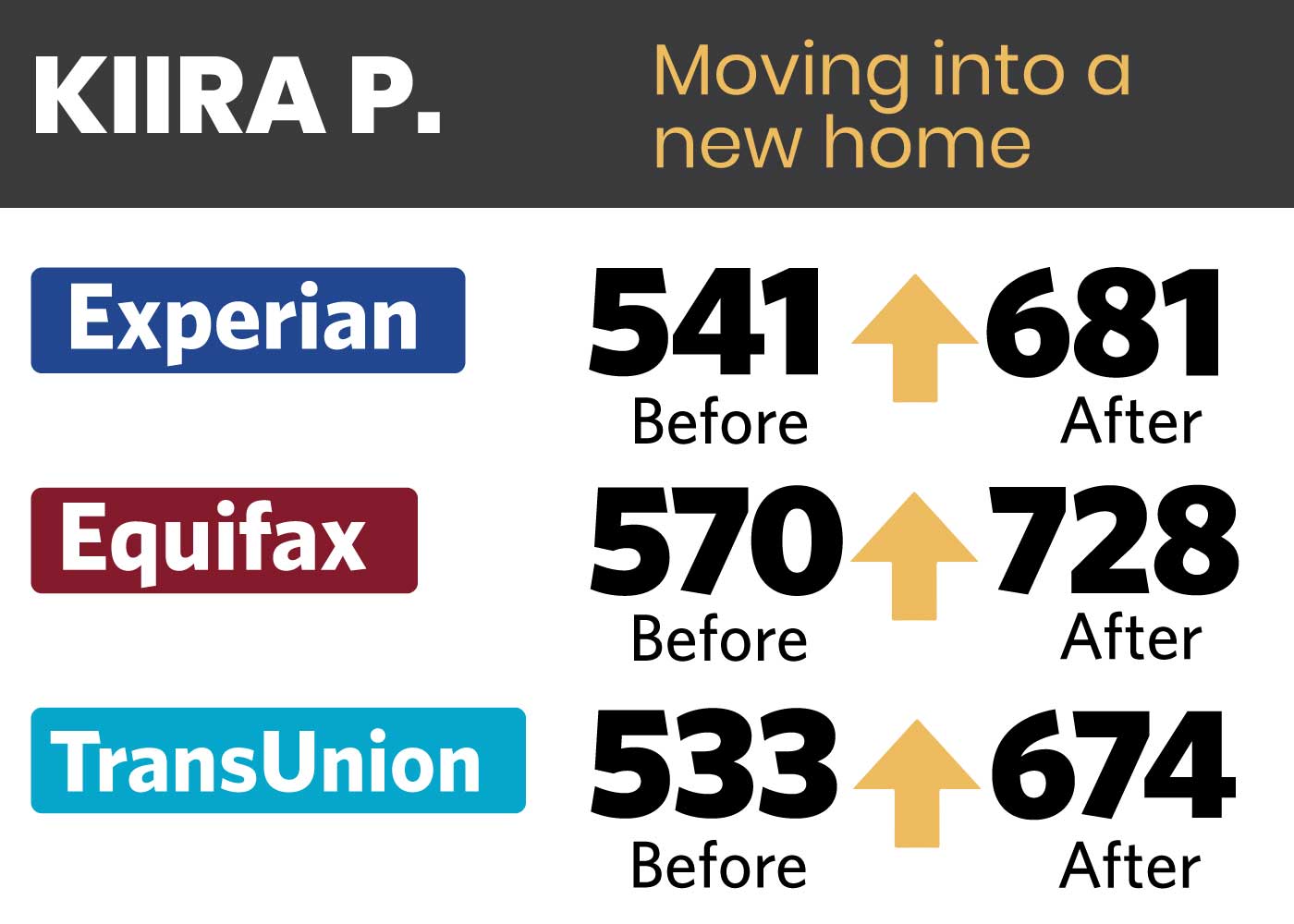
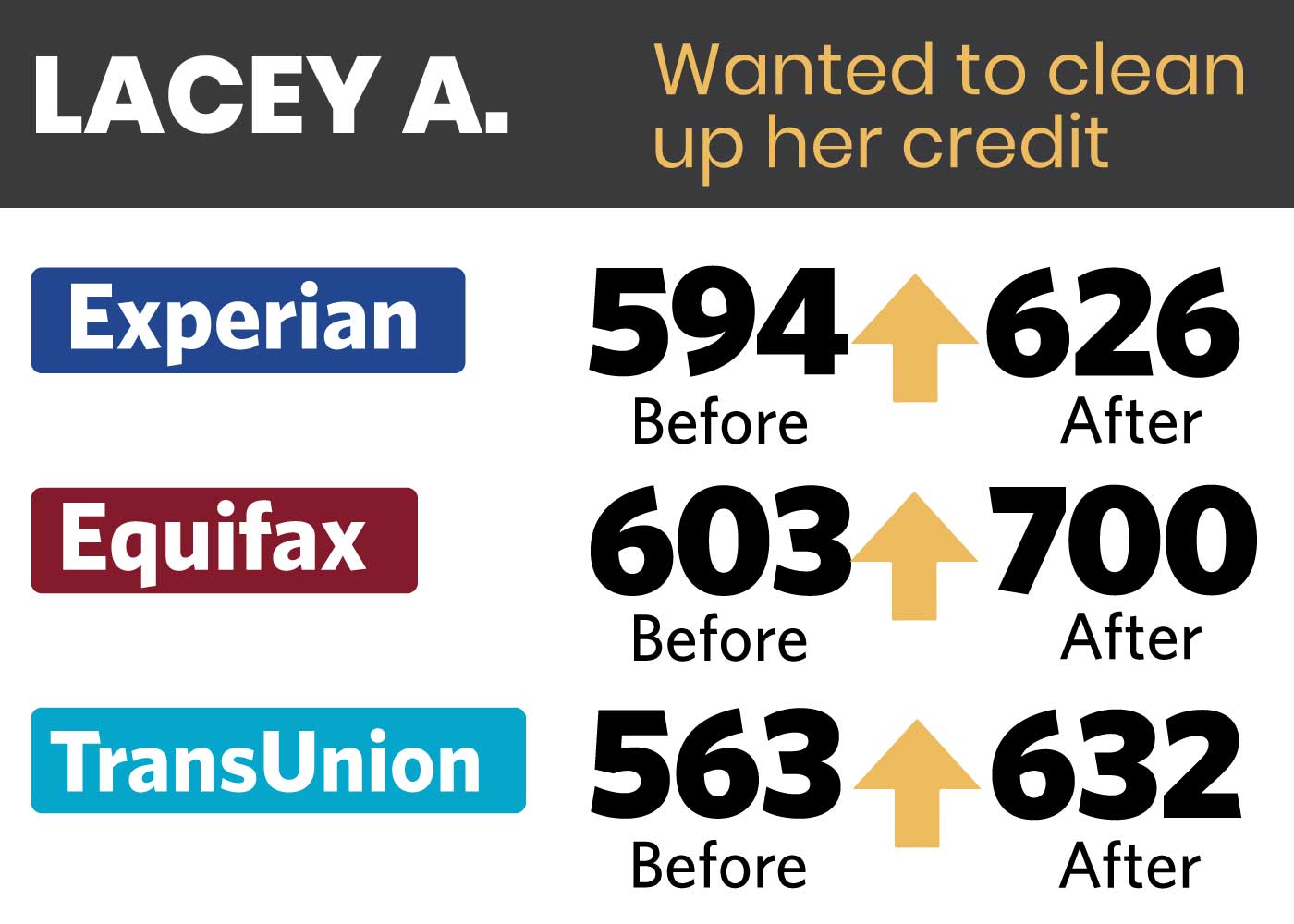
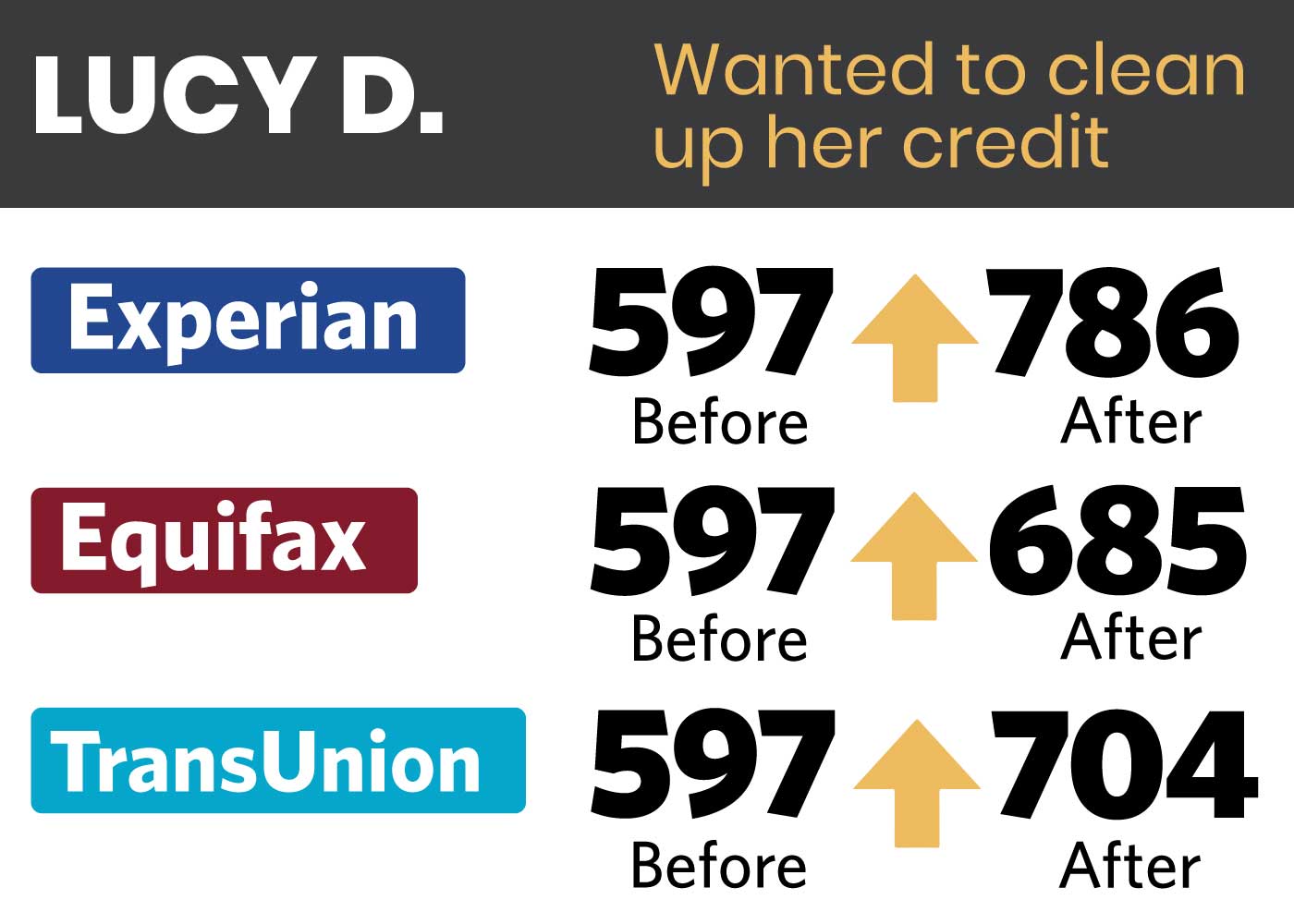
With thousands of happy clients on Google, Facebook, TrustPilot, and more, you will not find a stronger reputation. See how we are different!
Customized Plan
We don't just send out dispute letters like other companies. We customize our approach with personalized audits for maximum results.
One on One
You'll work with the same credit expert for the duration of the program. They will update you, coach you, and answer your questions.
Attorney Managed
Our attorney-managed, 4-round process is personalized for each client by an Investigative Research team, all at a reasonable cost.
Schedule your Free Consultation & Analysis
We protect your privacy. Your information is not shared with third parties.
By submitting this form, you agree to receive texts from White Jacobs and Associates. Ongoing communication before, during, and after the program will be initiated by our credit analysts and their assistants. Msg & data rates may apply. Msg frequency varies. Unsubscribe at any time by replying STOP or clicking the unsubscribe link (where available). Privacy Policy
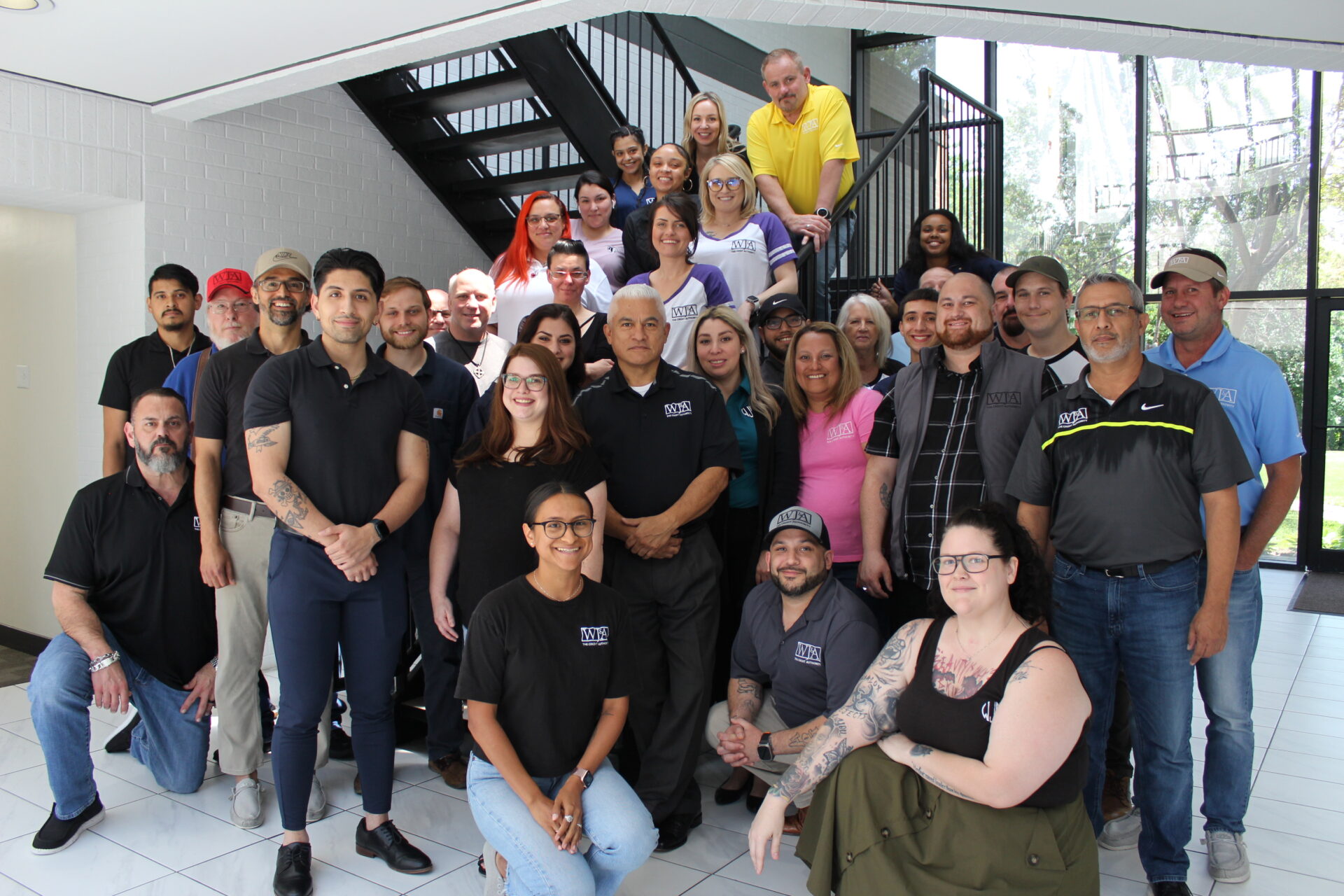
Meet the team
How We're Different
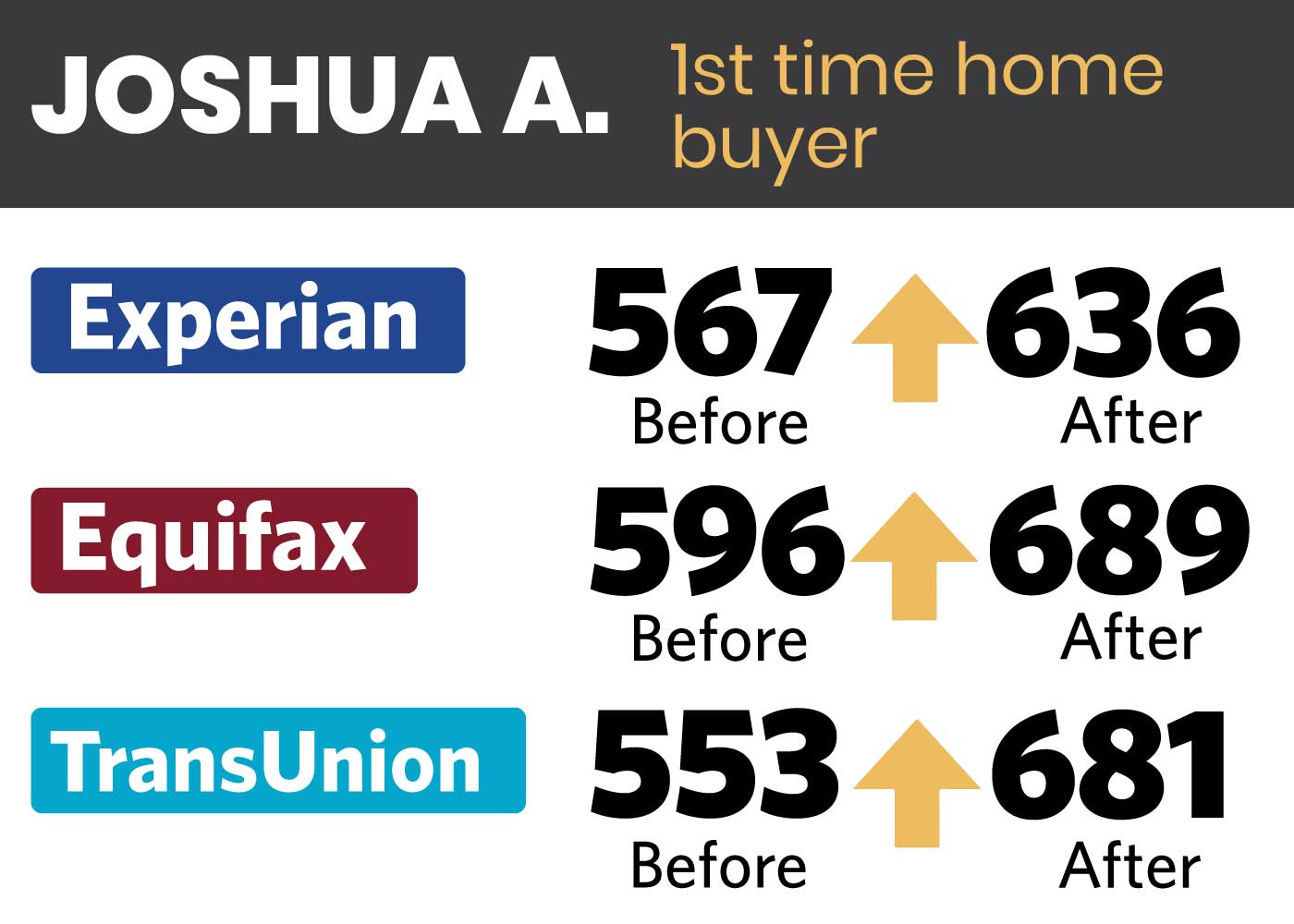
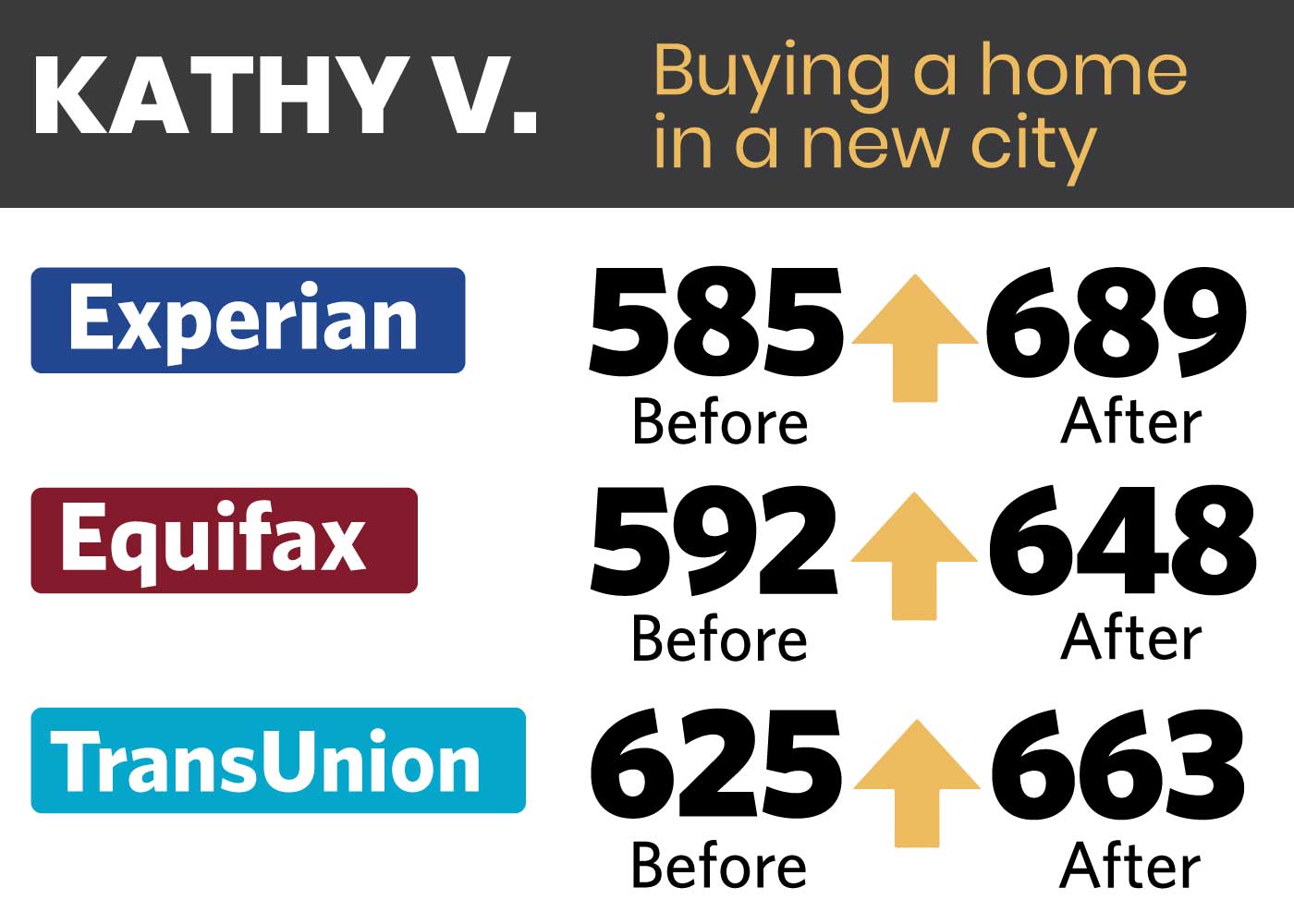
See what our customers are saying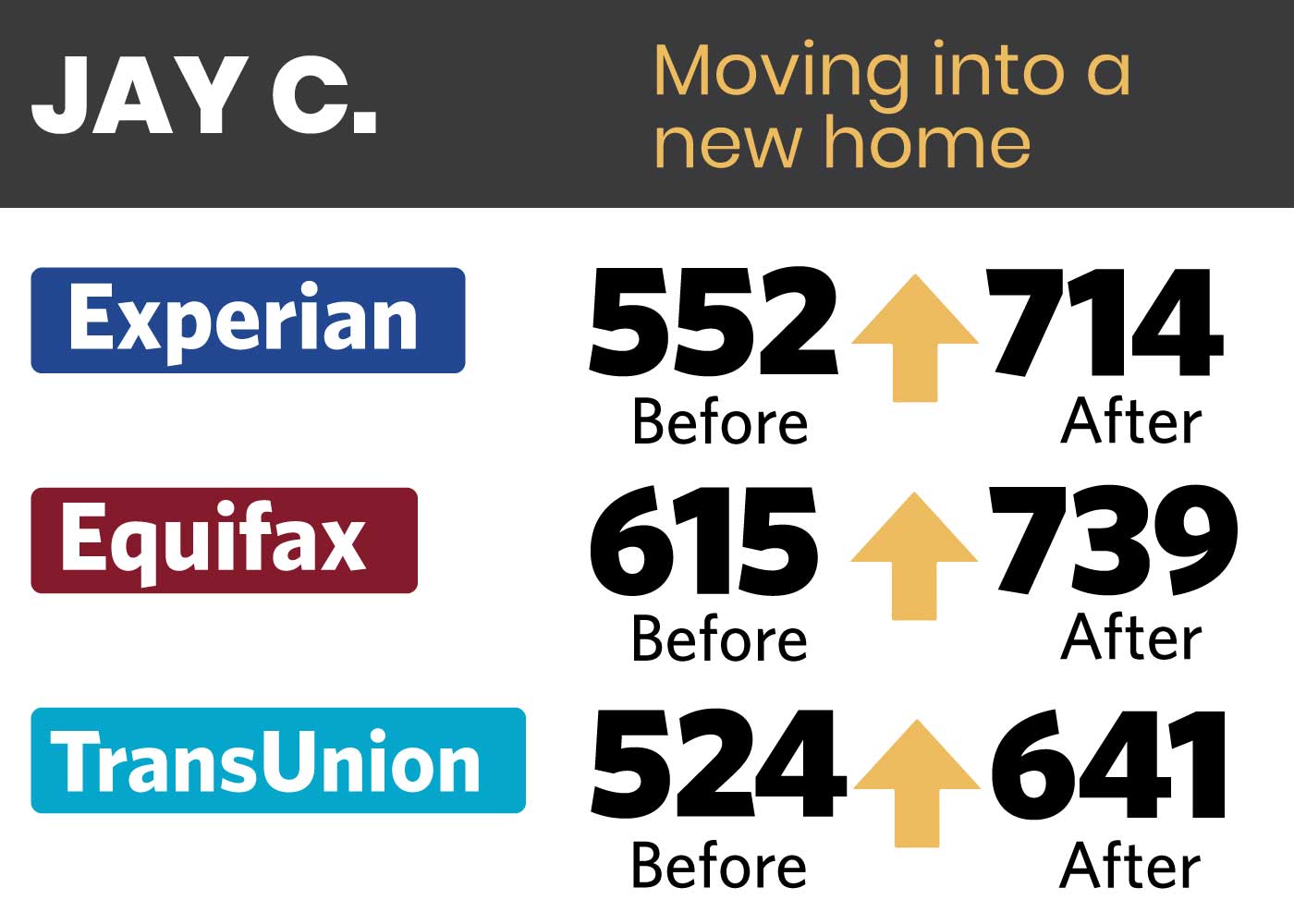
We can help with...
- Charge-Offs
- Collections
- Bankruptcy
- Late Payments
- Repossessions
- Foreclosures
- Student Loans
- Dispute Code Removal
- Credit Coaching
- Re-establishing Credit
- Debt Settlement
Albany has been around long enough to see it all and is home to resilient folk. In spite of all the hardships, the Albany community persists and keeps pushing forward. They’re constantly working for a better tomorrow and that includes absolute financial freedom. If you need help with credit repair in Albany, it’s important to work with a sound, ethical company.
The economy has been hard on everyone, and it’s something that was completely out of your hands. It’s not your fault if your credit score has taken a dive – unforeseen circumstances happen all the time. All that matters is taking active measures to improve that credit rating. And let’s face it – you need to improve poor credit scores in order to restore your buying power and avoid exorbitant interest rates.
Take the Aggressive First Steps to Better Credit Scores
Or better yet, let us take them for you. You can’t fight this uphill battle alone. You need an ally who knows the battlefield. And by that, we don’t mean those passive credit repair companies that get paid to sit around and send automated dispute letters.
At White, Jacobs and Associates, we are relentless, focused, and aggressive in our approach. We are the best credit repair in Albany, Georgia, and we’re here to take care of your credit problems.
WJA has the will and the know-how necessary to restore your financial stability. We’ll give you a hint – it involves being aggressive and persistent. When we say being aggressive, we don’t just mean boring. Sure, you can send disputes without our credit repair services. But will you get results?
Our services are a result of a combination of experience and constant innovation. We bring an entire investigative research team and a law firm that manages our process to the table. That’s what sets us apart from all other companies.
How to Fix Your Credit Score in a Professional Way
The first rule to fixing your score professionally is to not fix your credit by your lonesome. However, no one has the time or patience for amateur credit repair companies either. They just keep sending automated disputes and hope for the best.
And let us tell you this – it never turns out for the best. You end up paying for a monthly service that gets little results and restores zero buying power to your financial situation.
During a typical credit consultation, these companies will give you 15 minutes of their time before offering you to enroll in their “debt management plan.” One or two years later and thousands of dollars down the drain and your credit score is still not improving (and you’re a couple of thousand bucks short).
If the company doesn’t have the time of day for you, get up, walk out, and never return. Why? Because there is only one professional way of fixing your credit score – with a customized approach. And to customize a program takes time, patience, and commitment.
Every client’s financial situation is different and there are no one-size-fits-all solutions when it comes to credit repair. You need a company that recognizes your unique circumstances and tailors a fix that’s right for you.
Why WJA Albany Credit Repair Programs Are Like No Other
At White, Jacobs and Associates, we understand the importance of customized programs. We know how crucial it is to speak at length with our clients and figure out a unique approach that will work.
To that end, we put our entire investigative research team to work on your file. WJA doesn’t just send automated disputes that literally go nowhere. We customize an approach that we deem most appropriate for your situation. Then we launch a multi-pronged assault against all the negative or inaccurate items on your report.
We do that through 4 rounds of audits – that’s right audits, not disputes. That’s how we make your credit report much better.
What’s the Difference Between Audits and Disputes?
At WJA, we audit your creditors, demanding they provide us with the proof they have the right to report these items to the credit bureau. More often than not, they’re unable to validate that right, which means they have to remove it from your credit.
Disputing is far less effective and usually yields poor results at best. Automated disputes even less so.
But our aggressive approach is unique. You might be wondering if such aggressive methods are even legal. Everything we do is 100% legal! What matters is knowing all the ins and outs of each consumer law. And there’s more than one law that protects you against unfair reporting.
What are the Benefits of WJA Credit Repair in Albany, Georgia?
Unlike many credit companies out there, we’ll provide you with an actual time-frame when you can expect to see some results on the credit report. Other credit services benefit by stalling the entire process and prolonging it indefinitely. They’re happy as long as you pay your monthly fees. But they don’t really care about you. We do.
More importantly, we are willing to dedicate all our resources to you. We find it incredibly unprofessional when companies toss your file around from one agent to another. You never know who’ll pick up the phone when you call. It might be a completely new agent who’s never even met you and only knows the rough sketches of your file. They can do nothing for your credit report.
WJA provides a personal credit analyst to guide you the entire length of the way. You will get to have one-on-one conversations with an expert who will center the whole process on you. With us, you’ll be in good hands. We’re committed to assisting you on your path to improved credit score and lower interest rates.
The Truth About Credit Restoration
There are a lot of stories about the effectiveness of credit restoration programs. Many people think that firms like ours can’t solve your credit issues. Certainly, unprofessional, $100-a-month services do nothing to improve this perception.
The truth is that credit restoration is entirely possible with an investigative research (IR) team behind your back. The IR team dives deep into your credit report to identify opportunities to improve and increase. WJA provides that, and much more.
Our mission is to provide measurable, affordable, and timely results on your credit report. We’re not here to waste anybody’s time and we’ll be honest about the goals we can set for you. But we will set them based on a well-thought-out strategy – you can count on that.
Schedule your Free Consultation & Analysis